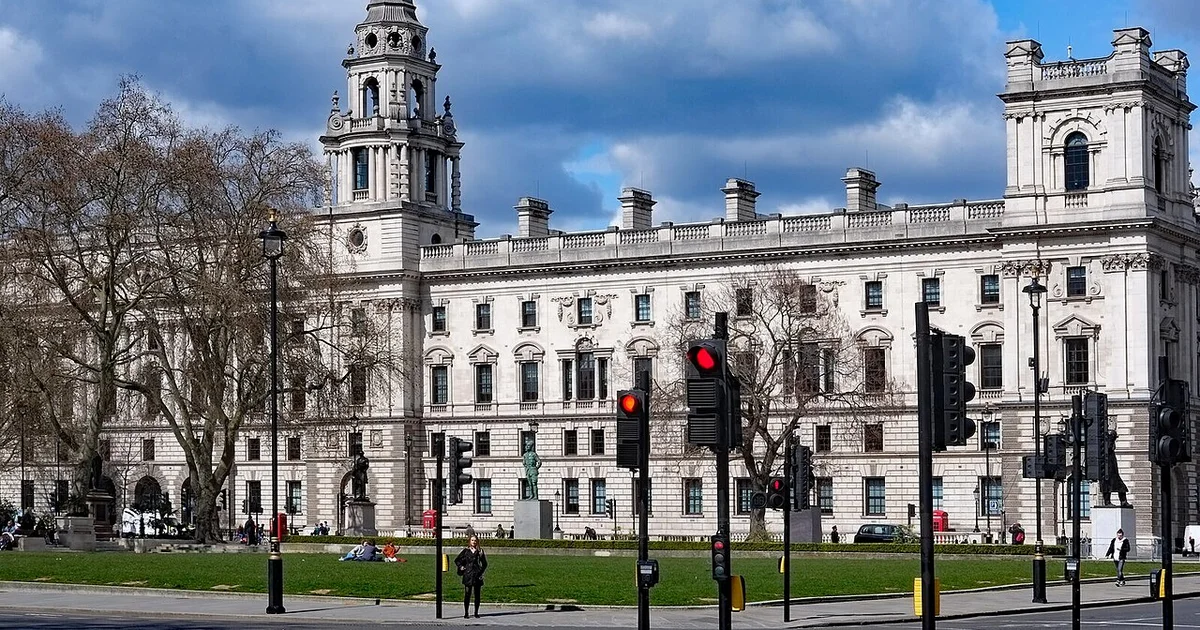
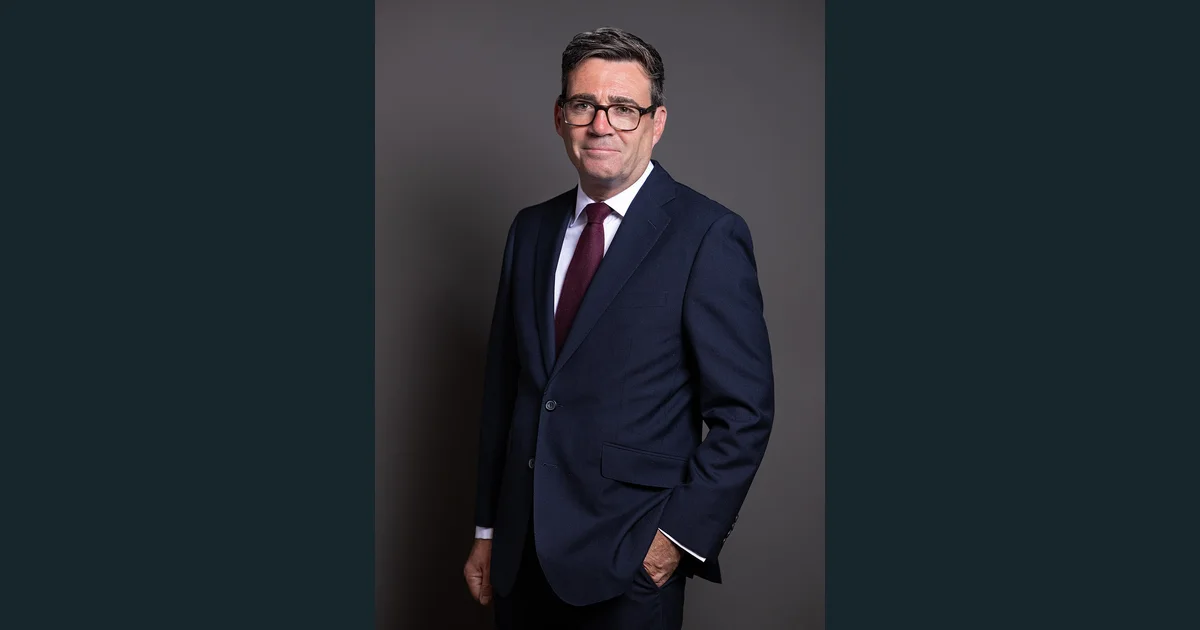
Chancellor John Healey Unveils Budget 2026 with Energy Bill Support and Bank Tax Hikes
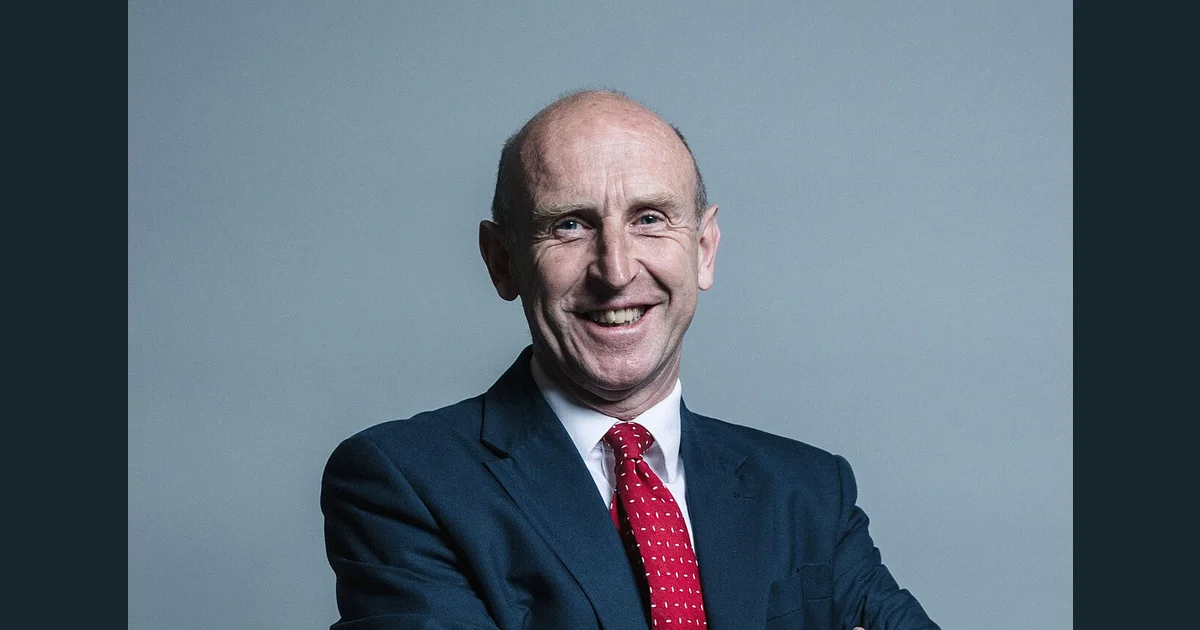
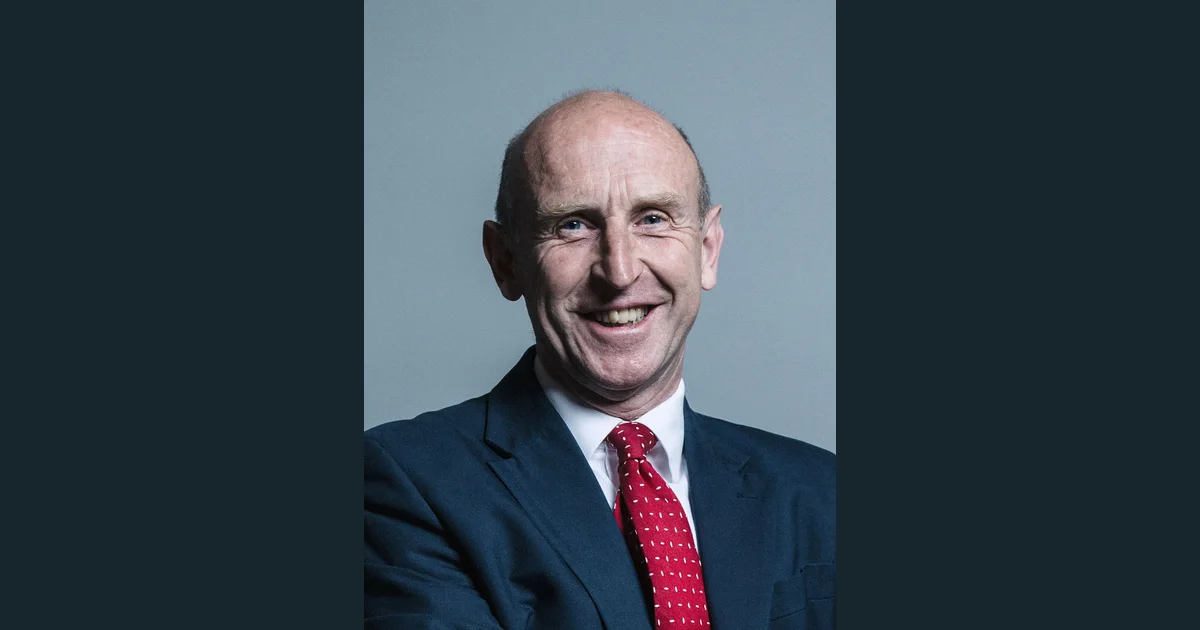
In his first Budget, Chancellor John Healey introduced a series of measures aimed at addressing the cost of living, including a one-off 100 pound energy payment for households in council tax bands A to D in England, reported by BBC Politics. The policy is funded by increasing the tax on big bank profits from 3 percent to 6 percent, effective from January 2027 to April 2028. The Chancellor also announced plans to scrap gas standing charges by 2027 and increase the minimum wage by 3.9 percent in April. The Office for Budget Responsibility has downgraded the UK growth forecast for next year to 1 percent. The budget has faced criticism from opposition leaders, including Conservative leader Kemi Badenoch, who described the plans as not bold enough and criticized the government's approach to defence spending and welfare.
Key points
- One-off 100 pound energy payment for households in council tax bands A to D in England, according to BBC Politics.
- Bank profit tax increased from 3 percent to 6 percent, effective January 2027 to April 2028.
- Minimum wage to increase by 3.9 percent in April.
- Gas standing charges to be scrapped during 2027 or as soon as possible after.
- Office for Budget Responsibility downgraded next year's growth forecast to 1 percent.
- Business rates relief threshold for high street shops in England raised to 18,000 pounds.
What happened
Chancellor John Healey delivered his first Budget in the House of Commons, outlining a package of measures intended to provide relief to households facing high energy costs, as reported by BBC Politics. The Chancellor stated his intention to offer families breathing space while navigating global economic challenges.
Key fiscal changes include a 100 pound energy payment for specific council tax bands and a tax increase on big banks. Additionally, the Chancellor announced plans to shift gas standing charges onto unit prices by 2027 and extend a temporary 5p fuel duty cut until July.
Who said what
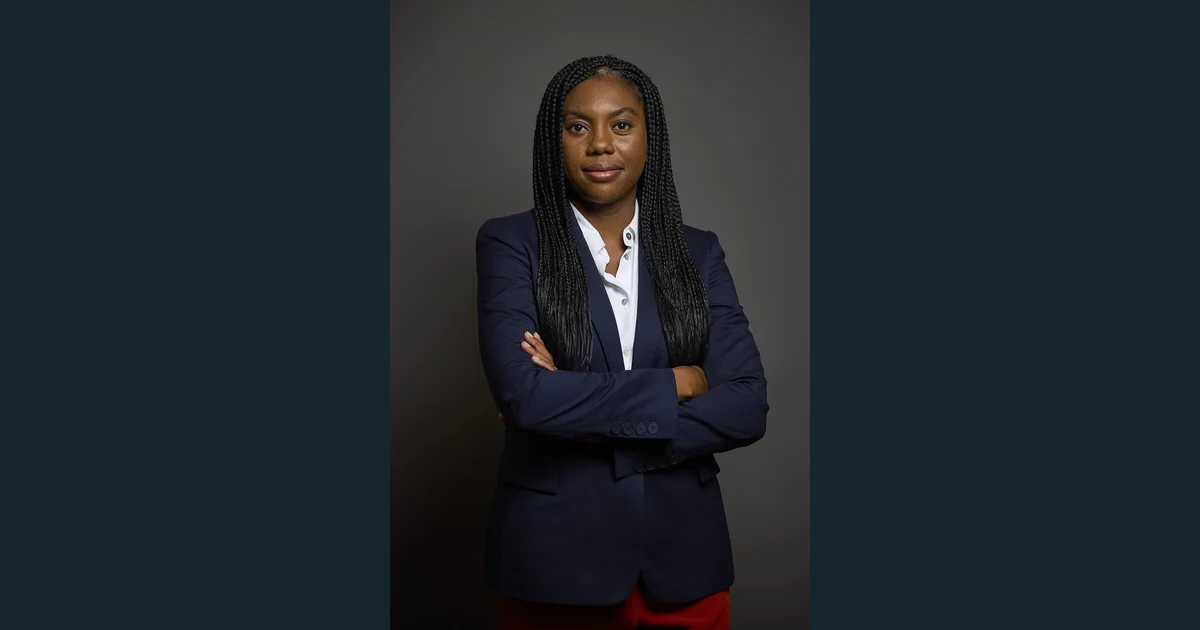
Conservative leader Kemi Badenoch criticized the budget, alleging the government is overspent and overtaxed. She specifically challenged the Chancellor on defence spending, claiming his failure to set out a plan for 3 percent of national income on defence today makes the country less safe.
The Chancellor defended the government's approach, stating he is committed to bringing down the welfare bill in a Labour way and that decisions on welfare and defence spending will be clarified in next year's spending review.
Other political figures expressed dissatisfaction: Liberal Democrat leader Sir Ed Davey argued the budget is merely tinkering, while Reform UK leader Nigel Farage stated it lacks value on defence. Unite union general secretary Sharon Graham described the cost of living measures as baby steps.
Context
The Office for Budget Responsibility has downgraded the UK growth forecast for next year to 1 percent. The Chancellor noted that the economy is being impacted by global uncertainties and rising oil prices linked to conflict in the Middle East.
The government also announced a devolution plan allowing regional mayors to retain 20 percent of business rates, with a goal of reaching 100 percent retention by the end of the decade.
What happens next
The government will await the results of reviews by Alan Milburn and Stephen Timms regarding welfare before introducing legislation next year. A detailed plan for meeting defence spending commitments is expected at next year's spending review.
Why it matters
The 2026 Budget introduces targeted energy support and bank tax hikes while delaying major decisions on defence and welfare until next year, according to BBC Politics.
What we know
- BBC Politics reports that Chancellor John Healey announced a one-off 100 pound energy payment for households in council tax bands A to D in England.
- BBC Politics reports that the tax on profits of big banks will increase from 3 percent to 6 percent from January 2027 to April 2028.
- BBC Politics reports that the Office for Budget Responsibility downgraded the UK growth forecast for next year to 1 percent.
- BBC Politics reports that the minimum wage will increase by 3.9 percent in April.
What remains unclear
- Conservative leader Kemi Badenoch alleged that the budget is not bold enough and that the government is overspent and overtaxed, as reported by BBC Politics.
- Kemi Badenoch alleged that John Healey is making the country less safe by failing to set out a plan for 3 percent defence spending, according to BBC Politics.
How the story developed
Chancellor John Healey delivers first Budget
John Healey announced a series of fiscal measures including energy support and tax changes in the House of Commons.
Original source