Prime Minister Andy Burnham pursues 'everyday fixes' strategy to address public grievances
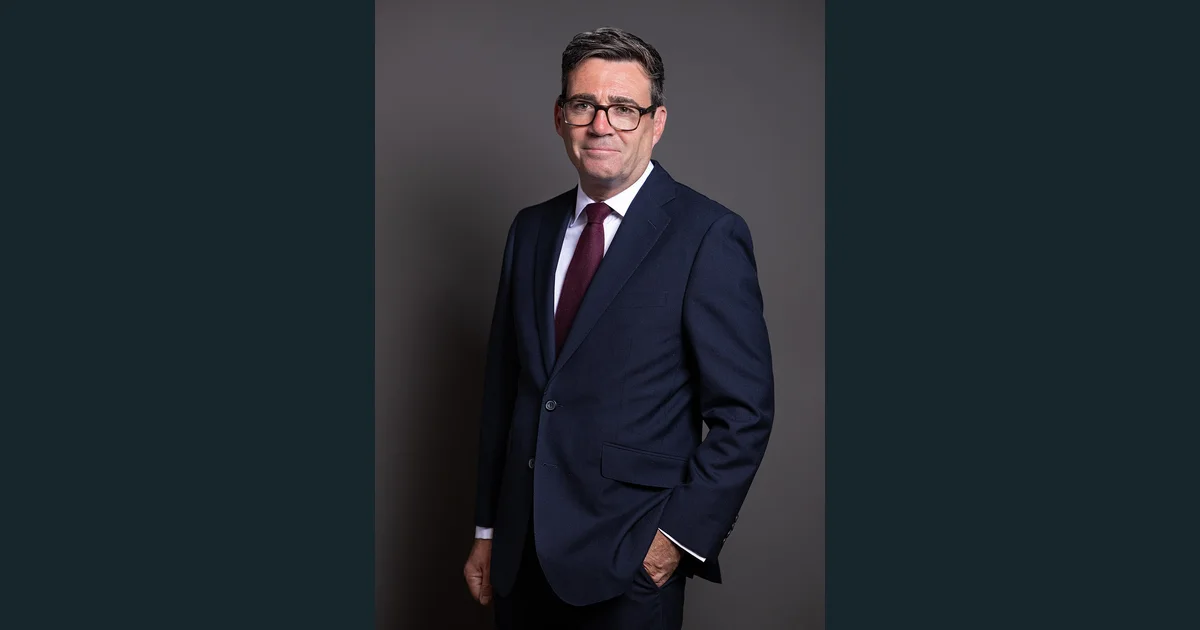
Prime Minister Andy Burnham has adopted a policy strategy focused on addressing minor, everyday public grievances to demonstrate government responsiveness. The initiative, which includes measures such as capping bus fares, addressing pothole repairs, and regulating behavior on public transport, is intended to show that the government can deliver tangible results. While government insiders report the strategy is yielding positive engagement, opposition figures have criticized the approach as a distraction from larger national issues. Polling data suggests the strategy may be resonating with voters, though analysts warn that its popularity could be transient if the government fails to address more significant structural challenges.
Key points
- Prime Minister Andy Burnham is prioritizing small-scale policy interventions to address daily public frustrations.
- Specific measures include capping single bus fares, removing VAT from electricity bills, and addressing issues like potholes and antisocial behavior on public transport.
- Opposition leader Kemi Badenoch has criticized the strategy as unserious, arguing it distracts from major national economic and security concerns.
- Polling by More in Common suggests 45% of respondents believe Burnham understands the pressure of high energy bills, compared to 23% for Keir Starmer.
- Government officials describe the approach as a 'twin-track' strategy that will eventually incorporate a 10-year plan for structural reform.
What happened
Prime Minister Andy Burnham has implemented a series of minor policy announcements, termed 'everyday fixes,' aimed at addressing common public frustrations. Recent actions include pledges to repair potholes across 7,000 miles of road, regulate private car park fines, and curb antisocial behavior on public transport. These follow earlier initiatives such as a £2 cap on single bus fares and the removal of VAT from electricity bills.
Who said what
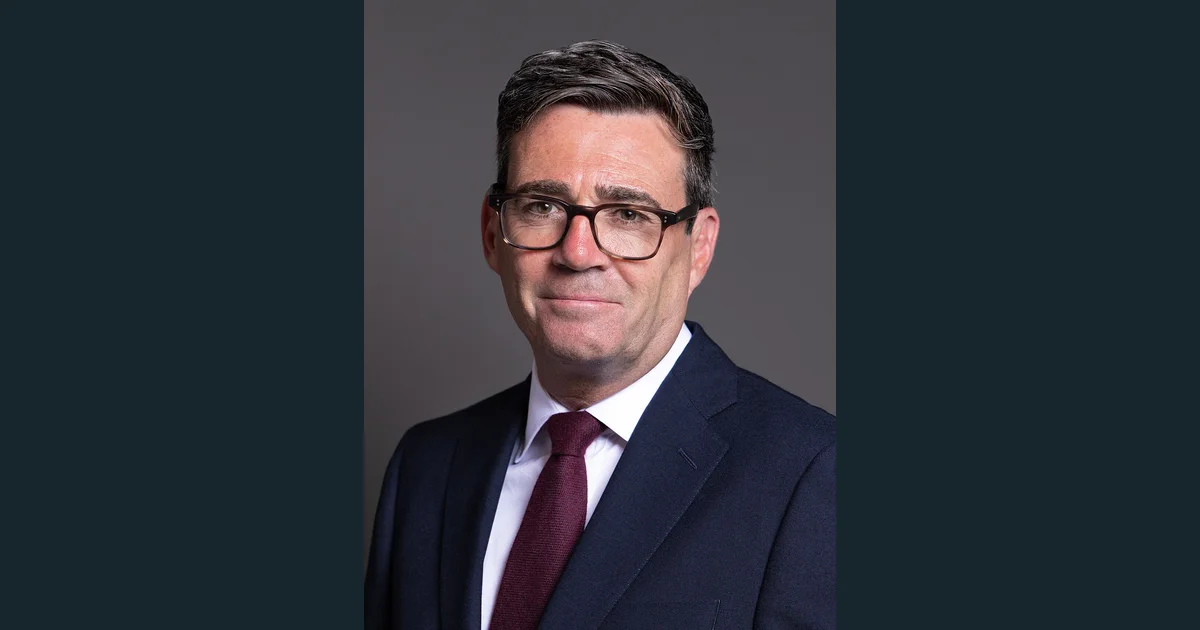
Opposition leader Kemi Badenoch criticized the strategy during Prime Minister's Questions, characterizing the focus on minor issues as a failure to address serious national problems like interest payments on debt. She argued that managing public transport behavior is a task for ticket inspectors rather than the Prime Minister.
In response, Burnham defended the policy, stating he would not apologize for addressing small issues that improve people's lives. Supporters within the government claim the strategy is a deliberate effort to show that the administration is on the side of the public and capable of taking action.
Luke Tryl, director of the polling firm More in Common, noted that the strategy appears to cut across political lines, as voters frequently raise these 'everyday frictions' in focus groups.
Context
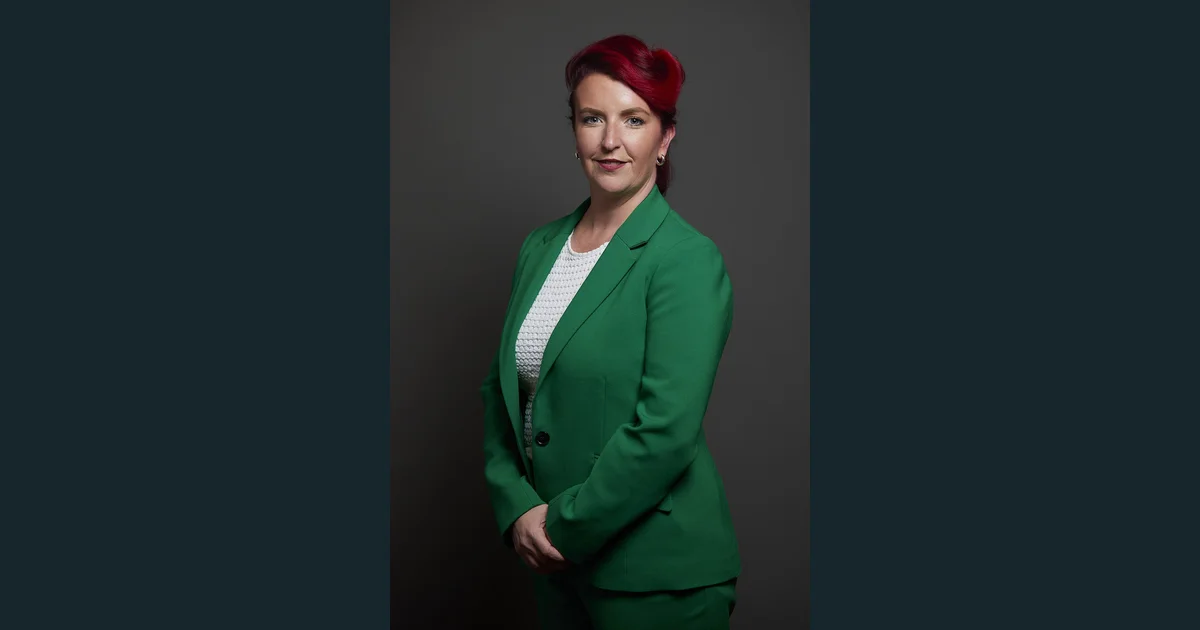
The strategy is managed through taskforces established by Secretary of State Louise Haigh, focusing on cost of living, public control, and regeneration. Government sources indicate that while these small-scale interventions are currently prominent, they are intended to complement a forthcoming 10-year plan aimed at broader structural changes.
Analysts have expressed caution regarding the long-term efficacy of this approach. Ed Shackle of Public First Global warned that while quick fixes may provide a temporary popularity boost, they are not a substitute for addressing substantive national issues and could lose impact during a major crisis.
Why it matters
The 'everyday fixes' strategy aims to build public trust through visible, small-scale policy wins, though its long-term effectiveness remains uncertain.
What we know
- Prime Minister Andy Burnham has implemented a strategy of everyday fixes to address minor public grievances (2b534828-7d20-4dda-abea-6f0409d1273b).
- Specific policies include capping bus fares, removing VAT from electricity bills, and addressing issues like potholes and private car park fines (2b534828-7d20-4dda-abea-6f0409d1273b).
- Polling by More in Common indicates 45% of respondents believe Burnham understands the pressure of high energy bills, compared to 23% for Keir Starmer (2b534828-7d20-4dda-abea-6f0409d1273b).
What remains unclear
- Opposition leader Kemi Badenoch's characterization of the strategy as unserious is an opinion (2b534828-7d20-4dda-abea-6f0409d1273b).
- The forecast that the strategy may provide only a short-lived popularity boost and could be ineffective during substantive crises is an expert opinion (2b534828-7d20-4dda-abea-6f0409d1273b).