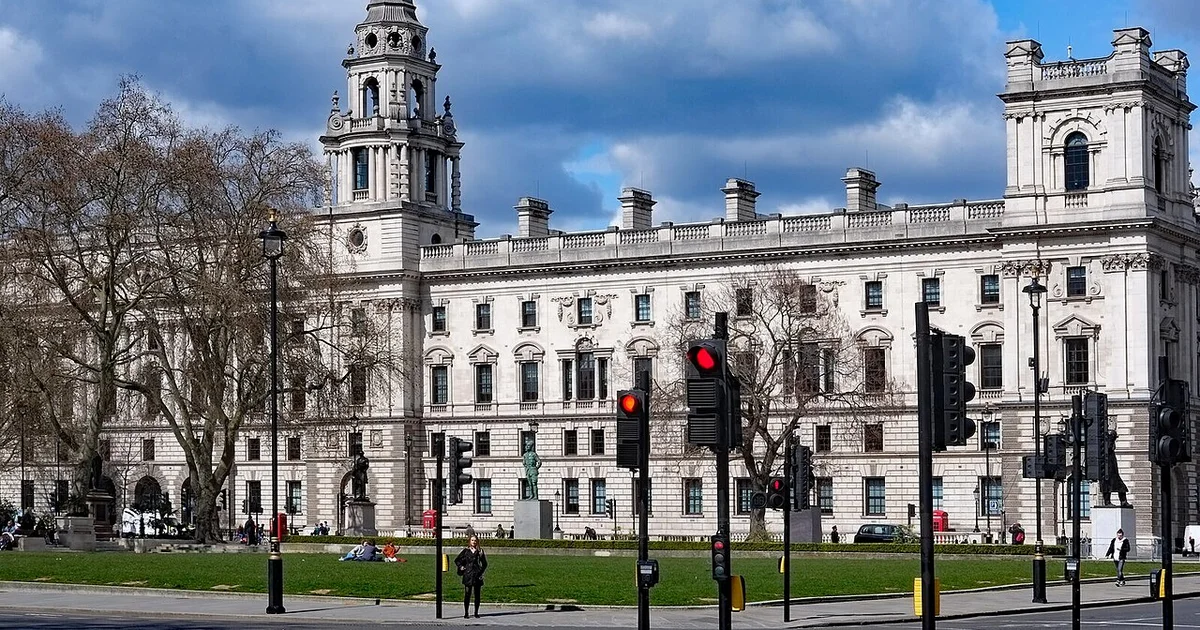
UK Budget 2026 raises tax burden to historic high of 38.6 percent
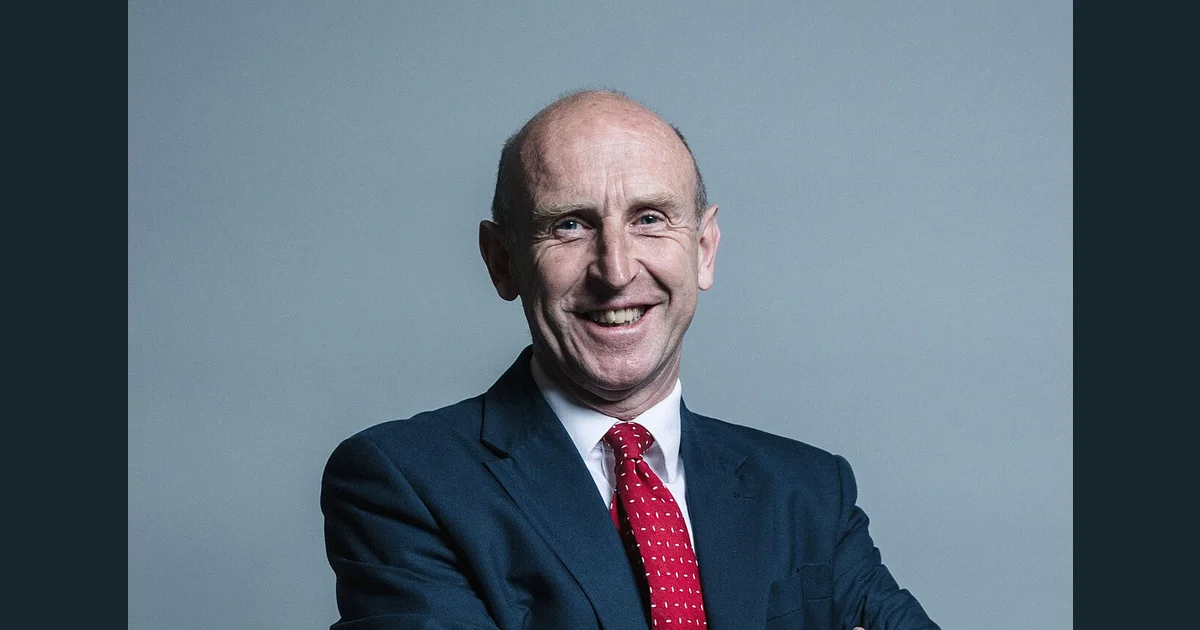
UK Chancellor John Healey delivered the 2026 Budget, which BBC Politics reports raises the national tax burden to a historic high of 38.6% and introduces a 100 pound energy bill help package for millions. While the measures aim to provide limited breathing space for households and reassure financial markets, official forecasters predict that rising earnings will not fully compensate for higher prices and taxes, leaving living standards under pressure.
Key points
- BBC Politics reports that the national tax burden is set to rise to a historic high of 38.6% under the new Budget.
- Chancellor John Healey announced a 100 pound energy bill help package for millions alongside tax increases on banks and some savers.
- Official forecasters predict that household incomes after inflation and tax will typically be lower across the next two years than at the start of the parliament.
- Higher inflation and debt have increased government borrowing costs by 14bn pounds in the past year according to BBC Politics reporting.
- The OBR estimates that 190,000 fewer homes will be built by 2032 due to regulatory burdens and higher costs.
What Happened
Chancellor John Healey presented the United Kingdom Budget, outlining a fiscal plan that maintains frozen tax thresholds and raises the tax burden to a historic high of 38.6% of national income, according to BBC Politics. BBC Politics reports that the Budget includes a 100 pound energy bill help package for millions of households alongside increased taxes targeting banks and certain savers.
BBC Politics reports that the measures reflect limited room for maneuver as higher inflation and debt increased government borrowing costs by 14bn pounds over the past year. Healey stated that the fiscal path is intended to reassure financial markets and keep future debt repayment costs from climbing further.
Who Said What
Chancellor John Healey defended his approach as a necessary course correction during a period of economic strife influenced by international conflict and higher energy costs, maintaining that safety margins in public finances exist precisely for such times.
BBC Politics notes that official forecasters warned that rising earnings will not fully compensate for higher prices and taxes. According to the OBR as reported by BBC Politics, household incomes after inflation and tax are set to be typically lower across the next two years than at the start of the parliament, potentially marking the second worst parliament for living standards since the 1950s.
Context
BBC Politics reports that the fiscal plans draw heavily on previous policies, including the continued freezing of income tax thresholds, known as fiscal drag, which brings additional income into taxation as wages rise. Debt interest repayments are projected to reach 160bn pounds in 2032.
In the housing sector, BBC Politics reports that the OBR estimates regulatory hurdles and higher costs linked in part to international conflicts will result in 190,000 fewer homes being built by 2032 compared to previous forecasts.
What Happens Next
BBC Politics reports that several major policy decisions have been postponed, including public service spending reviews and welfare reforms. Official warnings note that unprotected public service areas such as justice and higher education could lag behind inflation after 2028 if health and defense are prioritized.
BBC Politics states that welfare spending is projected to increase by 100bn pounds between 2025 and 2032, with further potential rises warned if sickness and disability caseload trends continue. Discussions on welfare reform await a forthcoming review into workless young people.
Why it matters
BBC Politics reports that the 2026 Budget raises the UK tax burden to a historic 38.6% while official forecasters warn living standards will remain under pressure.
What we know
- BBC Politics reports that Chancellor John Healey delivered a Budget that raises the tax burden to a historic high of 38.6%.
- BBC Politics reports the Budget introduces a 100 pound energy bill help package for millions and increases taxes on banks and some savers.
- BBC Politics reports government borrowing costs have increased by 14bn pounds in the past year due to higher inflation and debt.
- BBC Politics reports debt interest repayments are projected to reach 160bn pounds in 2032.
What remains unclear
- BBC Politics reports official forecasters predict that earnings will not compensate for higher prices and taxes, leaving household incomes after inflation and tax typically lower across the next two years than at the start of the parliament.
- BBC Politics reports the OBR estimates that 190,000 fewer homes will be built by 2032 compared to previous expectations due to regulation and higher costs.
- BBC Politics reports spending on sickness and disability benefits could rise by an additional 13bn pounds if current caseload trends continue.
How the story developed
Chancellor John Healey presents the 2026 UK Budget
John Healey delivered the 2026 Budget in Britain, announcing a tax burden rise to 38.6% alongside targeted energy bill assistance and tax measures according to BBC Politics.
Original source