Chancellor John Healey unveils cautious UK Budget with small tax and spending measures
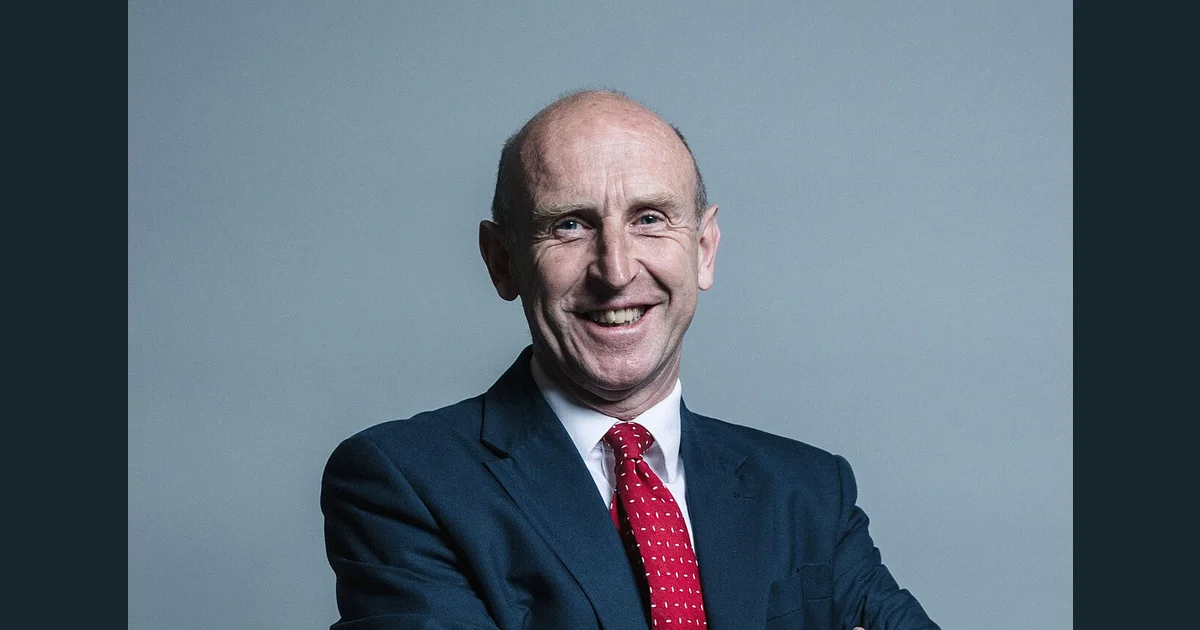
Chancellor John Healey unveiled his Budget featuring ninety-eight smaller measures, including tax increases for savers, landlords, and banks, alongside energy bill assistance. The Office for Budget Responsibility described the UK fiscal position as challenging amid adverse developments in the Middle East. Opposition parties criticized the package as thin, while the government defended it as part of an emerging legislative plan.
Key points
- Chancellor John Healey unveiled ninety-eight smaller measures in his Budget.
- Tax increases target savers, landlords, and banks while keeping income tax, national insurance, and VAT unchanged.
- The Office for Budget Responsibility warned that the UK economic and fiscal position remains very challenging.
- Opposition parties criticized the Budget as thin, while the government defended its broader strategic plans.
What happened
Chancellor John Healey unveiled his Budget, described by political commentators as a flotilla of small measures. The Red Book outlines ninety-eight individual items implemented by the chancellor, a significantly higher volume than in previous budgets. Because the government previously pledged not to raise income tax, national insurance, or VAT, the administration looked elsewhere for revenue, resulting in increased taxes for savers, landlords, and banks.
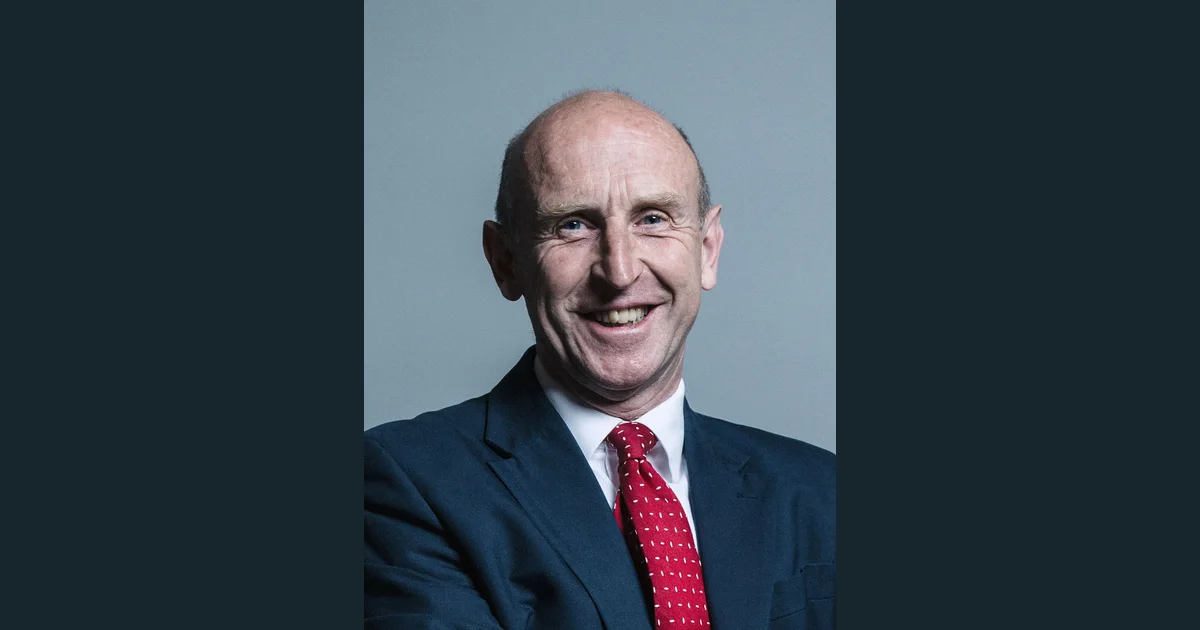
Who said what
Luke Tryl, UK Director of the More in Common think tank, stated that the softly populist tone of the budget is likely to land well with the public by targeting groups with little public sympathy, such as banks, landlords, gambling companies, and vape shops. He added that offering support to households on Council Tax bands A through D helped avoid alienating the squeezed middle.
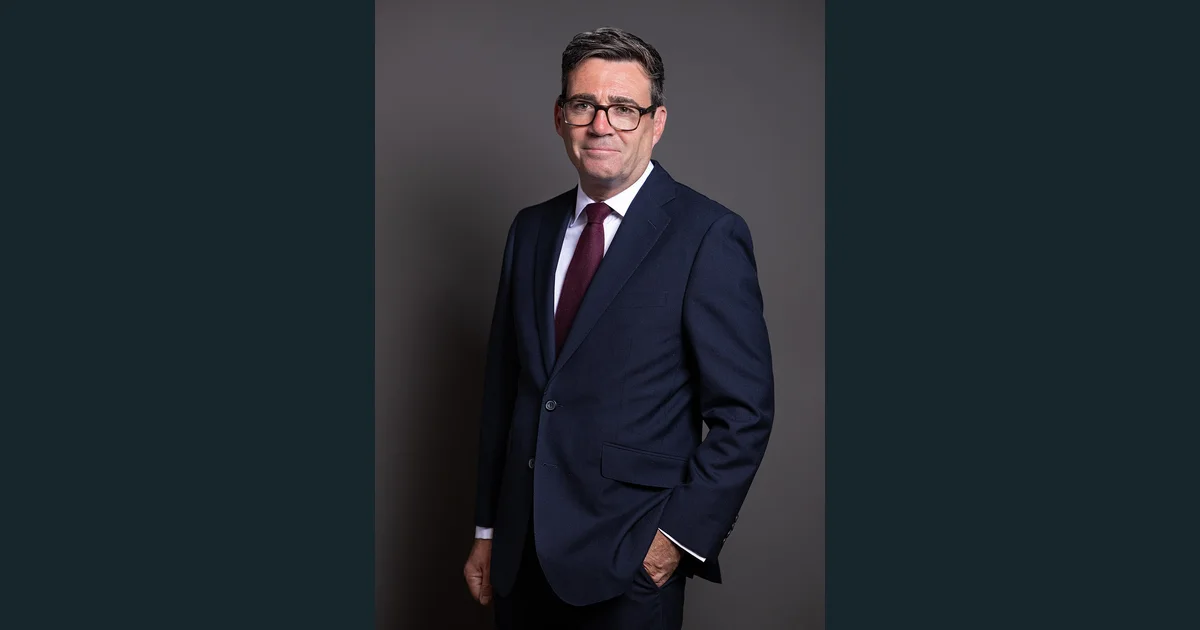
Opposition parties criticized the Budget from various political perspectives, arguing that the package was thin. In response, the government countered that the Budget is one piece of a broader emerging legislative agenda, which includes plans to help young people into work, reduce benefits before Christmas, clarify the long term relationship with the European Union, and incorporate a ten year vision from Andy Burnham.
Context
The Office for Budget Responsibility reported that the UK economic and fiscal position remains very challenging, noting further adverse developments stemming from the conflict in the Middle East. The watchdog added that the outlook for the economy and public finances carries significant uncertainty, with better or worse outcomes of broadly equal probability.
What happens next
The economic outlook remains highly uncertain as national debt, tax burdens, inflation, and interest rates stay high or rising. Future developments depend heavily on international events, including the aftermath of mid term elections in America and the outcome of the Israeli general election.
Why it matters
Chancellor John Healey unveiled a cautious UK Budget featuring ninety-eight small measures and targeted tax increases, while the Office for Budget Responsibility warned that the national economic outlook remains highly uncertain.
What we know
- Chancellor John Healey unveiled his Budget featuring ninety-eight measures.
- Taxes were increased for savers, landlords, and banks.
- The Office for Budget Responsibility stated that the UK economic and fiscal position remains very challenging.
- The government kept income tax, national insurance, and VAT unchanged.
What remains unclear
- Luke Tryl stated that the softly populist tone of the budget is likely to land well with the public.
- Critics and supporters debate whether the package represents a sensible approach or an overly thin set of policies with limited impact.
How the story developed
Chancellor John Healey unveils Budget
Chancellor John Healey unveiled his Budget featuring ninety-eight smaller measures and targeted tax adjustments.
Original source