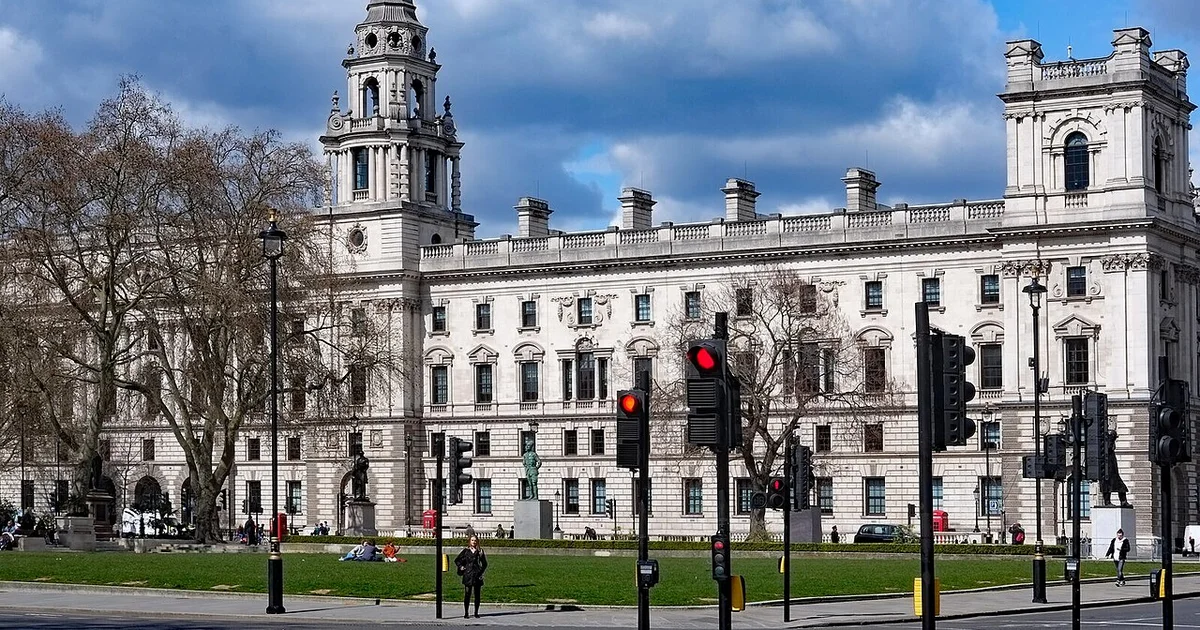
Chancellor John Healey delivers maiden budget amid global economic uncertainty
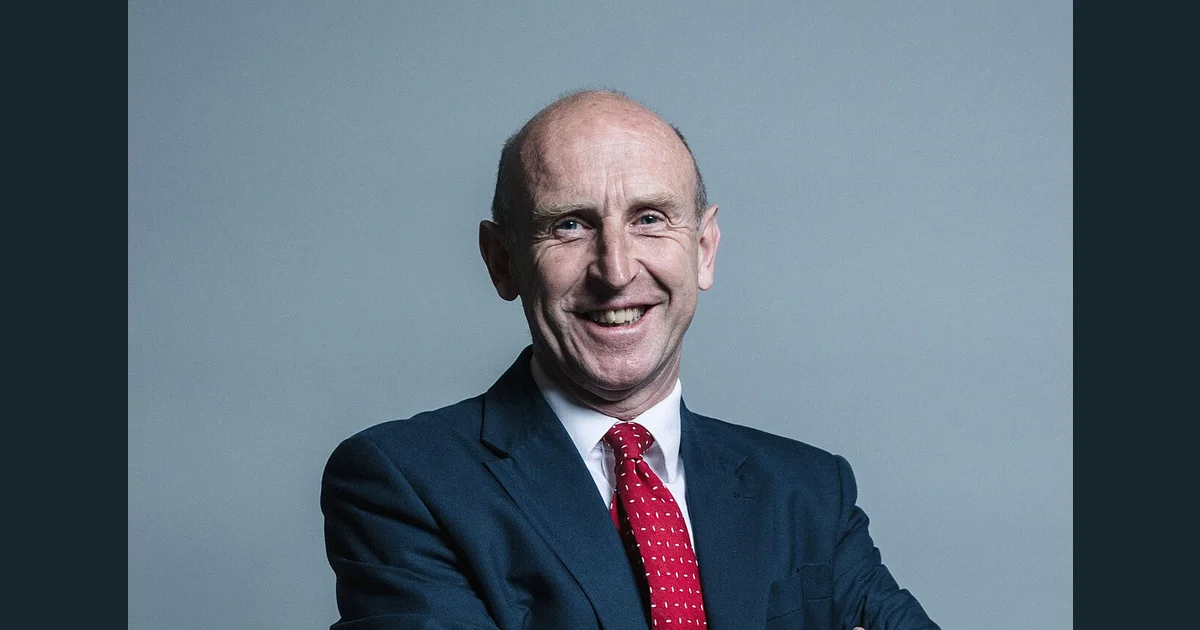
Chancellor John Healey has delivered his first budget, characterized as a steady approach intended to reassure financial markets while addressing cost-of-living pressures. The budget includes a package to mitigate energy costs for households, including council tax support and the cancellation of planned fuel duty increases. Despite these measures, the Office for Budget Responsibility (OBR) projects inflation will rise next year, driven by higher energy prices linked to the ongoing conflict in Iran. Prime Minister Andy Burnham has ruled out a general election within the next 12 months, as the government faces pressure to balance fiscal discipline with demands for more radical economic reform.
Key points
- Chancellor John Healey announced an energy support package to contain winter costs.
- The OBR forecasts UK inflation will rise next year.
- Prime Minister Andy Burnham has ruled out a general election for the next 12 months.
- The government has delayed major tax and spending decisions until next year's spending review.
- Higher borrowing costs have increased government interest expenses.
What happened
Chancellor John Healey presented his maiden budget, which government insiders described as a low-key, defensive strategy. The plan aims to maintain deficit-reduction targets while providing immediate relief to households facing rising energy costs. Healey stated that the government intends to rebuild fiscal headroom by 2030-31.
Who said what
Chancellor John Healey emphasized the necessity of a buffer, stating, "Use it when you need it, rebuild it when you can." He also characterized the current economic environment as facing "global economic storms" rather than mere headwinds. Some Labour MPs have expressed impatience, questioning the lack of radical change and asking, "Is that it?" regarding the scale of the budget.
Context
The budget is set against a backdrop of global economic instability, with the government citing the conflict in Iran as a primary driver of higher energy prices and borrowing costs. The OBR reports that the government faces additional interest costs. While the government has implemented support measures, the energy price cap is expected to rise in January, according to EDF.
What happens next
The government has deferred difficult decisions regarding public spending, including defence and welfare, to a spending review scheduled for next year. The Bank of England is expected to consider interest rate increases as early as next week to combat rising inflation. Downing Street is reportedly monitoring the US midterm elections as a key factor in future economic stability.
Why it matters
The budget signals a cautious fiscal path for the UK government, which faces the challenge of managing rising inflation and borrowing costs while delaying major policy reforms until next year.
What we know
- Chancellor John Healey announced a package to contain energy costs.
- The OBR forecasts UK inflation will rise next year.
- Prime Minister Andy Burnham has ruled out a general election in the next 12 months.
- The government has delayed decisions on tax and spending until next year's spending review.
What remains unclear
- The extent to which the conflict in Iran, attributed to Donald Trump, is the primary driver of global economic instability remains an allegation.
- The effectiveness of the government's fiscal strategy in meeting long-term deficit-reduction targets is a forecast subject to future economic conditions.
How the story developed
Chancellor John Healey delivers maiden budget
The UK Chancellor presented the government's budget, outlining fiscal plans and energy support measures.
Original source