Workers strike across France as nationwide protests over living costs continue
Workers across France have launched a nationwide strike following calls from trade unions, with hundreds of thousands of people expected to participate in demonstrations across 260 cities and towns. The protests, which began in September as a student movement against conditions in public high schools, have expanded to include broader grievances regarding the rising cost of living. Strikers are demanding increased minimum wages, higher salaries, tax reforms, and improved school conditions. President Emmanuel Macron convened a security meeting ahead of the demonstrations, while reports indicate that riot police used tear gas against protesters in Lyon. The ongoing unrest has prompted the relocation of an upcoming G7 foreign ministers meeting from Marseille to Paris.
Key points
- Workers are striking across France to demand higher wages, tax reforms, and better school conditions.
- Protests are expected in 260 cities and towns, with 16 percent of teachers nationwide projected to strike.
- The G7 foreign ministers meeting has been moved from Marseille to Paris due to the ongoing demonstrations.
- President Emmanuel Macron held a security meeting to address the protests.
- Allegations of police violence have been reported during the demonstrations.
What happened
Trade unions have organized a nationwide strike across France, drawing hundreds of thousands of participants to rallies in cities including Marseille, Lyon, and Nantes. A major demonstration is scheduled for Paris. The movement, which originated with student protests in September, now encompasses widespread public dissatisfaction with the cost of living.
In response to the unrest, President Emmanuel Macron held a defence and security meeting on Wednesday to ensure public order. Reuters reported that riot police deployed tear gas against demonstrators in Lyon.
Context
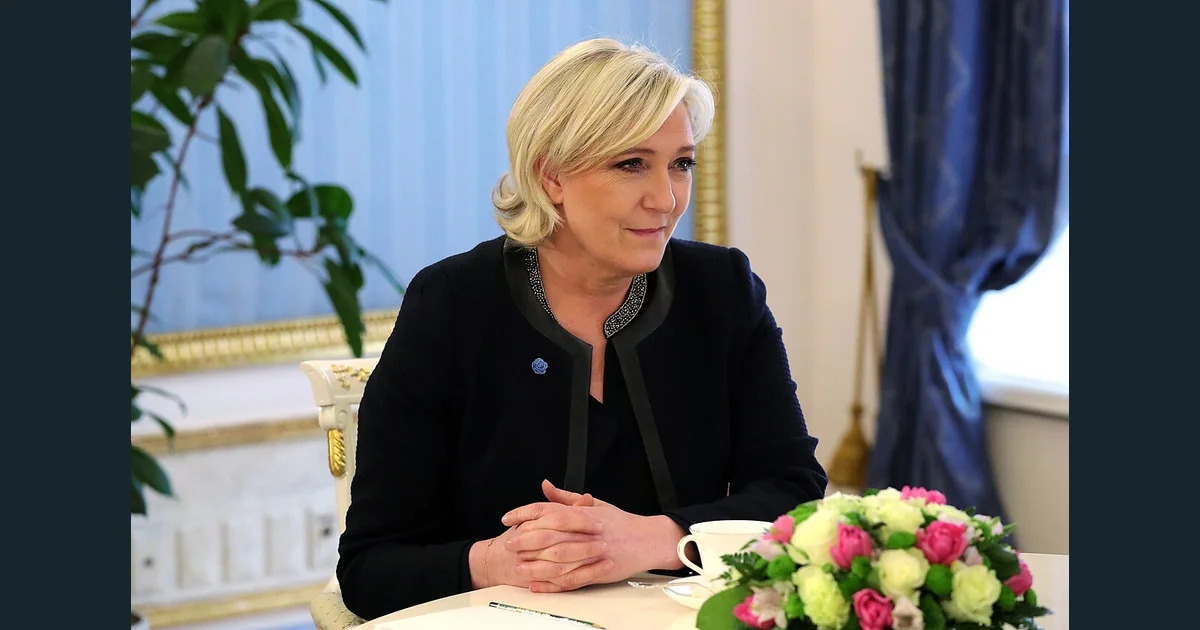
The protests occur as France approaches a presidential election scheduled for April next year. Incumbent President Emmanuel Macron is ineligible to seek a third term. Current polling indicates that far-right candidate Marine Le Pen is the favorite to win the election.
The ongoing demonstrations have impacted international events, with the upcoming G7 foreign ministers meeting moved from Marseille to Paris. Diplomats cited by Reuters described the decision as chaotic and expressed concern regarding the impact on France's international image.
What remains unclear
While organizers anticipate participation across 260 locations, the total turnout remains to be confirmed. Additionally, allegations of police violence during the protests remain subject to ongoing scrutiny and have not been independently verified.
Why it matters
The nationwide strikes and protests have disrupted international diplomacy, forcing the relocation of a G7 meeting, and highlight significant domestic economic grievances ahead of the upcoming French presidential election.
What we know
- Workers across France are participating in a nationwide strike to demand higher wages, tax reforms, and improved school conditions.
- The G7 foreign ministers meeting was moved from Marseille to Paris due to ongoing protests.
- President Emmanuel Macron convened a defence and security meeting on Wednesday.
- The Education Ministry expects 16 percent of teachers nationwide to strike.
- Riot police fired tear gas at a demonstration in Lyon, according to Reuters.
What remains unclear
- There have been allegations of police violence during the demonstrations in France.
- The total number of participants in the nationwide protests remains uncertain.
How the story developed
Nationwide strikes and protests occur across France
Workers across France participate in a strike and protests in 260 cities and towns, with reports of tear gas use in Lyon and the relocation of a G7 meeting.
Original source