German Chancellor Friedrich Merz calls for Korean reunification, highlighting Seoul ambivalence
During a visit overlooking the Demilitarized Zone, German Chancellor Friedrich Merz expressed hope for a reunified Korea, drawing parallels to Germany's own history. According to Deutsche Welle reporting, the remarks highlighted shifting sentiments in South Korea, where a recent study showed a record portion of the population viewing reunification as impossible, alongside North Korea's formal abandonment of reconciliation goals.
Key points
- German Chancellor Friedrich Merz visited the DMZ and called for unity in freedom for the Korean Peninsula, as reported by Deutsche Welle.
- A September study by Seoul National University indicated that 39.1% of South Koreans believe reunification is impossible.
- North Korea approved a revised constitution in March 2026 scrubbing references to reconciliation and declaring South Korea a hostile rival.
- Analysts point to vast economic disparities, different security alliances involving the US, China, and Russia, and waning sentiment among younger South Koreans as major barriers.
What happened
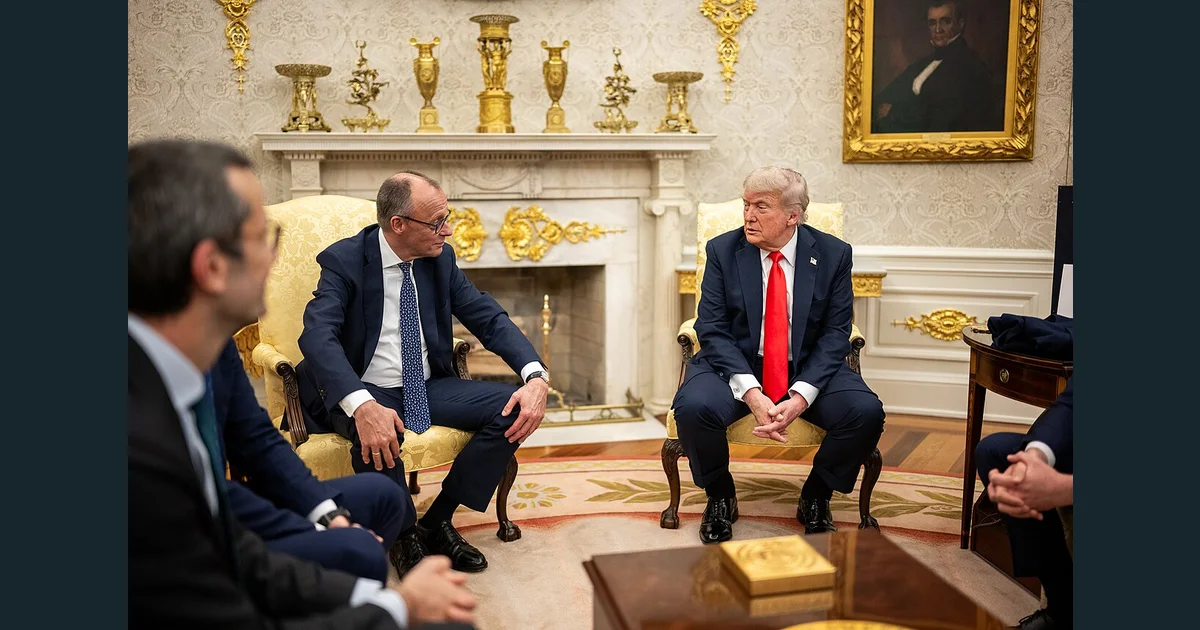
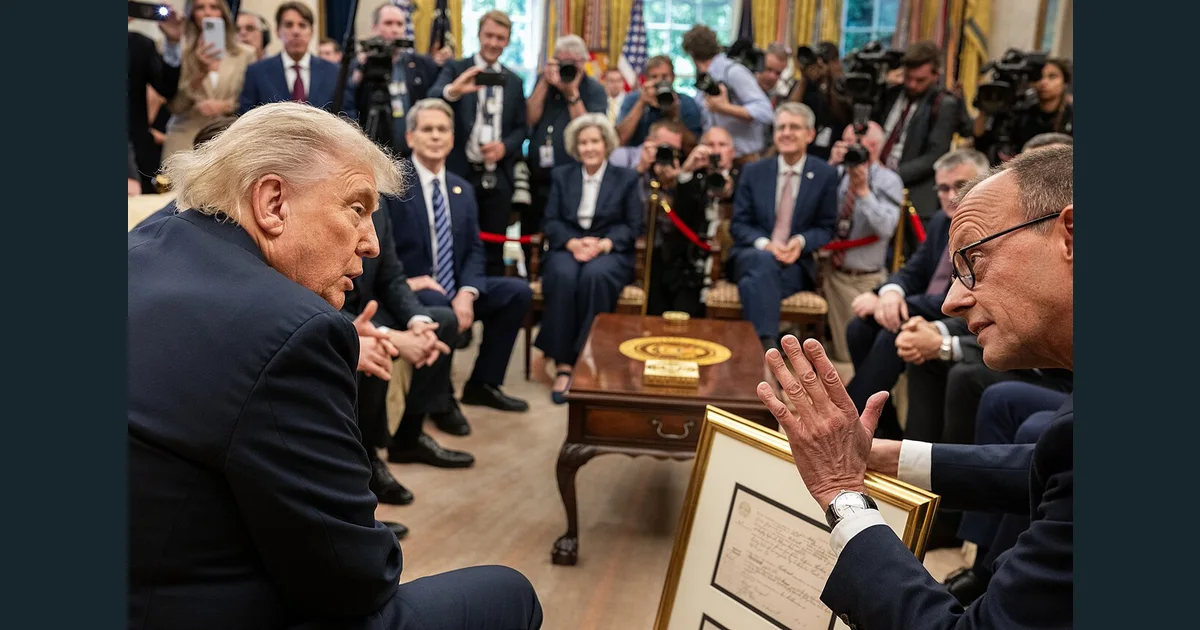
German Chancellor Friedrich Merz visited the Demilitarized Zone separating North and South Korea, where he echoed hopes previously stated by former German Chancellor Helmut Kohl in 1993 for a peaceful reunification of the Korean Peninsula, according to Deutsche Welle reporting.
Stating that Germans understand the pain of a divided country, Merz shared a message emphasizing dialogue and standing firm in values to tear down walls, wishing the people in Korea unity in freedom.
Who said what
Choo Jae-woo, a professor of foreign policy at Kyung Hee University, told Deutsche Welle that younger South Koreans lack the sentimental attachment of older generations and view the North simply as a poor and threatening neighbor.
Mason Richey, a professor of politics and international relations at Hankuk University of Foreign Studies, noted that analysts, officials, and ordinary citizens in the South often react with fatigue when the topic is raised, citing massive economic hurdles and regime survival interests in Pyongyang.
Context
A study published in September by Seoul National University's Institute for Peace and Unification Studies found that 39.1% of South Koreans considered reunification impossible, marking the highest proportion in two decades of surveying, as reported by Deutsche Welle.
While South Korea's official constitution still calls for peaceful union based on freedom and democracy, recent governments promote the concept less frequently.
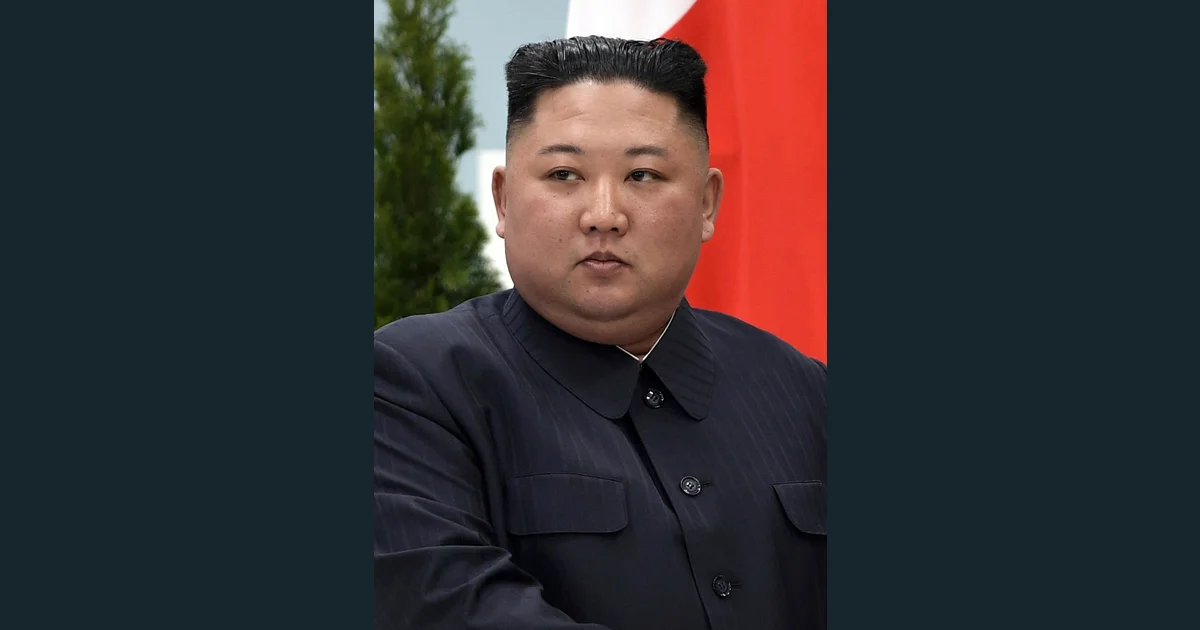
Meanwhile, North Korea moved away from reconciliation entirely. According to Choo, North Korean leader Kim Jong Un announced in December 2023 that peaceful reunification was impossible and designated the South as a hostile rival, a shift codified in a revised constitution approved in March 2026.
What happens next
Experts emphasize that any potential reunification process faces severe geopolitical complications, including conflicting security ties with the United States, China, and Russia.
Professor Choo noted that major superpowers would resist a shift in regional alignment, leaving the current status quo in place as an imperfect preservation of regional stability while long-term economic and social futures remain uncertain.
Why it matters
German Chancellor Friedrich Merz called for a reunified Korea during a DMZ visit, highlighting deep public ambivalence in South Korea and North Korea's formal abandonment of reconciliation, according to Deutsche Welle.
What we know
- Deutsche Welle reports that German Chancellor Friedrich Merz called for a reunified Korea during a visit overlooking the Demilitarized Zone.
- A September study by Seoul National University's Institute for Peace and Unification Studies indicated that 39.1% of South Koreans believed reunification was impossible, according to Deutsche Welle.
- North Korean leader Kim Jong Un announced in December 2023 that peaceful reunification was no longer possible and that South Korea would be seen as a hostile rival, as cited by Deutsche Welle.
- Deutsche Welle reports that North Korea's revised constitution was approved in March 2026.
What remains unclear
- Whether economic, social, and security situations on the Korean Peninsula will radically alter in future decades.
How the story developed
German Chancellor Friedrich Merz calls for Korean reunification during DMZ visit
Chancellor Friedrich Merz visited the Demilitarized Zone and expressed hope for a reunified Korea, drawing attention to Seoul's ambivalence and North Korea's hostility.
Original source