Why MPs keep discussing an early general election despite Prime Minister Andy Burnham denying plans
Westminster is gripped by persistent speculation that the UK could face an early general election, driven by debates surrounding the recent Budget presented by Chancellor John Healey. Prime Minister Andy Burnham has repeatedly ruled out an early poll, stating explicitly that there will be no election in the next twelve months. However, opposition figures and some backbench MPs remain convinced a snap vote is possible, pointing to voter-friendly measures set to expire in the summer and postponed difficult decisions on welfare and defense spending.

Key points
- Prime Minister Andy Burnham has repeatedly ruled out calling an early general election in the next twelve months.
- Parliamentary speculation has increased following the autumn Budget delivered by Chancellor John Healey.
- Conservative leader Kemi Badenoch questioned why certain voter-friendly cost-of-living measures will only last until the summer.
- The Liberal Democrats claim there is a 30% chance of a general election on 10 December and are on a snap election footing.
- Reform UK leader Nigel Farage stated he believes an early general election could happen in May.
What Happened
Speculation about an early general election has intensified across Parliament following the autumn Budget presented by Chancellor John Healey. Despite Prime Minister Andy Burnham having nearly three years remaining before an election must be called and repeatedly ruling out a snap poll, discussion among MPs persists.
Opposition leaders and backbenchers have scrutinized the timing of several measures introduced in the Budget. Conservative leader Kemi Badenoch questioned why several voter-friendly cost-of-living initiatives, such as energy bill help and VAT cuts, are scheduled to run only until the summer, suggesting the timeline points toward a pre-election strategy.
Who Said What
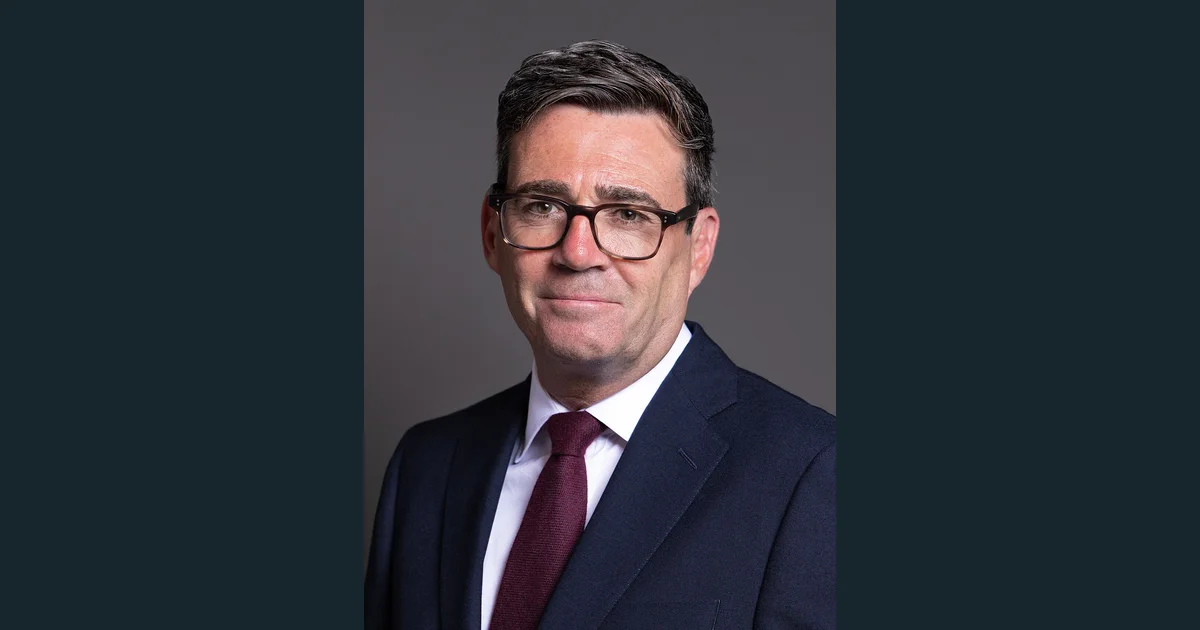
BBC Politics reports that Prime Minister Andy Burnham has categorically denied plans for an early contest, explicitly stating there will not be an election in the next twelve months. A veteran Conservative MP noted that reversing these emphatic denials would cause severe damage to the prime minister's political standing.
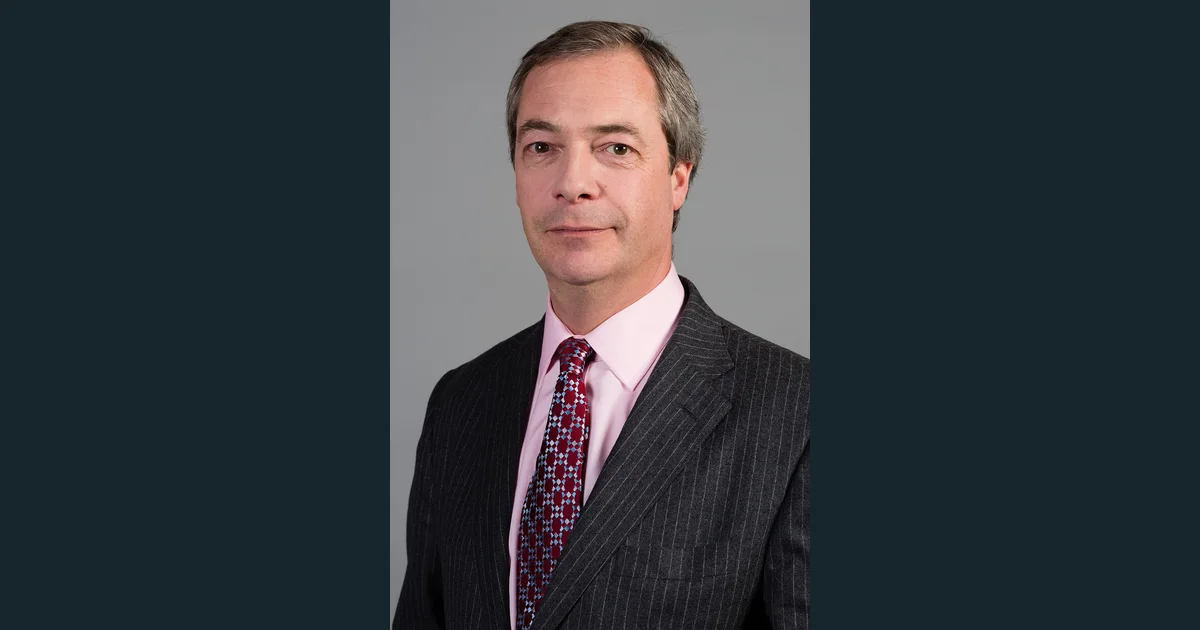
Conversely, the Liberal Democrats have claimed there is a 30% chance of a general election on 10 December and reported that their party is on a snap election footing. Reform UK leader Nigel Farage stated that he believes a general election could occur as early as May.
Unidentified MPs and former Labour ministers offered conflicting interpretations of the Budget. One former minister suggested the fiscal statement created a window for a spring election by delaying tough choices on welfare and defense to an autumn spending review. Other Labour MPs disagreed, arguing the Budget was too low key and play-it-safe to serve as an election platform, with one warning that holding an election on such terms would result in heavy defeat.
Context
Under current rules, a general election must be held by August 2029. Proponents of early election theories argue that the prime minister is currently popular and that Labour holds a strong lead in most polls, raising questions over whether political conditions for the government will improve further.
Counterarguments include the Office for Budget Responsibility assessment that the broader economic outlook remains challenging, with Real Household Disposable Income projected to fall and interest rates predicted to rise. Historical precedents are also mixed: while former Prime Minister Gordon Brown opted against an early poll, Theresa May called a snap general election in April 2017 while leading in the polls, ultimately resulting in the Conservatives losing their majority.
What Happens Next
Number 10 faces numerous policy decisions, including a planned ten-year state reform strategy, a forthcoming detailed plan on social care in England, and decisions regarding the degree of closer alignment with the European Union.
While some opposition MPs and party leaderships prepare for potential snap polling in the coming months, government denials and economic hurdles mean the choice remains complex for the administration.
Why it matters
Westminster speculation over an early general election persists despite Prime Minister Andy Burnham's categorical denials, raising questions about the government's legislative timeline and upcoming spending reviews.
What we know
- BBC Politics reports that Prime Minister Andy Burnham has repeatedly ruled out going to the country early for a general election and stated explicitly that there will not be an election in the next 12 months.
- Chancellor John Healey unveiled a Budget featuring 100 for energy bills, bank tax measures, and the Your First Home scheme.
- Conservative leader Kemi Badenoch questioned the summer expiration of certain voter-friendly measures.
- The Liberal Democrats placed their party on a snap election footing.
- Reform UK leader Nigel Farage stated he thinks there could be a general election in May.
What remains unclear
- The Liberal Democrats claim there is a 30% chance of a general election on 10 December.
- Opposition MPs suggest the timing of the Budget and delayed spending decisions indicate preparations for a spring or early general election.
How the story developed
BBC Politics reports on widespread Westminster speculation regarding an early general election following the Budget
BBC Politics details ongoing discussions among MPs regarding a potential early general election, citing Prime Minister Andy Burnham's denials alongside counterclaims from opposition parties.
Original source