UK Political Leaders Clash Over Future Relationship With European Union
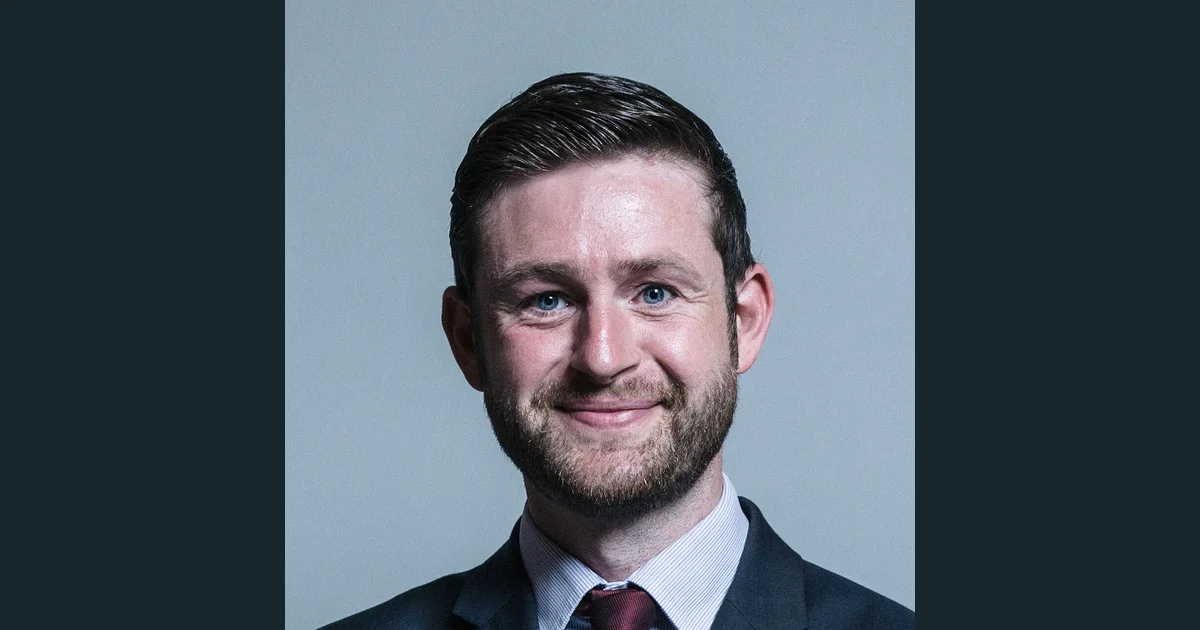
British political discourse remains divided over the legacy and future of Brexit, with Prime Minister Andy Burnham and Conservative leader Kemi Badenoch offering conflicting visions for the United Kingdom's relationship with the European Union. While the Prime Minister has advocated for a national conversation on future ties, including potential reintegration models, the Conservative opposition maintains that the current Brexit deal should be upheld and accuses the government of creating unnecessary division.

Key points
- Prime Minister Andy Burnham has called for a national discussion on the future UK-EU relationship, stating that all options, including rejoining, should be considered.
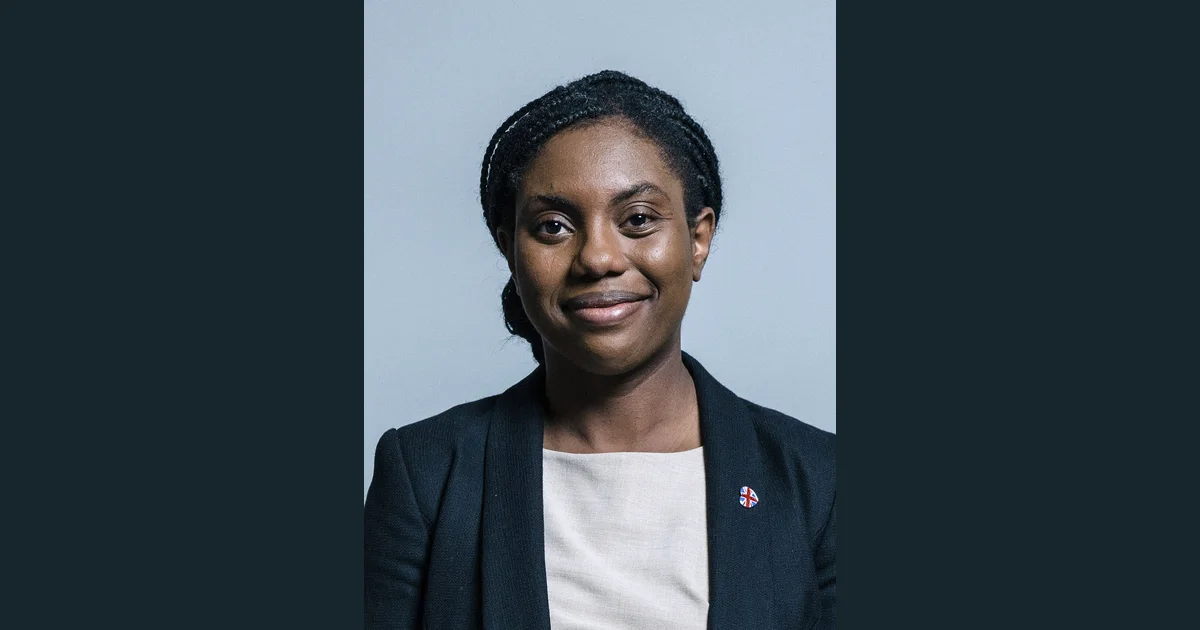
- Conservative leader Kemi Badenoch has criticized the government's approach, arguing that raising the European question stirs division.
- Badenoch has expressed a commitment to withdrawing the UK from the European Convention on Human Rights.
- The debate highlights a fundamental disagreement between the government's push for a future-facing reassessment and the opposition's focus on defending the existing Brexit settlement.
What happened
The debate over the United Kingdom's relationship with the European Union has intensified, with Prime Minister Andy Burnham and Conservative leader Kemi Badenoch presenting opposing strategies. During a recent parliamentary session, Badenoch accused the Labour government of causing division by reopening discussions about the UK's future ties with the EU, suggesting the government should instead acknowledge the Brexit deal negotiated by the Conservatives.
Who said what
Prime Minister Burnham, speaking at the Labour party conference, proposed a national conversation regarding the future relationship with the EU, explicitly stating that all options remain on the table. In response, Kemi Badenoch argued that the government is stirring unnecessary political division. Additionally, the Conservative leader has stated her commitment to withdrawing the UK from the European Convention on Human Rights, a move that critics argue would complicate existing Brexit-related agreements, including those codified in the Good Friday Agreement.
Context
The current political climate is shaped by significant global changes since the 2016 referendum, including the 2022 Russian invasion of Ukraine and shifts in US foreign policy. While the Prime Minister argues that these realities necessitate a reappraisal of the UK's international position, the Conservative Party and Reform UK have criticized his stance, pointing to previous comments made by Burnham during his election campaign where he suggested that relitigating the Brexit debate was not a priority.

Why it matters
The debate underscores a fundamental disagreement over whether the UK should reassess its post-Brexit foreign policy in light of current global realities or maintain the existing settlement.
What we know
- Prime Minister Andy Burnham has called for a national conversation regarding the future relationship with the European Union, including the possibility of rejoining (40d01c3f-7d82-4ac2-a006-5c1827d042a4).
- Kemi Badenoch accused the Labour government of stirring division by raising the question of the future relationship with the European Union (40d01c3f-7d82-4ac2-a006-5c1827d042a4).
- Kemi Badenoch is committed to pulling Britain out of the European convention on human rights (40d01c3f-7d82-4ac2-a006-5c1827d042a4).
What remains unclear
- The claim that Brexit has made Britain poorer and diminished its influence on the world stage is an opinion (40d01c3f-7d82-4ac2-a006-5c1827d042a4).
How the story developed
Political debate over Brexit future
The Guardian reports on the ongoing debate between Prime Minister Andy Burnham and Kemi Badenoch regarding the future of UK-EU relations.
Original source