Debate over Black History Month in UK persists amid reports of rising racist abuse
The conclusion of Black History Month in the UK has prompted reflection on its role in society, with commentators noting a divide between those who view the month as essential and critics who argue against its necessity. Amid this debate, reports have emerged detailing instances of racist abuse directed at public figures and healthcare workers. According to the Royal College of Nursing, racist abuse against NHS nurses has risen by 86 percent in the recent past. Additionally, Labour MP Bell Ribeiro-Addy reported receiving significant racist abuse on social media following a video post supporting the month, and actor Munya Chawawa described experiencing racism and xenophobia during a recent performance in Chichester.
Key points
- Commentators remain divided on the efficacy and necessity of Black History Month in the UK.
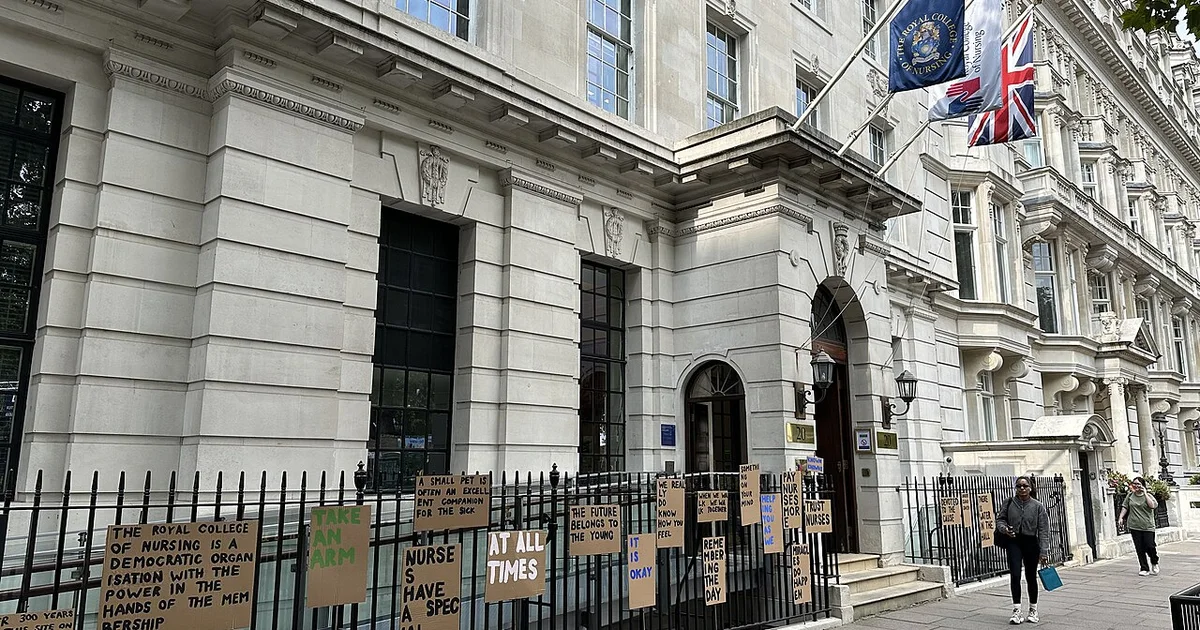
- The Royal College of Nursing reports an 86 percent increase in racist abuse against NHS nurses in the recent past.
- Labour MP Bell Ribeiro-Addy and actor Munya Chawawa have publicly reported experiencing racist abuse.
- The debate occurs against a backdrop of broader concerns regarding the mainstreaming of intolerant political discourse.
What happened
Black History Month in the UK has faced scrutiny from multiple perspectives as it concludes. While some critics argue that the celebration is unnecessary or creates division, others, including proponents of the month, suggest it remains a vital tool for highlighting Black contributions to British society.
The discussion coincides with documented reports of increased hostility toward minority groups. These incidents include targeted abuse against public figures and a rise in reported racist behavior within the National Health Service.
Who said what
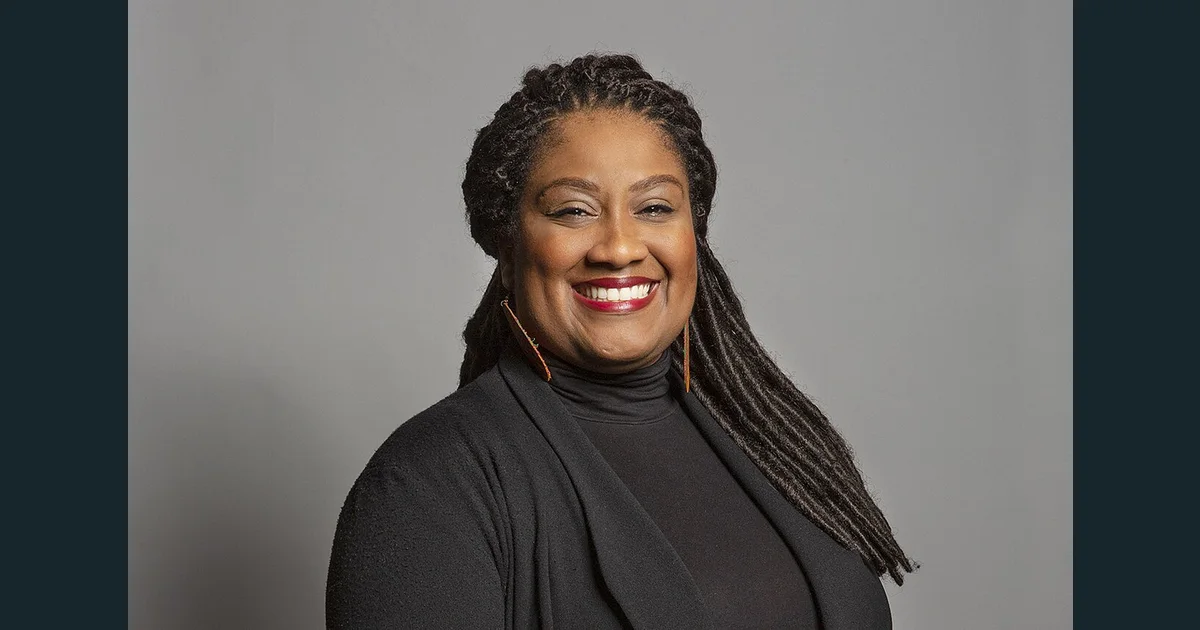
Labour MP Bell Ribeiro-Addy stated she received a high volume of racist abuse, including the use of the N-word and monkey photographs, after posting a video in support of Black History Month. Actor and comedian Munya Chawawa reported witnessing and experiencing racism, xenophobia, and homophobia during a six-week period while performing in Chichester.
The Royal College of Nursing has characterized the environment as a rising tide of racism, citing an 86 percent increase in racist abuse directed at NHS nurses in the recent past.
Context
The debate over Black History Month reflects broader tensions regarding national identity and the inclusion of diverse histories in education and public life. Critics of the month often advocate for a color-blind approach to history, while supporters argue that a dedicated period is necessary until such history is fully integrated into the year-round curriculum.
Commentary from The Guardian suggests that the current political climate has seen an increase in nativist rhetoric, which some observers believe has contributed to a more hostile environment for minorities.
Why it matters
The debate highlights a persistent tension in British society regarding the recognition of Black history, underscored by documented increases in racist abuse against public servants and performers.
What we know
- The Royal College of Nursing reports that racist abuse of NHS nurses has increased by 86 percent in the recent past.
- Labour MP Bell Ribeiro-Addy reported receiving racist abuse on social media after posting a video in support of Black History Month.
- Actor Munya Chawawa reported experiencing racism, xenophobia, and homophobia while performing in Chichester.
How the story developed
Conclusion of Black History Month in the UK
The month-long observance concludes amid ongoing public debate and reports of increased racist incidents.
Original source