Neil Kinnock attributes Welsh Labour electoral defeat to UK government welfare policies
Former Labour leader Lord Neil Kinnock has identified UK government welfare policies as a primary driver for the party's electoral defeat in Wales. In an interview, Kinnock stated that decisions regarding the withdrawal of winter fuel payments and threats to the welfare system transformed voter disillusionment into active dislike. The Labour Party lost power in Wales during the May election, securing only nine Senedd members after 27 years of governance. Kinnock also expressed skepticism regarding the devolution of justice to Wales, arguing that current proposals lack necessary guarantees for system efficiency and public safety.

Key points
- Neil Kinnock claims UK Labour welfare policies caused active dislike of the party in Wales.
- The Labour Party lost power in Wales in May after 27 years, returning nine Senedd members.
- Kinnock cited the withdrawal of winter fuel payments and welfare system threats as key factors.
- Kinnock expressed reservations about devolving justice to Wales, citing a lack of efficiency and safety guarantees.
What happened
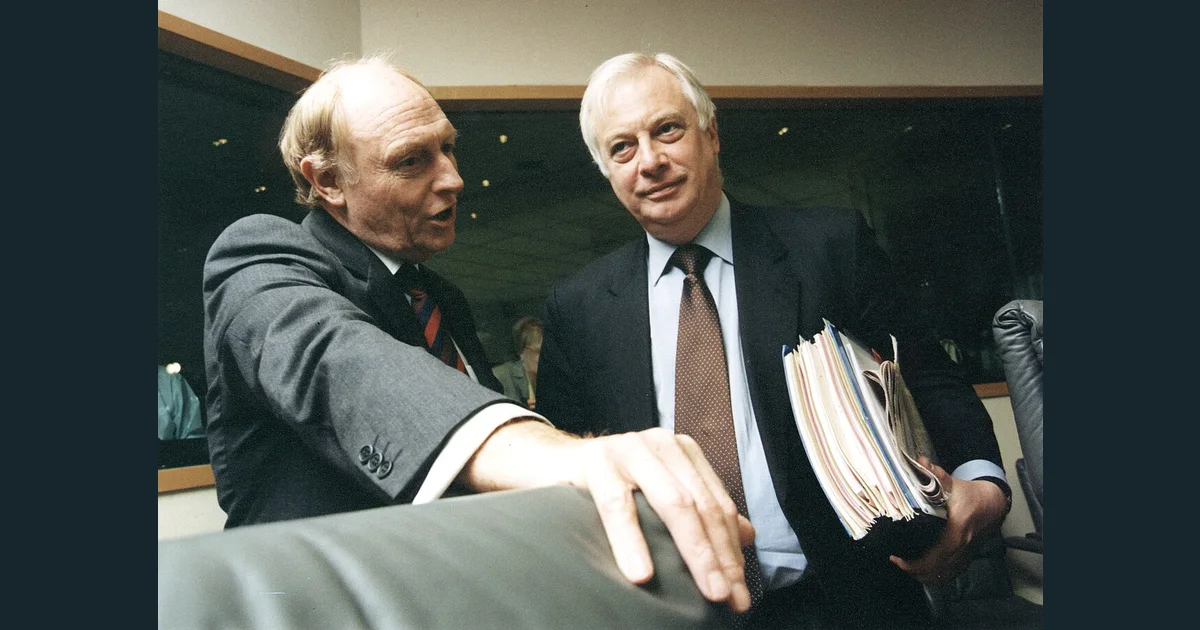
Former Labour leader Lord Neil Kinnock has attributed the party's significant electoral loss in Wales to policies enacted by the UK government. Speaking during a Newyddion S4C YouTube special, Kinnock argued that voters in Wales were alienated by decisions made at both ends of the M4, which he suggested created a negative perception of the Welsh arm of the party.
Kinnock specifically pointed to the withdrawal of the winter fuel allowance and threats to the welfare system as catalysts that turned voter boredom into active dislike. He noted that the failure to scrap the two-child benefit cap quickly enough also contributed to this shift.
Context
In May, the Labour Party lost power in Wales after 27 years of government, returning only nine members to the Senedd. The UK government had previously faced controversy over its decision to means-test winter fuel payments for pensioners in England and Wales, a policy it later reversed in June of the previous year.
Regarding the devolution of justice to Wales, a policy supported by Plaid Cymru, Kinnock expressed significant reservations. While proponents argue that devolution would allow for a more effective and integrated system, Kinnock stated that the necessary guarantees for safety and efficiency are currently absent, suggesting that the transition would present more disadvantages than advantages at this time.
Why it matters
Lord Kinnock's assessment highlights the political friction between UK-wide welfare policies and regional electoral outcomes in Wales. His comments underscore the ongoing debate regarding the devolution of justice and the challenges of governing across different parliamentary jurisdictions.
What we know
- Neil Kinnock is a former leader of the UK Labour Party.
- The Labour Party lost power in Wales in the May election, returning nine Senedd members after 27 years.
- The UK government means-tested winter fuel payments for pensioners in England and Wales in June of the previous year before reversing the decision.
- Neil Kinnock expressed reservations about the devolution of justice to Wales, citing a lack of guarantees for system efficiency and safety.
What remains unclear
- The extent to which specific welfare policies directly caused the electoral defeat in Wales remains a matter of political interpretation.
- The future of justice devolution in Wales remains unresolved as Kinnock and Plaid Cymru hold differing views on the potential benefits and risks.
How the story developed
Neil Kinnock discusses Welsh Labour's electoral performance
Lord Kinnock attributes the party's loss of power in Wales to UK government welfare policies during a Newyddion S4C special.
Original source