Federal Judge Denies DOJ Request to Block California Ballot Counting for Alleged Noncitizens
U.S. District Judge David Carter has denied a Justice Department request for a temporary restraining order that sought to block California from counting ballots linked to more than 20,000 alleged noncitizen voters. The court ruled that the request would disrupt an election already in progress and potentially disenfranchise U.S. citizens. The Justice Department has filed an immediate appeal with the Ninth Circuit Court of Appeals.
Key points
- Judge David Carter denied the DOJ's request to sequester ballots from suspected noncitizens.
- The court stated that the election is already underway and that the requested action would create a chilling effect on voters and election workers.
- The Justice Department has appealed the decision to the Ninth Circuit Court of Appeals.
- California officials argued that the DOJ's assertions relied on suspect data and that it is impossible to identify specific ballots for segregation at this stage.
What happened
U.S. District Judge David Carter issued a ruling late Wednesday night denying an emergency request from the Justice Department to block California from counting ballots associated with over 20,000 individuals alleged to be noncitizens. The court determined that the request would cause irreparable harm to the ongoing election process.
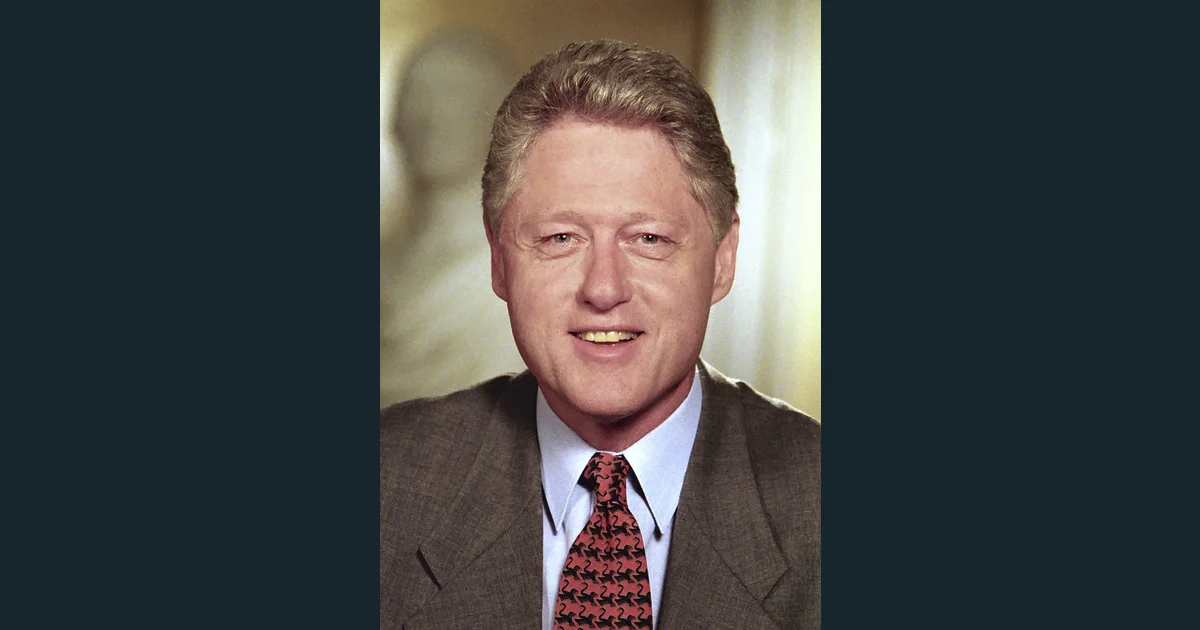
Judge Carter, who was appointed by former President Bill Clinton, noted that the executive branch failed to explain how counting the ballots would impede legal prosecutions. He further stated that the court would not participate in a process that discounts votes based on unproven allegations.
Who said what
First Assistant U.S. Attorney for Central California Bill Essayli stated on social media that the voter rolls were compared against USCIS, Social Security, and passport records. He argued that the effort is intended to enforce existing laws rather than change rules mid-election.
California officials have characterized the DOJ's data as suspect. According to Los Angeles County officials, it is currently impossible to isolate specific ballots belonging to individual voters once they have been processed.
Context
California currently mails ballots to all 23 million registered voters in the state. According to court filings, more than 3.7 million people have already cast their votes, with over 500,000 ballots processed as of the week of the ruling.
The Justice Department has taken similar actions in other states, including a recent request in Washington state to withhold the counting of ballots from 400 individuals the agency claims are not citizens.
What happens next
The Justice Department has filed a notice of appeal and is seeking an emergency order from the Ninth Circuit Court of Appeals to intervene in the ballot counting process.
Why it matters
The court's decision allows California to continue processing ballots while the Justice Department's appeal proceeds, highlighting the ongoing legal tension over voter roll verification and election administration.
What we know
- U.S. District Judge David Carter denied the Justice Department's request for a temporary restraining order.
- The Justice Department has appealed the district court's decision to the Ninth Circuit Court of Appeals.
- California mails ballots to all 23 million registered voters in the state.
- More than 3.7 million ballots have been cast in California as of the time of the court filing.
What remains unclear
- The accuracy of the claim that 20,000 noncitizens are registered to vote in California remains disputed.
- The extent of noncitizen voting in the United States is a subject of ongoing political debate and unverified allegations.