Sri Lanka forms expert committee following death of iconic tusker Kavantissa
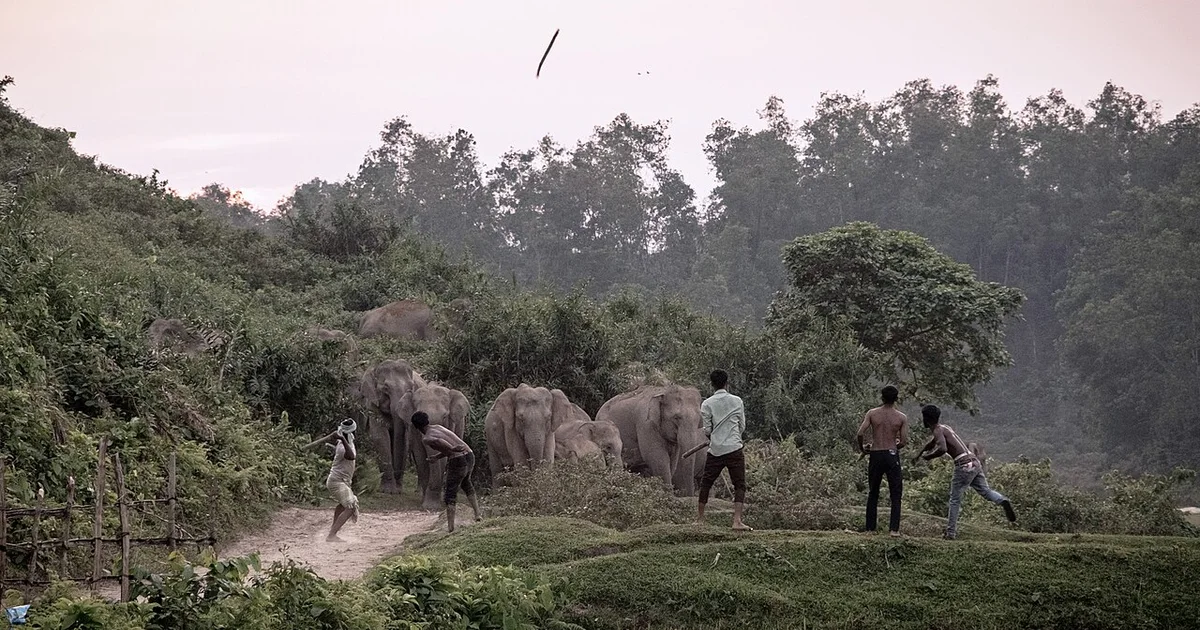
The death of Kavantissa, an iconic wild bull elephant in Galgamuwa, Sri Lanka, has triggered public outcry and a government-led investigation. Known for his gentle nature and frequent appearances near local railway tracks, the tusker died on October 17, 2026, with a gunshot wound to his right front leg suspected as the cause. The incident has intensified scrutiny of Sri Lanka's human-elephant conflict and the regulation of firearms for crop protection. In response, the government has formed an expert committee to develop scientific standard operating procedures for wildlife management and potential rapid response veterinary interventions.
Key points
- Kavantissa, a popular wild tusker, died on October 17, 2026, in Galgamuwa, Sri Lanka.
- A gunshot injury to the right front leg is the suspected cause of death, pending an official postmortem report.
- The Sri Lankan government has appointed an expert committee to address elephant management and future incident responses.
- The Department of Wildlife Conservation reported 976 elephant deaths from gunshot injuries between 2010 and May 2026.
- Experts highlight that 70% of Sri Lanka's elephants live outside protected areas, complicating conservation efforts.
What happened
Kavantissa, a well-known wild tusker in the North Western Province of Sri Lanka, died on October 17, 2026. The elephant was widely recognized by local residents for his gentle behavior and his habit of appearing near railway tracks in Kasikote. His death has sparked significant local and international concern regarding the welfare of the country's elephant population.
While an official postmortem report is pending, a gunshot injury to the elephant's right front leg is the suspected cause of death. This incident follows a broader pattern of human-elephant conflict in the region, where agricultural expansion has increasingly brought elephants into contact with human settlements.
Context and government response
The Department of Wildlife Conservation (DWC) reports that 976 wild elephants died due to gunshot injuries between 2010 and May 2026. The issue of firearm access for farmers remains a point of contention, with various government policies over recent years attempting to balance crop protection with wildlife safety.
In response to the public outcry following Kavantissa's death, the government has established an expert committee. The committee held its first meeting on October 21, 2026, focusing on the creation of scientific standard operating procedures and the potential establishment of a rapid response veterinary unit to manage future wildlife emergencies.
Why it matters
The death of Kavantissa has prompted the Sri Lankan government to form an expert committee to address the ongoing human-elephant conflict and the regulation of firearms for crop protection. The incident highlights the challenges of managing a population where 70% of elephants reside outside protected areas.
What we know
- Kavantissa died on October 17, 2026, in Galgamuwa, Sri Lanka.
- The Department of Wildlife Conservation reported 976 wild elephant deaths from gunshot injuries between 2010 and May 2026.
- An expert committee was appointed by the government and held its first meeting on October 21, 2026.
- Approximately 70% of elephants in Sri Lanka live outside of protected areas according to the DWC.
What remains unclear
- The official cause of death for Kavantissa remains unconfirmed pending the release of a postmortem report.
- The extent to which the expert committee's recommendations will alter current firearm policies for farmers is unknown.