Conservation Groups Urge Governments to Ban Extractive Industries in Protected Areas at COP17
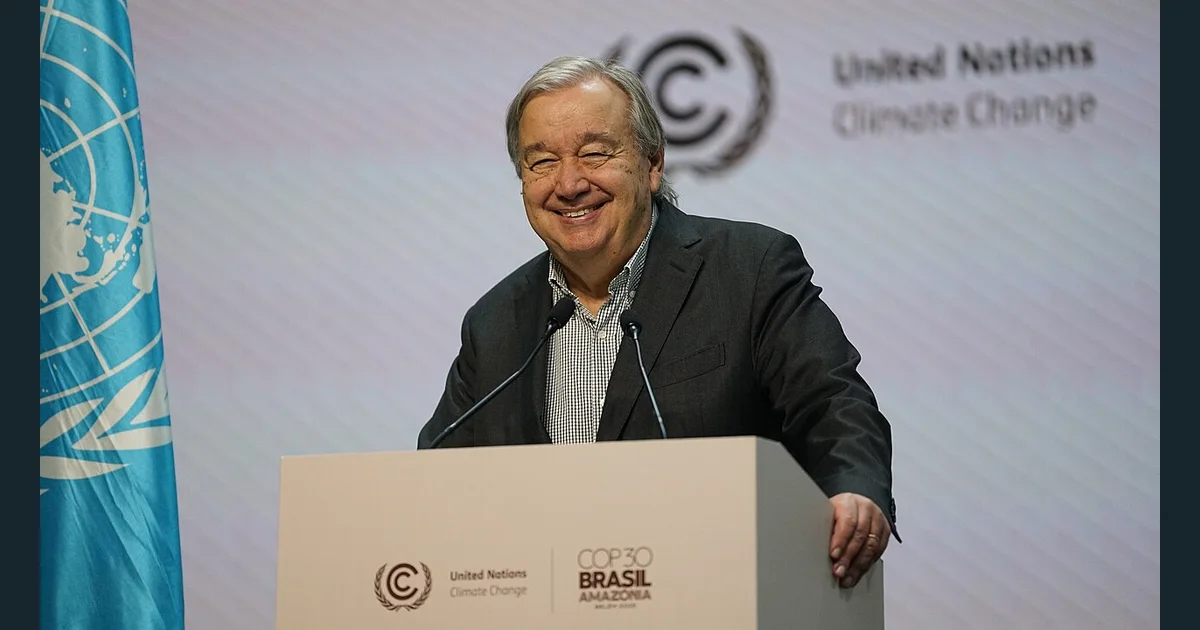
More than 80 conservation, Indigenous, and civil society organizations have issued a joint letter to governments attending the COP17 biodiversity summit in Armenia, demanding that mining, oil, and gas operations be excluded from protected areas. The signatories argue that current global conservation targets, specifically the 30x30 commitment to protect 30% of land and water by 2030, are undermined by industrial overlap. A report by Earth Insight indicates that millions of hectares of protected land in the tropics currently overlap with extractive concessions. While advocates emphasize the necessity of securing these areas against industrial activity, U.N. Secretary-General António Guterres has previously noted the ongoing tension for developing nations between economic development and environmental protection.
Key points
- Over 80 organizations signed a letter urging a ban on extractive industries in protected areas.
- Nearly 62 million hectares of tropical protected areas overlap with oil and gas blocks.
- Approximately 43 million hectares of protected areas overlap with mining concessions.
- The 30x30 framework aims to protect 30% of global land and water by 2030.
- A 2026 U.N. report warns that 2030 biodiversity targets are at risk without accelerated implementation.
Advocacy for Protected Area Integrity
In an effort to ensure the reality of global conservation commitments, a coalition of more than 80 organizations has called on governments at the COP17 summit to prohibit extractive activities in protected zones. The signatories, including The Nature Conservancy and the Global Alliance of Territorial Communities, argue that numerical conservation targets are insufficient if the designated areas remain vulnerable to industrial exploitation.
The appeal highlights the need for governments to review existing concessions and strengthen spatial planning. Juan Carlos Jintiach of the Global Alliance of Territorial Communities emphasized that conservation must respect the rights of Indigenous and local peoples to manage their territories.
Industrial Overlap and Implementation Challenges
Data from an October 8 report by Earth Insight and partners reveals significant overlap between protected areas and industrial interests. In the tropics, nearly 62 million hectares of protected and conserved areas overlap with oil and gas blocks, while 43 million hectares overlap with mining concessions.
Conservation experts, including representatives from the IUCN World Commission on Protected Areas and the WWF, maintain that mining is incompatible with the purpose of protected areas. However, U.N. Secretary-General António Guterres has previously acknowledged the difficulty governments face in balancing economic development with environmental preservation, noting the role of the extractives sector in sustainability.
Why it matters
The call to ban extractives in protected areas highlights a critical tension between achieving global 2030 biodiversity targets and the economic development priorities of many nations.
What we know
- More than 80 organizations signed a letter urging governments to prohibit mining, oil, and gas operations within protected areas (f9b9b7a0-00dd-4d8f-8c11-c526fa3fae5d).
- Nearly 62 million hectares of protected areas in the tropics overlap with oil and gas blocks (f9b9b7a0-00dd-4d8f-8c11-c526fa3fae5d).
- Approximately 43 million hectares of protected areas in the tropics overlap with mining concessions (f9b9b7a0-00dd-4d8f-8c11-c526fa3fae5d).
- The 30x30 target is a commitment to protect 30% of the planet's land and waters by 2030 (f9b9b7a0-00dd-4d8f-8c11-c526fa3fae5d).
- A 2026 U.N. report warns that 2030 biodiversity targets will not be achieved without rapid implementation (f9b9b7a0-00dd-4d8f-8c11-c526fa3fae5d).
What remains unclear
- The extent to which governments will adopt the requested prohibitions on extractive industries at COP17 remains uncertain.