Climate Change and El Nino Threaten Australian Macropod Populations
On World Kangaroo Day, researchers are highlighting the mounting pressures climate change places on Australia's 59 macropod species. While larger kangaroo populations remain abundant, smaller and more specialized species face existential threats from increasingly frequent droughts and intense bushfires. Experts warn that a projected 2026-27 super El Nino event could exacerbate these conditions, leading to habitat loss, food shortages, and increased physiological stress for wildlife. Conservationists emphasize that while some species may adapt, the speed and severity of environmental changes, compounded by land-use practices, limit the resilience of vulnerable populations.
Key points
- Australia is home to 59 macropod species, with 11 currently listed as Endangered or Critically Endangered by the IUCN.
- Climate change has contributed to 14 of Australia's 15 warmest years on record, driving severe drought and bushfire cycles.
- The 2019-2020 Black Summer bushfires displaced, injured, or killed an estimated 5 million kangaroos and wallabies.
- A predicted 2026-27 super El Nino event is expected to bring hotter, drier conditions, increasing the risk of mass starvation and fire-related mortality.
- Experts advocate for sustainable land management, including Indigenous-led fire practices and habitat restoration, to support wildlife resilience.
Environmental Pressures on Macropods
Australia's macropod population, estimated between 30 million and 50 million, faces significant volatility due to climate-driven environmental shifts. Research indicates that extreme weather events, such as the decade-long drought beginning in 2000, have caused massive population fluctuations. During that period, populations in eastern Australia fell by approximately 30 million before recovering by 2014.
Beyond direct mortality from fires and drought, scientists note that climate change alters the landscape in ways that increase vulnerability. Euan Ritchie, a professor at Deakin University, stated that extreme heat causes physiological stress, while the spread of invasive grasses like gamba grass increases fire severity. Furthermore, as resources like water become scarce, kangaroos are forced to seek shelter in areas where they are more susceptible to predators.
Risks to Vulnerable Species
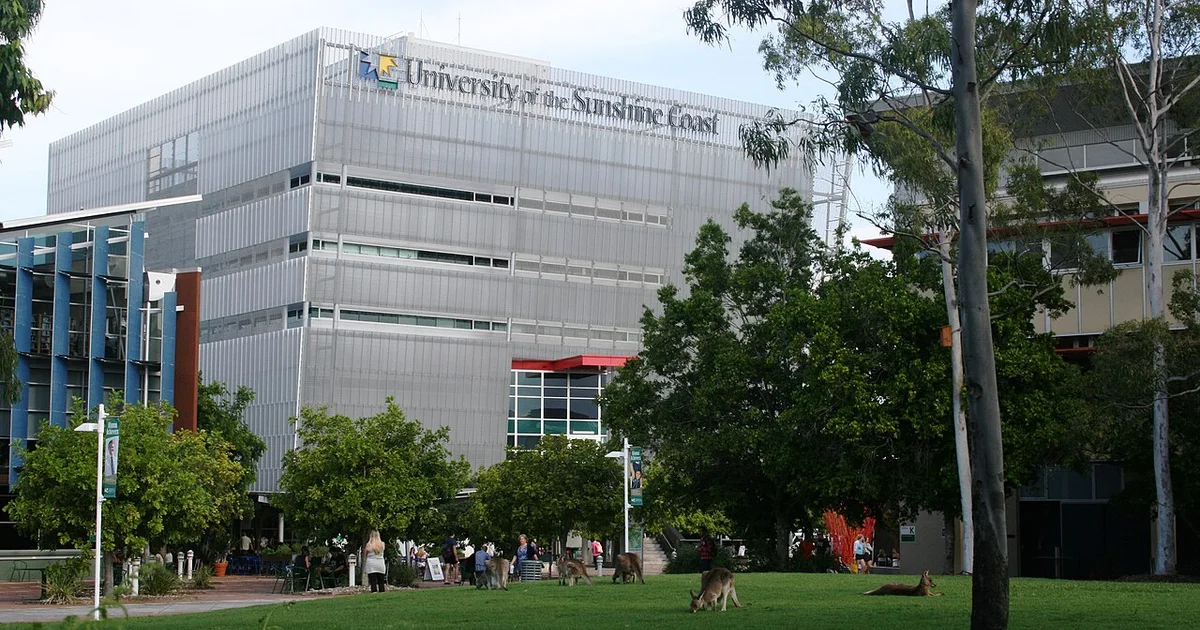
While populous species like the red kangaroo show some capacity for recovery, smaller and ecologically specialized macropods are at higher risk of extinction. Species such as the Gilbert's potoroo and the Northern bettong are geographically restricted, making them particularly sensitive to habitat loss. Elizabeth Brunton of the University of the Sunshine Coast noted that isolated populations are especially threatened by high-severity fires, citing the drastic decline of the Gilbert's potoroo following a 2015 fire.
Preparing for the 2026-27 El Nino
As the Southern Hemisphere approaches summer, there is heightened concern regarding the impact of a forecasted super El Nino event. Historical data from the 2015-16 El Nino phase, which saw mass starvation and a reduction of 3.6 million kangaroos in Queensland, serves as a warning for potential outcomes. Wildlife Victoria is currently coordinating with government agencies to prepare for potential fire emergencies and the long-term aftermath of habitat loss.
Why it matters
Climate change and extreme weather events threaten the survival of specialized macropod species, with a predicted super El Nino expected to worsen habitat loss and resource scarcity in Australia.
What we know
- Australia has 59 macropod species, 11 of which are listed as Endangered or Critically Endangered by the IUCN.
- Six kangaroo species have gone extinct in Australia since colonization.
- The 2019-2020 Black Summer bushfires resulted in the displacement, injury, or death of an estimated 5 million kangaroos and wallabies.
- The 2026-27 super El Nino event is forecasted to bring increased droughts, extreme heatwaves, and severe bushfires to Australia.
What remains unclear
- The exact extent to which kangaroo populations can recover from repeated climate-driven population crashes remains unknown due to coarse data at landscape levels.
- The precise severity of the 2026-27 super El Nino event and its specific impact on individual macropod species are subject to environmental forecasting.
How the story developed
World Kangaroo Day
World Kangaroo Day is observed, prompting reflection on the impact of climate change on Australian macropods.
Original source