UK and Caribbean nations agree to structured dialogue on slavery legacy
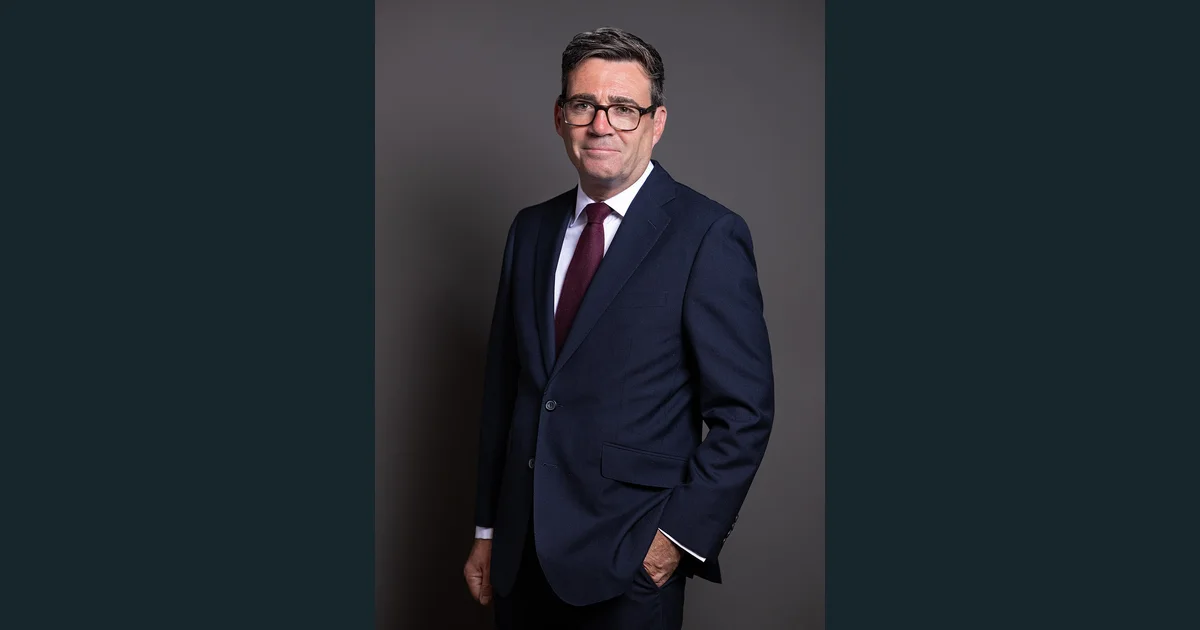
Following discussions at the Commonwealth heads of government meeting, the UK and Caribbean nations have committed to a structured dialogue regarding the legacy of the slave trade. While UK Prime Minister Andy Burnham has ruled out direct reparations, he has proposed discussions on debt relief and announced funding for critical infrastructure in the region over the next three years. Caribbean leaders, including Antigua and Barbuda Prime Minister Gaston Browne, have expressed optimism about the dialogue while maintaining that the issue of reparations will remain a central part of the upcoming discussions.
Key points
- The UK and Caribbean nations agreed to a structured dialogue on the legacy of slavery to take place within the next year.
- UK Prime Minister Andy Burnham has explicitly ruled out reparations but remains open to discussing debt relief.
- The UK government pledged funding for critical infrastructure in the Caribbean over the next three years.
- Caribbean leaders intend to raise the issue of reparations during the planned dialogue.
- Advocates for reparatory justice argue that development assistance should not be viewed as a replacement for reparations.
What happened
Commonwealth leaders have reached a consensus to initiate a structured dialogue between the UK and Caribbean nations concerning the legacy of the slave trade. The agreement follows discussions held at the Commonwealth heads of government meeting.
Antigua and Barbuda Prime Minister Gaston Browne stated that the framework for this dialogue is expected to be established by the end of this year or early next year, with the formal discussions occurring within the next 12 months.
Who said what
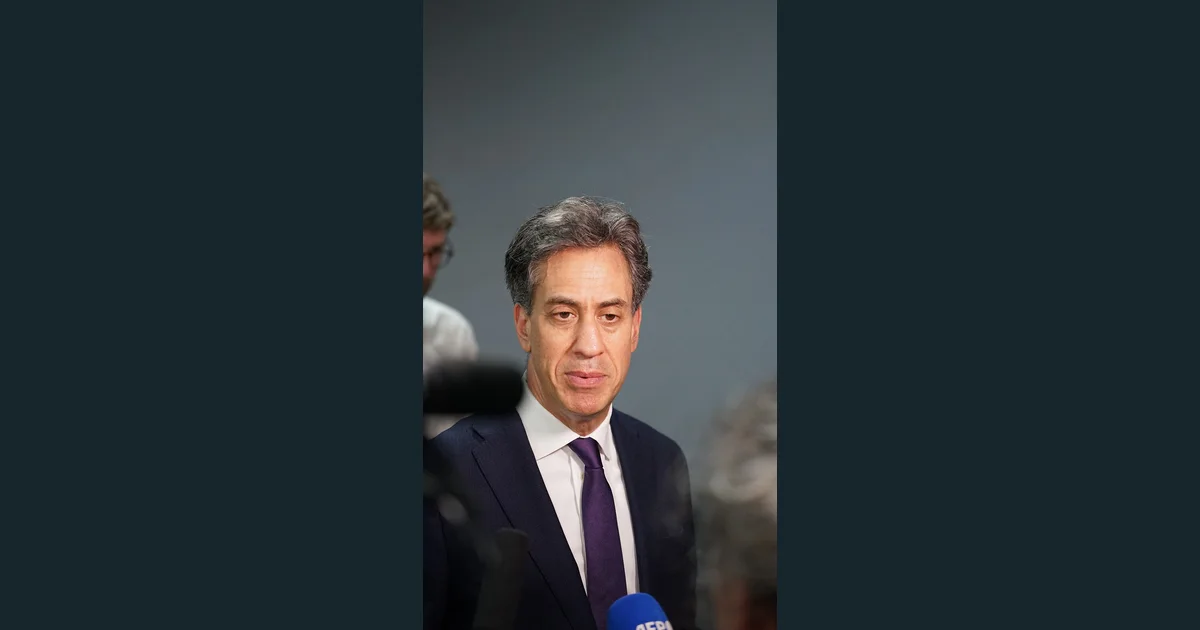
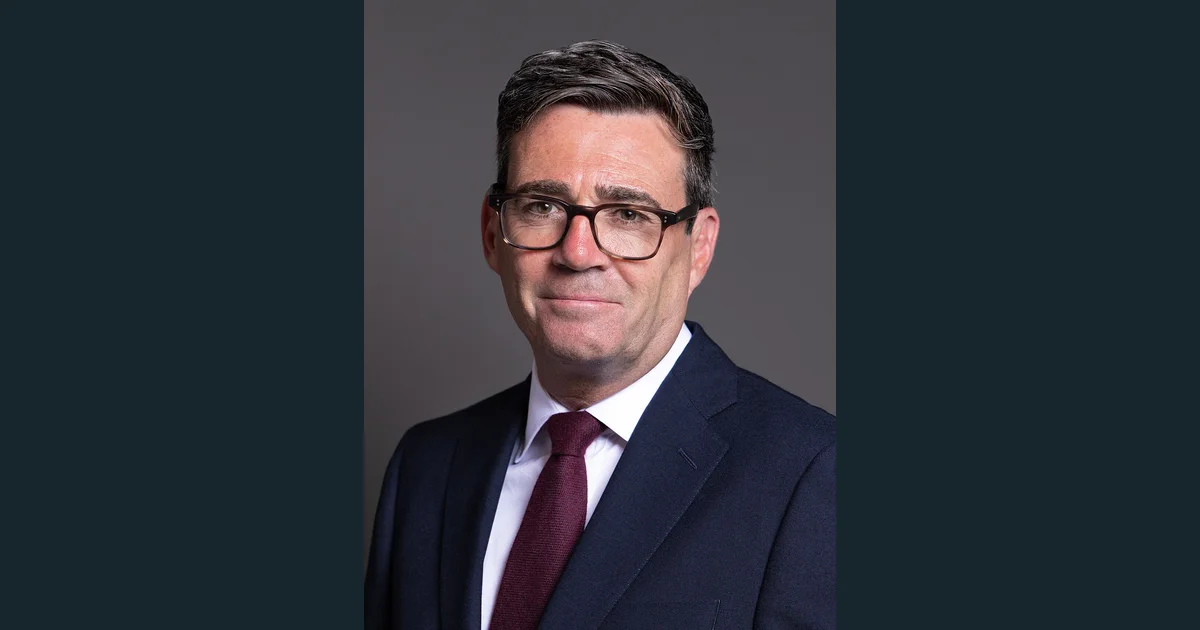
UK Prime Minister Andy Burnham has ruled out reparations but expressed a willingness to engage in discussions regarding debt resets for smaller Commonwealth nations. A spokesperson for the Foreign Office stated the government aims to face the past together while focusing on future equality and security.
Gaston Browne praised Burnham for his approach, noting that the Caribbean region does not intend to make unreasonable demands. However, he emphasized that reparations remain an important issue that will be raised during the dialogue.
Ralph Gonsalves, a former prime minister of St Vincent and the Grenadines, cautioned that development assistance should not be conflated with reparatory justice, noting that the latter requires specific attention to psychological and ecological repair as outlined in the Caribbean Community's 10-point plan.
Labour MP Bell Ribeiro-Addy emphasized that reparative justice must be centered on the agency of those affected, arguing that arrangements made without the direct involvement of affected communities do not constitute true justice.
Context
The Caribbean Community's reparations commission has previously established a 10-point plan that calls for debt cancellation and monetary compensation, citing the intergenerational impact of colonial extraction. The UK government's current offer of infrastructure support is distinct from these demands.
Human rights lawyer Prof Kingsley Abbott noted that victims of historical crimes consistently seek to be made whole, stressing the importance of listening to those who continue to experience the effects of past atrocities.
What happens next
The UK and Caribbean nations are expected to finalize the framework for the structured dialogue by early next year. The discussions are slated to take place within the next 12 months, where the issue of reparations is expected to be formally raised by Caribbean representatives.
Source: The Guardian: Politics
Why it matters
The agreement establishes a formal diplomatic channel for addressing the legacy of slavery, though a fundamental disagreement remains between the UK's focus on development aid and the Caribbean's pursuit of reparations.
What we know
- The UK and Caribbean nations have agreed to a structured dialogue on the legacy of the slave trade to occur within the next year.
- UK Prime Minister Andy Burnham has ruled out slavery reparations.
- The UK government announced funding for critical infrastructure in the Caribbean over the next three years.
- Caribbean nations intend to raise the issue of reparations during the structured dialogue.
What remains unclear
- The specific outcomes of the structured dialogue remain uncertain as the UK and Caribbean nations hold differing positions on the necessity of reparations.
- The exact timeline for the commencement of the dialogue is subject to the establishment of a framework by early next year.
How the story developed
UK and Caribbean nations agree to structured dialogue
Commonwealth leaders announced an agreement to begin a structured dialogue on the legacy of slavery within the next year.
Original source