Footballer Cristian Volpato Licenses AI Clone to Manage Digital Identity
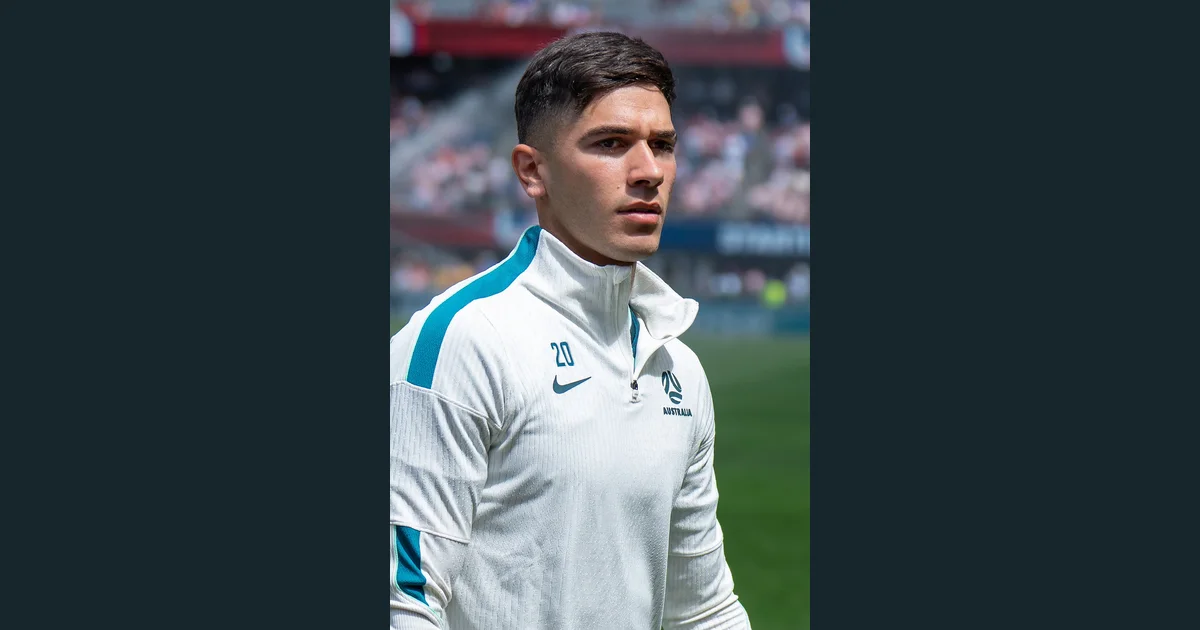
Professional footballer Cristian Volpato has entered a licensing agreement with the California-based company Callandor to manage his AI-generated likeness, voice, and performance data. This move, finalized in mid-September, aims to monetize his digital identity through brand partnerships while providing a mechanism to restrict unauthorized AI content. The agreement reflects a broader industry shift as athletes increasingly seek to assert control over their digital personas amidst the rise of sophisticated deepfake technology and the absence of specific regulatory frameworks in many sporting leagues.
Key points
- Cristian Volpato signed an exclusive deal with Callandor in mid-September to license his AI likeness, voice, and biometric data.
- The agreement allows Callandor to manage brand deals and restrict unauthorized use of Volpato's digital identity.
- The AFL recently ordered Sportsbet to cease using unauthorized AI images of players following a union complaint.
- Legal experts note that current intellectual property laws may not cover AI reproductions due to a lack of human authorship.
- Athletes are increasingly adopting AI licensing as a defensive measure against unauthorized deepfakes.
What happened
Sassuolo midfielder Cristian Volpato has become the latest professional athlete to license his digital likeness to an AI agency. The deal with California-based firm Callandor, signed in mid-September, grants the company exclusive rights to his voice, biometric profiles, and performance data. According to Callandor co-founder Michael Fisk, the partnership is designed to monetize Volpato's image through brand placements while simultaneously protecting his identity from unauthorized use.
The initiative is part of a nascent industry where agencies create synthetic twins of athletes. These digital clones can be deployed for various commercial purposes, including foreign-language voiceovers and interactive fan experiences, potentially allowing athletes to engage with audiences without the time constraints of physical appearances.
Context
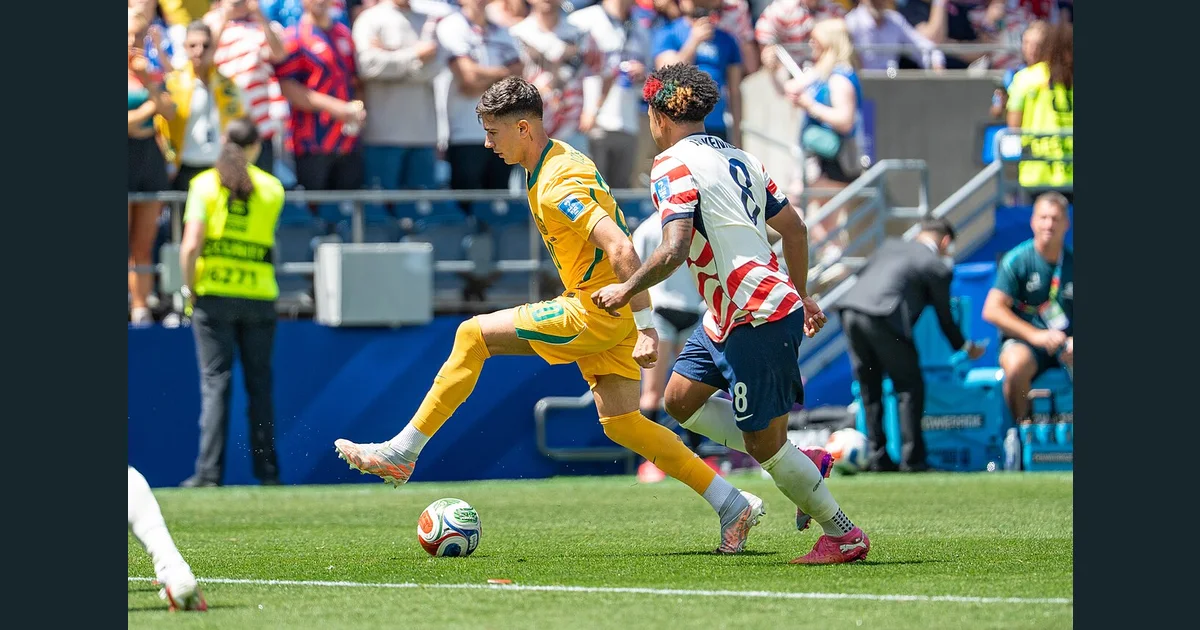
The rise of AI-generated content has prompted athletes to seek greater control over their image rights. In the Australian sports sector, the AFL recently instructed its gambling partner, Sportsbet, to stop using AI-generated player images without consent after the players' union raised concerns. This incident highlights the tension between rapid technological advancement and existing legal protections.
Legal experts, such as Jonathan Harlen of Southern Cross University, suggest that current intellectual property laws present a complex challenge for AI-generated works. Because copyright protection typically requires human authorship, AI reproductions may fall outside traditional legal safeguards, leaving public figures to rely on passing off laws that require proof of economic loss to address unauthorized usage.
What's next
As the industry matures, the effectiveness of AI licensing as a commercial model remains to be seen. While proponents like William Saunders of the startup Hyperknown argue that permission-based AI content will become a new trust standard, it remains unclear whether brands will value AI clones as highly as the real athletes. Meanwhile, global player unions, including Fifpro, continue to advocate for stricter regulations to address the proliferation of deepfakes.
Why it matters
The deal highlights a shift where athletes are proactively licensing their AI likenesses to secure commercial control and combat unauthorized deepfakes.
What we know
- Cristian Volpato signed a licensing deal with Callandor in mid-September.
- Callandor holds exclusive rights to Volpato's digital likeness, voice, biometric profiles, and performance data.
- The AFL instructed Sportsbet to stop using unauthorized AI images of players following a union complaint.
- Neymar licensed his AI likeness to a Chinese-owned platform in June.
- Current Australian sporting league contracts generally do not contain specific provisions regarding AI.
What remains unclear
- Whether current intellectual property laws are sufficient to protect athletes from unauthorized AI reproductions.
- Whether brands will be willing to pay as much for AI-generated athlete content as they do for traditional endorsements.