MIT School of Humanities, Arts, and Social Sciences marks anniversary with focus on AI
The MIT School of Humanities, Arts, and Social Sciences (SHASS) held an anniversary symposium to discuss the school's historical contributions and its evolving role in addressing modern societal challenges. MIT leadership and faculty emphasized the necessity of integrating humanistic perspectives with technical expertise, particularly as artificial intelligence transforms research and education. The event featured discussions on the ethical implications of AI, the importance of historical and cultural context in technological development, and the future of the educational experience.
Key points
- MIT leadership emphasized the need for a human-centered approach to technology and AI.
- Faculty members discussed the potential for AI to reshape teaching, research, and human attachment.
- The school's origins trace back to the 1949 Lewis Committee Report, which advocated for integrating humanities with technical education.
What happened
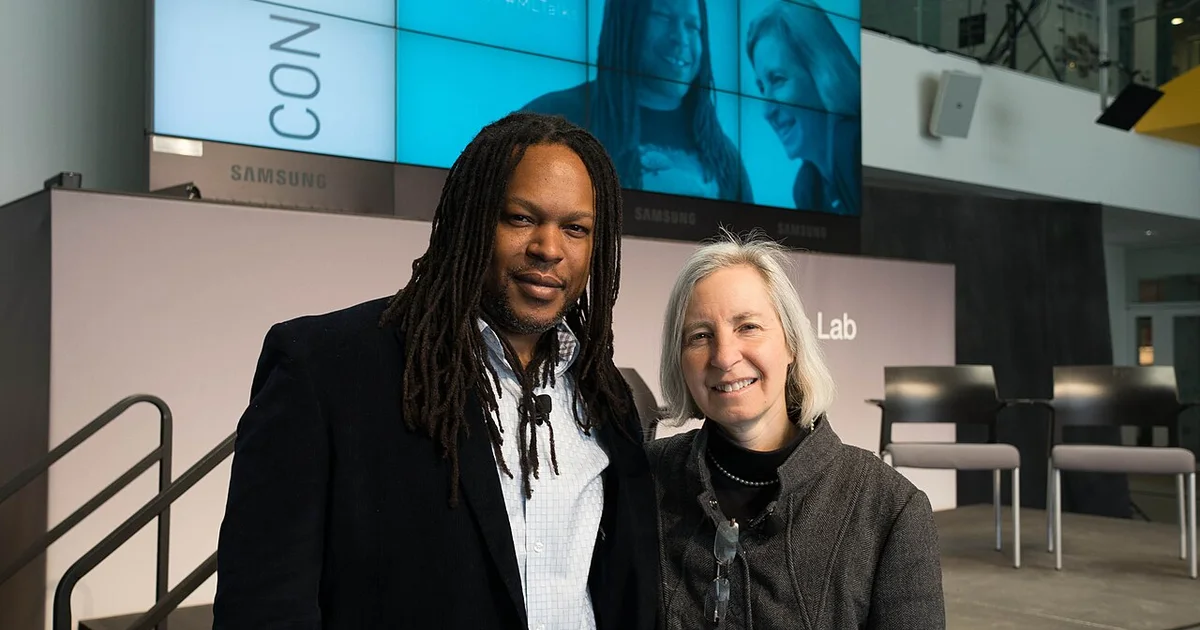
The MIT School of Humanities, Arts, and Social Sciences (SHASS) marked its anniversary with a two-day symposium held in the Linde Music Building's Thomas Tull Concert Hall. The event brought together scholars, students, and alumni to reflect on the school's history and its current mission in a rapidly changing technological landscape.
MIT President Sally Kornbluth and Provost Anantha Chandrakasan opened the event by highlighting the school's vital role in navigating the uncertainties introduced by artificial intelligence. The symposium included research presentations, panel discussions, and performances that explored the intersection of technology, society, and the human experience.
Context
Established following the 1949 Lewis Committee Report, SHASS was designed to bridge the gap between scientific technical training and humanistic scholarship. During the symposium, speakers noted that this mission remains relevant as the institution addresses the broad implications of AI.
The event highlighted several ongoing initiatives, including the MIT Human Insight Collaborative, a strategic project launched in 2024. Faculty members, including Eric Klopfer and Sherry Turkle, debated the pedagogical and social impacts of AI, with some expressing concerns regarding how chatbots might affect human capacity for attachment.
What's next
Faculty and leadership indicated that the school will continue to prioritize interdisciplinary collaboration to address global challenges such as climate change and the societal impacts of AI. Educators are currently working to reassess and evolve their teaching methods to better prepare students for a future shaped by these technologies.
Why it matters
The symposium highlights the ongoing effort at MIT to integrate humanistic inquiry into technical education as AI reshapes research and social structures.
What we know
- The MIT Human Insight Collaborative is a strategic initiative launched in 2024.
- The school's foundation was influenced by the 1949 Lewis Committee Report.
What remains unclear
- Sherry Turkle argues that AI chatbots threaten human capacity for attachment.
- The long-term impact of AI on the structure of the educational experience at MIT remains a subject of ongoing faculty assessment.