France faces political fallout after nationwide student-led protests turn violent
France is grappling with the aftermath of widespread civil unrest that saw hundreds of thousands of people demonstrate nationwide. While the student-led movement began in mid-September to address concerns over overcrowded classrooms, teacher shortages, and economic inequality, the latest mobilization was marked by significant violence, looting, and property destruction in cities including Paris, Marseille, and Limoges. Authorities reported nearly 1,800 arrests and over 500 injuries among security forces. The government, led by Prime Minister Sebastien Lecornu, faces the dual challenge of addressing social discontent while pursuing budget cuts, all within a tense political climate ahead of next year's presidential election.
Key points
- Nationwide protests drew between 550,000 and 800,000 participants.
- Interior Minister Laurent Nunez reported nearly 1,800 arrests and over 500 injuries among police, gendarmes, and firefighters.
- Violence included looting, smashed windows, and fires at public buildings in multiple cities.
- President Emmanuel Macron is scheduled to deliver a televised address following a meeting with government ministers.
- The government and opposition leaders have traded blame for the escalation of violence.
What happened
A nationwide mobilization in France resulted in significant civil unrest, with estimates of turnout ranging from 550,000 according to authorities to 800,000 according to organizers. The protests, which began in mid-September, were initially focused on education reforms and cost-of-living concerns but escalated into widespread violence in several cities.
In Paris, demonstrators and observers reported property damage, including looted shops and destroyed public infrastructure. Similar scenes were reported in Marseille, where protesters broke into city hall, and in Limoges, where a fire engulfed the city hall building.
Who said what
Interior Minister Laurent Nunez condemned the violence, stating that while protesting is a fundamental right, causing disorder is not. Prime Minister Sebastien Lecornu attributed the unrest to far-left groups, accusing them of orchestrating the violence.
Jean-Luc Melenchon, leader of the France Unbowed party, countered by accusing the government of fueling the unrest through what he described as aberrant leadership. Meanwhile, human rights lawyers and the Paris Young Lawyers' Union have raised concerns regarding the police's use of crowd-control measures, which they argue inflame tensions.
Context
The protests are occurring against a backdrop of broader social and economic anxieties, including systemic inequality and lack of opportunity. The government is currently attempting to pass a budget aimed at controlling public finances, which includes spending restraint and potential welfare cuts that have historically faced strong resistance.
Prior to the most recent demonstrations, the French police inspectorate had already opened 36 investigations into alleged police violence related to the ongoing student-led demonstrations.
What happens next
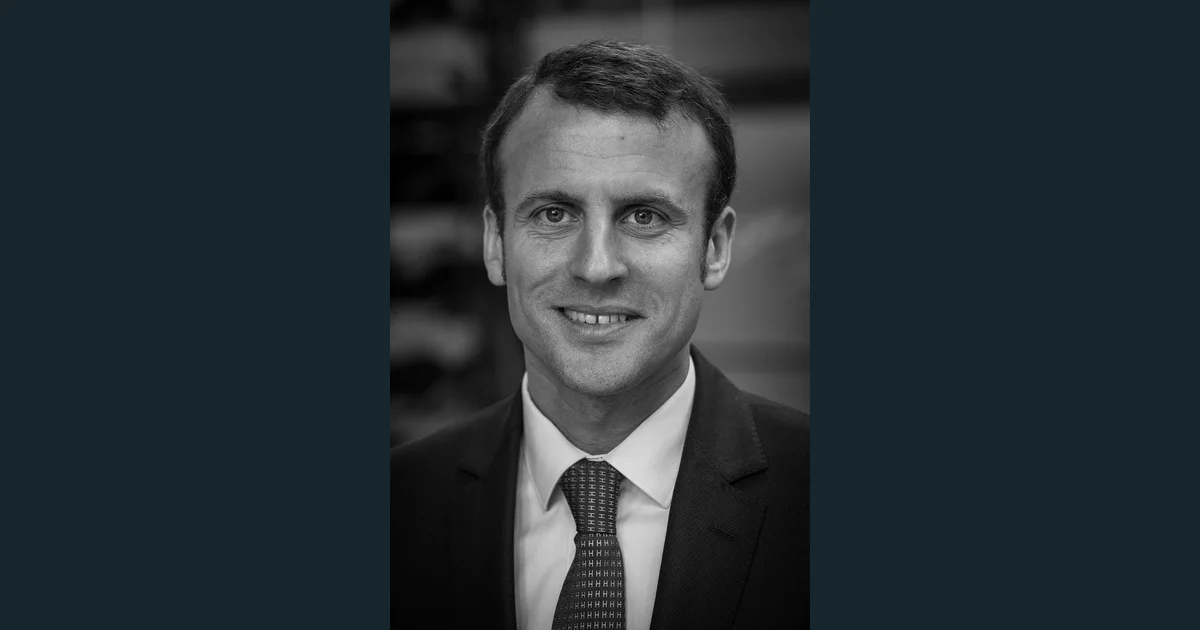
President Emmanuel Macron is set to address the nation in a televised broadcast following a meeting with government ministers. The government remains under pressure to manage public finances while responding to the widespread social discontent.
Why it matters
The unrest highlights a deepening divide between the French government's fiscal austerity plans and public demands for social and educational reform.
What we know
- Nationwide protests in France drew between 550,000 and 800,000 participants.
- Interior Minister Laurent Nunez reported nearly 1,800 arrests and over 500 injuries among police, gendarmes, and firefighters during the unrest.
- The French police inspectorate opened 36 investigations into alleged police violence prior to the recent demonstrations.
- President Emmanuel Macron is scheduled to give a televised address at 18:00 GMT.
What remains unclear
- Prime Minister Sebastien Lecornu's allegation that far-left groups orchestrated the violence remains unverified.
- Jean-Luc Melenchon's claim that the government is fueling the unrest is an allegation.
- The full extent of the damage to public buildings in cities outside of Paris is still being assessed.