New Mexico and Texas Data Centers Threaten Regional Climate Goals
Three massive data centers under construction or planned in southern New Mexico and El Paso, Texas, developed by Oracle, Meta Platforms, and the Carlyle Group at Fort Bliss, threaten to undermine local climate goals and strain regional air quality. According to ProPublica reporting, the combined emissions from the facilities could reach millions of tons annually, while crossing state boundaries without unified federal regulation.
Key points
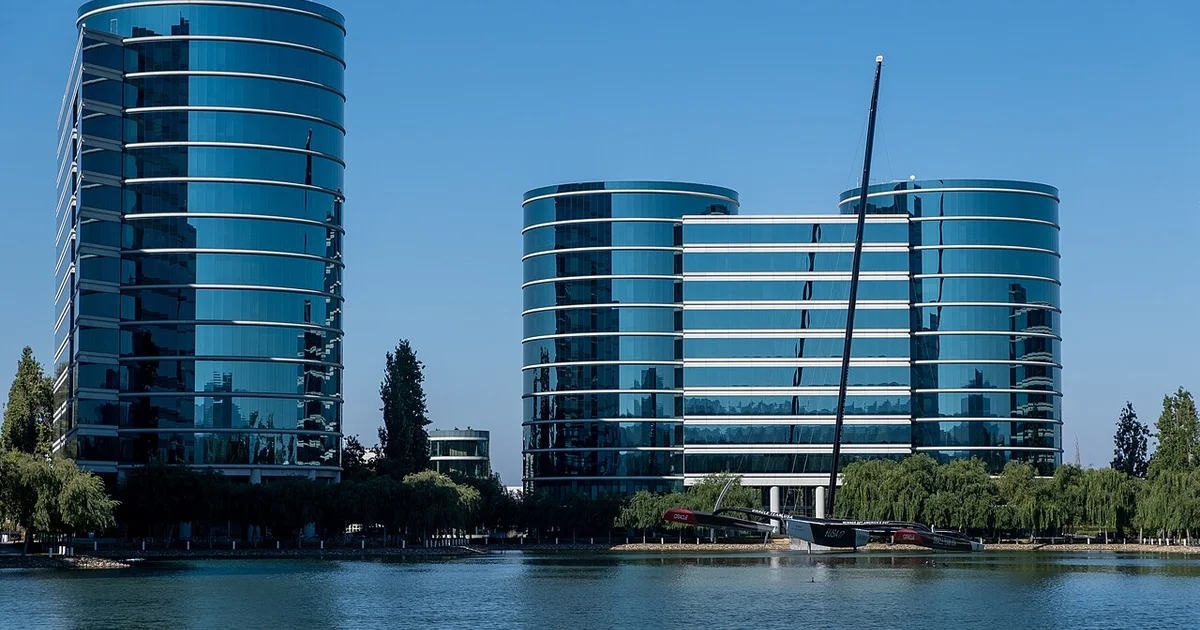
- Project Jupiter in Doña Ana County is built by Oracle and uses fuel cells by Bloom Energy.
- A second data center is under construction in El Paso by Meta Platforms, with a third planned at Fort Bliss.
- ProPublica reports that the combined power plants for Project Jupiter and Meta could emit up to 10 million tons of greenhouse gases annually.
- Regulators across state lines evaluate the projects separately due to the lack of a national climate law.
What Happened
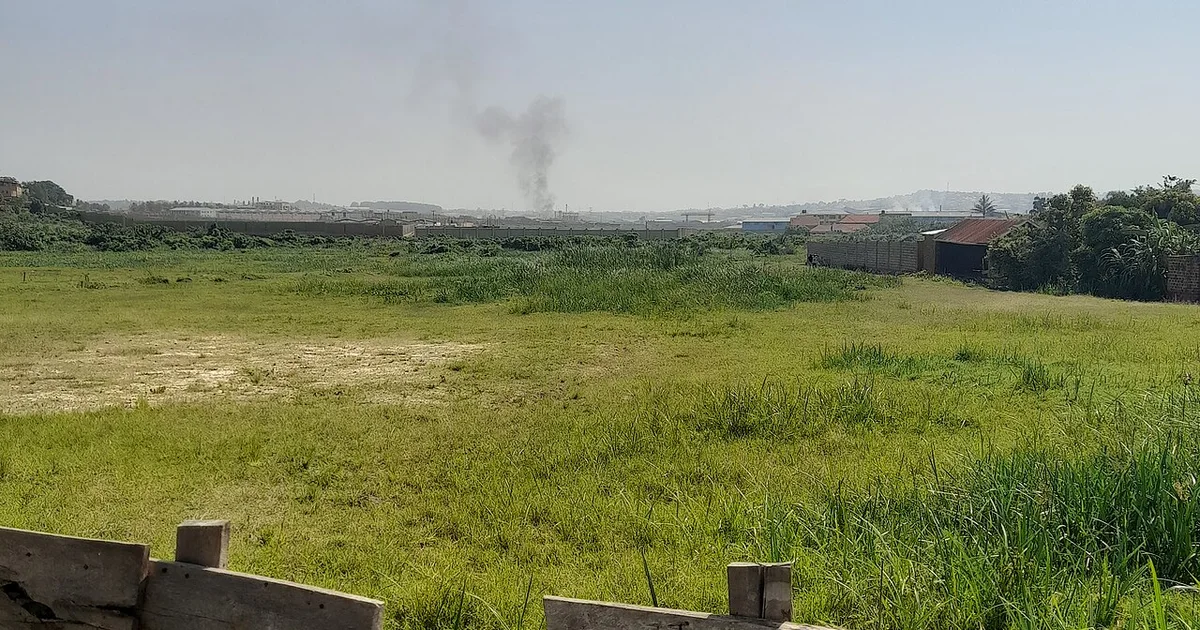
Construction is underway on massive data center developments in southern New Mexico and El Paso, Texas, driven by escalating demand for artificial intelligence services. ProPublica reports that Oracle is building Project Jupiter in Doña Ana County, while Meta Platforms constructs a second facility twenty miles away in El Paso, and a third larger project is planned at the Fort Bliss Army post.
Each data center features its own dedicated power plant. Project Jupiter relies on fuel cells built by Bloom Energy, while the Meta facility is tied to a natural gas power plant. The Army has shared scant details regarding the Fort Bliss project, which remains in exclusive negotiations with the Carlyle Group.
Context
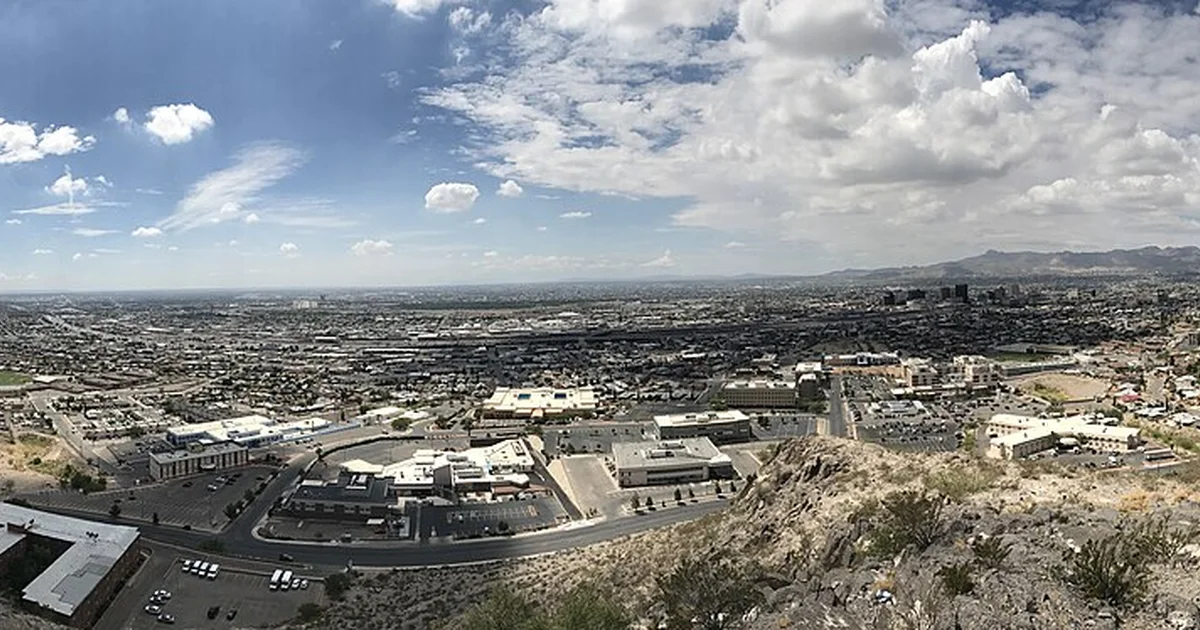
The facilities sit in a population center of 1.2 million people that has experienced rapidly rising temperatures. ProPublica reports that New Mexico and El Paso both adopted climate plans costing millions of dollars to reduce greenhouse gas emissions, but neither plan accounted for the massive energy consumption and emissions of incoming hyperscale data centers.
Because the projects span two states and the United States lacks a federal climate law, regulators have reviewed environmental impacts separately. New Mexico has codified greenhouse gas reduction targets into state law, whereas Texas does not require greenhouse gas disclosures for standard air permits.
What Comes Next
Regulatory and legal hurdles remain for the facilities. ProPublica reports that New Mexico legal challenges over groundwater use and air permits have slowed Project Jupiter, while the Texas Public Utility Commission is reviewing the power plant construction for Meta. Meanwhile, state lawmakers in both Texas and New Mexico anticipate further legislative debates regarding data center regulations, local control, water usage, and electricity costs.
Why it matters
Three massive data centers planned along the New Mexico and Texas border could emit millions of tons of greenhouse gases annually, complicating state climate goals.
What we know
- Three massive data center projects are under construction or planned in the El Paso and southern New Mexico region.
- Oracle is building Project Jupiter in Doña Ana County, Meta Platforms is building a data center in El Paso, and a third project is planned at Fort Bliss.
- ProPublica reports that Texas has 596 data centers either in operation or planned as of early September.
- Oracle stated that Project Jupiter will employ 750 full-time workers and had nearly 3,700 construction workers on site up to early September.
What remains unclear
- The exact level of greenhouse gas emissions from the Fort Bliss data center remains unclear due to scant information shared by the Army.
- The final outcome of ongoing legal challenges and pending regulatory permits in New Mexico and Texas is uncertain.
How the story developed
ProPublica publishes report on border data center emissions
ProPublica reports on how three large data center projects in New Mexico and Texas could disrupt regional climate and air quality goals.
Original source