Ukrainian Experts Urge Unesco Protection for Re-emerged Great Meadow After Dam Destruction
Following the destruction of the Nova Kakhovka dam on 6 June 2023, the vast Dnipro River floodplain known as the great meadow has rapidly regenerated into a landscape of wetlands and grasslands. A coalition of over 100 Ukrainian NGOs is petitioning Unesco to designate the area as a world heritage site, citing its unique natural and historical significance. While the Ukrainian government has initiated preliminary plans with state-owned Ukrhydroenergo to eventually rebuild the dam for agricultural irrigation, experts argue that reconstruction would constitute an act of ecocide following the dam's initial construction and subsequent destruction.
Key points
- The Nova Kakhovka dam was destroyed on 6 June 2023, draining a 2,155 sq km reservoir.
- The exposed riverbed has naturally regenerated into a diverse ecosystem of wetlands and grasslands.
- Archaeologists have discovered significant historical artifacts, including ancient vessels and settlement remains, on the newly exposed land.
- Over 100 Ukrainian NGOs are supporting a bid for Unesco world heritage protection for the area.
- The Ukrainian government has established a pilot project with Ukrhydroenergo to prepare for the dam's potential reconstruction.
What happened
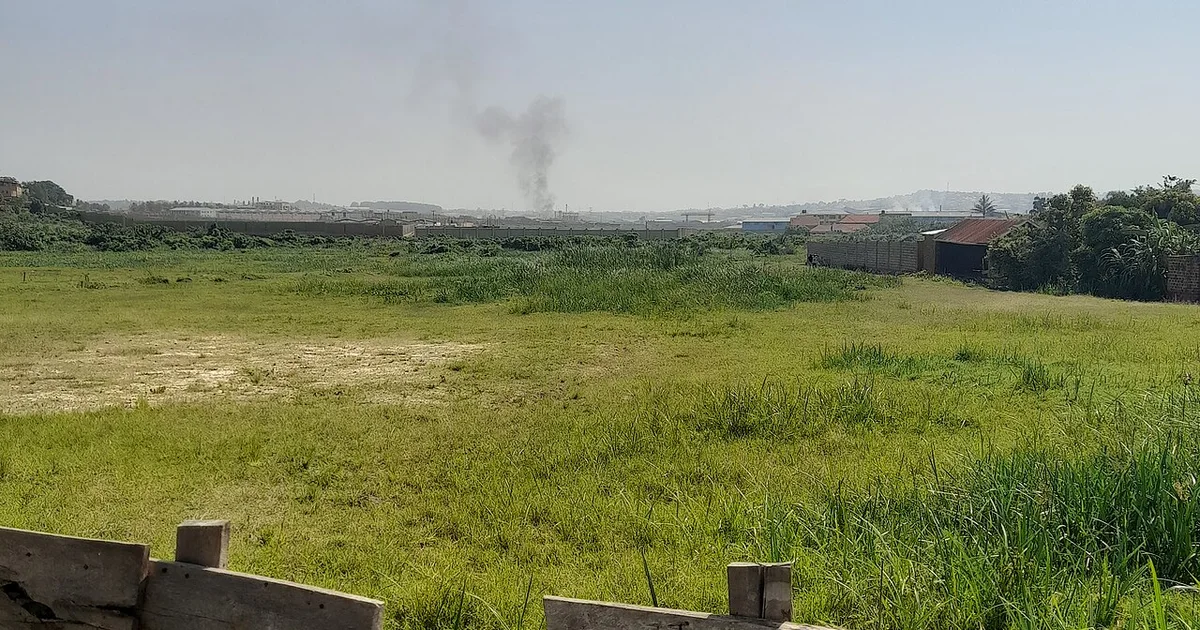
The destruction of the Nova Kakhovka dam on 6 June 2023 caused the drainage of a massive reservoir, revealing 2,155 square kilometres of land known as the great meadow. This area, which had been submerged since the 1950s, has rapidly returned to a natural state, featuring wetlands, grasslands, and islands that hold significant historical and archaeological value.
Archaeologists working in the region have uncovered a variety of artifacts, ranging from bronze-age tools and Scythian ceramics to 18th-century warships. Researchers note that the area remains a volatile grey zone near the frontline, with ongoing military activity and shelling presenting constant risks to both the environment and the research teams.
Context
The great meadow holds profound symbolic importance in the Ukrainian national narrative as the historical stronghold of the Zaporizhzhian Cossacks. Experts, including those from the national Institute of Archaeology, argue that the area's re-emergence offers a unique opportunity to preserve a natural and cultural environment that predates the dam's construction.
While conservationists advocate for permanent protection, the Ukrainian government has engaged with the state-owned hydroelectric company Ukrhydroenergo to prepare for the dam's reconstruction after the war, citing the need to irrigate southern farmlands. Proponents of the Unesco bid argue that rebuilding the dam would destroy the newly restored ecosystem.
What's next
A letter of intent has been submitted to Unesco, and organizers are seeking cooperation from the Ukrainian government's culture ministry to advance the protection bid. The future of the site remains uncertain as it sits between competing interests: those seeking to restore agricultural irrigation through the dam's reconstruction and those prioritizing the preservation of the re-emerged natural and historical landscape.
Why it matters
The debate over the great meadow highlights a critical tension between post-war economic reconstruction needs and the preservation of newly restored, ecologically and historically significant landscapes in a conflict zone.