Israel Election Final Results Leave Knesset Without Clear Majority
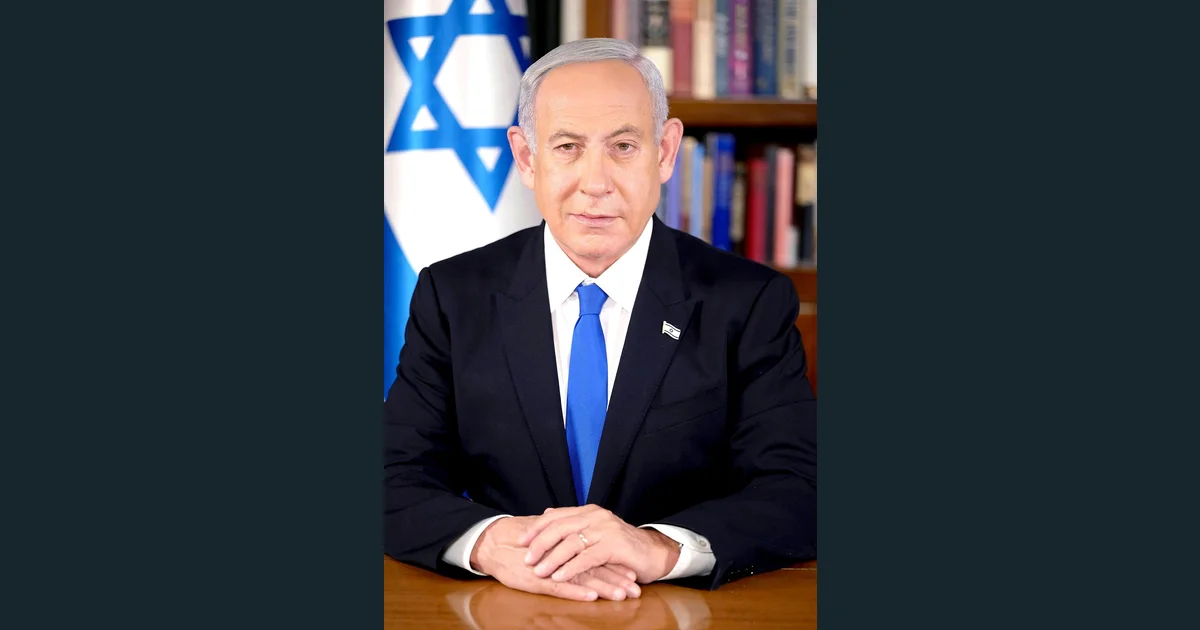
Following the publication of final results by Israel's Central Elections Committee, neither Prime Minister Benjamin Netanyahu's bloc nor the opposition led by Gadi Eisenkot has secured the sixty-one seats necessary to form a government. Al Jazeera reports that voter turnout reached seventy-seven point nine percent, with Netanyahu's bloc winning fifty-three seats, Eisenkot's opposition winning forty-eight seats, and Arab-led electoral lists securing nineteen seats. Political consultations are underway, while analysts discuss potential coalition options, outside support agreements, or the possibility of a new election.
Key points
- The Central Elections Committee published final results for the October twenty-seventh vote following the counting of double envelope votes from soldiers and diplomats, according to Al Jazeera.
- Benjamin Netanyahu's bloc secured fifty-three seats, Gadi Eisenkot's opposition won forty-eight seats, and Arab-led parties secured nineteen seats in the one hundred twenty-member Knesset.
- Forming a government requires at least sixty-one seats, leaving neither major bloc with a clear path to a majority without coalition partners or outside support.
- Prime Minister Netanyahu and other leaders have rejected partnerships with Arab-led parties, while analysts debate whether opposition figures might rely on outside support from Ra'am or the Joint List.
What Happened
Israel's Central Elections Committee published the final results of the October twenty-seventh election, confirming that no clear winner has emerged from the vote, according to Al Jazeera. Voter turnout reached seventy-seven point nine percent after approximately five hundred thousand double envelope votes from soldiers and diplomats were counted.
In the one hundred twenty-member Knesset, Prime Minister Benjamin Netanyahu's bloc secured fifty-three seats, while the opposition bloc led by Gadi Eisenkot won forty-eight seats. The United Arab List, known as Ra'am, and the Joint List secured a combined nineteen seats. A political party or alliance must hold at least sixty-one seats to form a government.
Who Said What
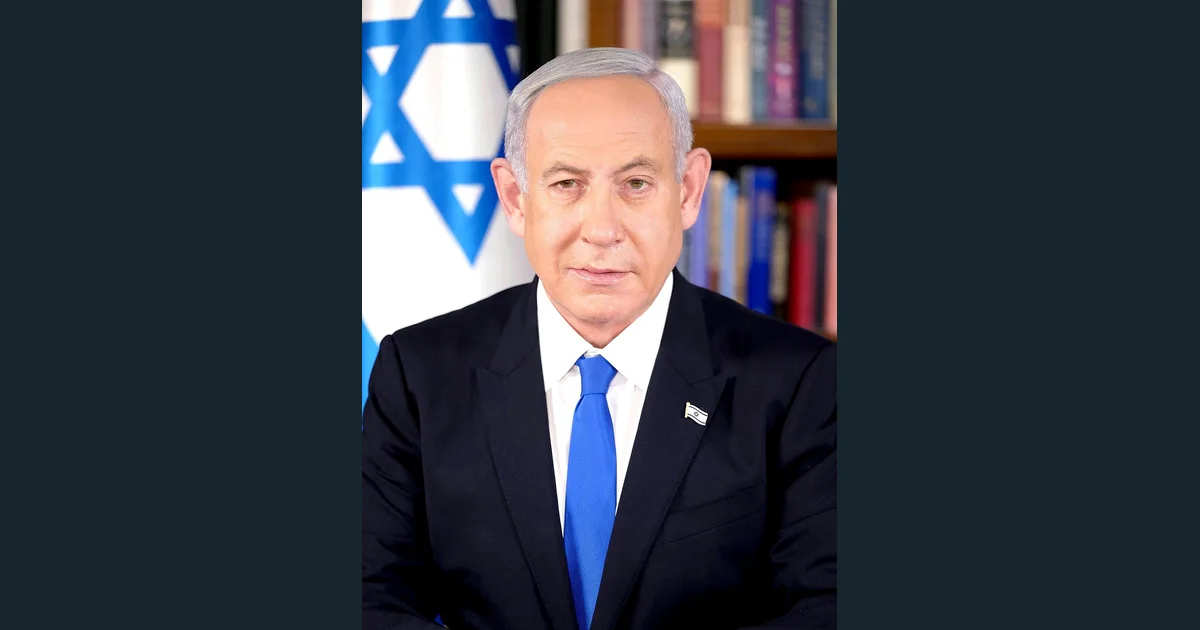
Prime Minister Netanyahu criticized Arab-led parties on X, stating that it is forbidden to form a government with them, and his Likud party accused the Arab-led parties of stealing the election after his coalition lost its majority. Opposition figure Avigdor Lieberman also ruled out certain coalitions, stating neither Bibi nor Tibi.
Yousef Jabareen from the Joint List stated that his party was ready for the ousting of the Netanyahu government, advocating for a Jewish-Arab partnership. Political analyst Ahmed Najar noted that parties representing Palestinian citizens of Israel showed pragmatism by indicating openness to participating in or supporting an Eisenkot-led government, but criticized Eisenkot and his partners for excluding Palestinian citizens from legitimate political partnership.
Context
Political consultations to form a coalition are underway. If the process fails, Israeli President Isaac Herzog can choose a candidate with the best chance of forming a government and grant them about twenty-eight days to do so. If that fails, other legislative and presidential procedures apply, which could ultimately lead to another round of elections.
Analysts interviewed by Al Jazeera discussed various coalition arithmetic options. Roi Zur noted that numbers do not add up cleanly for either side and raised doubts about whether Lieberman would support a government relying on Arab parties. Nimrod Flaschenberg suggested that Netanyahu might push for a new election in the belief that his bloc could reach sixty-one seats in a fresh vote.

What Happens Next
Political leaders face a strict legislative framework of coalition consultations and potential presidential designations. Should all attempts to form a governing coalition fail within the allotted windows, Israelis may be forced to return to the polls for another election.
Why it matters
Final election results leave Israel without a governing majority, forcing complex coalition talks or potentially a repeat election, according to Al Jazeera reporting.
What we know
- Al Jazeera reports that the Central Elections Committee published the final results of the October twenty-seventh vote.
- Al Jazeera reports voter turnout was seventy-seven point nine percent.
- Al Jazeera reports Netanyahu's bloc secured fifty-three seats in the Knesset.
- Al Jazeera reports Eisenkot's opposition bloc won forty-eight seats.
- Al Jazeera reports the United Arab List and the Joint List secured a combined nineteen seats.
- Al Jazeera reports forming a government requires at least sixty-one seats.
What remains unclear
- Whether Gadi Eisenkot is willing to rely on Ra'am and the Joint List for government formation or outside support.
- Whether Benjamin Netanyahu will successfully persuade members of the opposition to join his coalition or successfully push for another round of elections.
How the story developed
Central Elections Committee publishes final election results
Al Jazeera reports the Central Elections Committee published the final results of the October 27 vote, confirming that neither major bloc secured a majority.
Original source