Researchers warn of 99 percent population collapse in rare Fijian masked bee
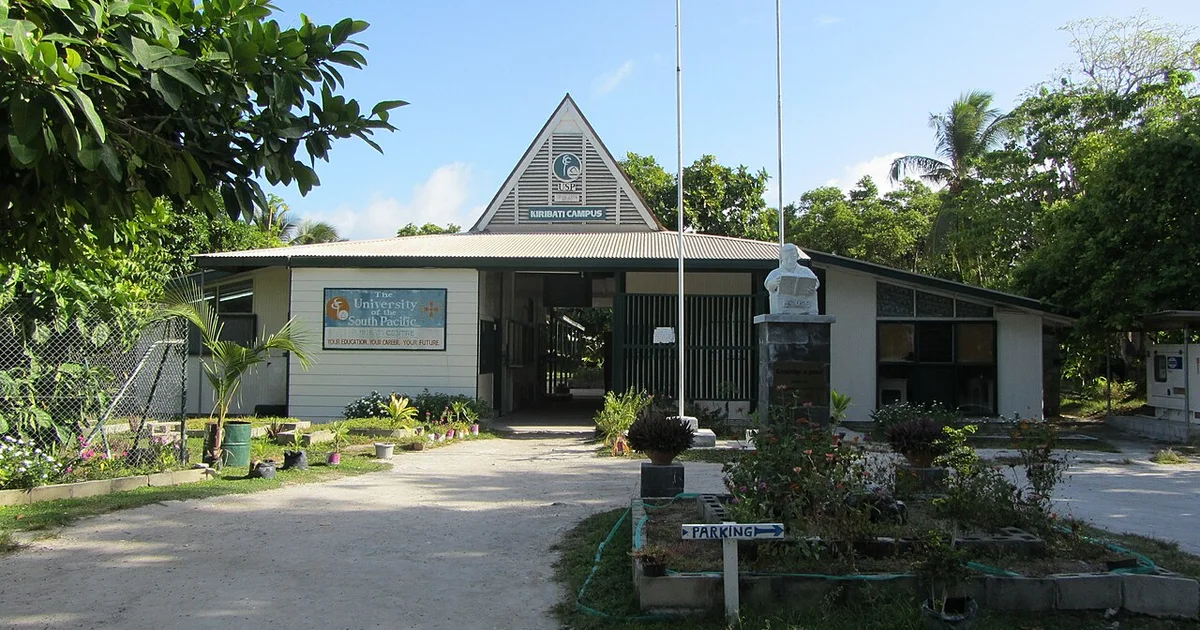
A newly described bee species native to Fiji, Hylaeus navai, has experienced a 99 percent population decline over the past 150 years, according to researchers from the University of Wollongong. Published in the journal Ecology and Evolution, the study suggests the species is at risk of silent extinction. Scientists attribute the collapse to historical colonization, habitat destruction, and potential pesticide use, alongside threats from invasive plants and natural weather events. Researchers are now partnering with the University of the South Pacific to train local students to monitor the species.
Key points
- The Hylaeus navai bee, formally described in 2024, has seen a 99 percent population drop since the mid-19th century.
- Researchers recommend the species be classified as critically endangered.
- Threats include habitat loss, pesticide exposure, and the African tulip tree, which is poisonous to bees.
- A new partnership between the University of Wollongong and the University of the South Pacific aims to facilitate year-round monitoring.
What happened
Scientists have identified a severe population decline in the Hylaeus navai, a tiny masked bee species found in Fiji. Research published this week in the journal Ecology and Evolution indicates that the species has suffered a 99 percent collapse in population over the last 150 years. The bee, which is smaller than a grain of rice, was only formally described by science in 2024.
Context
Evolutionary biologist James Dorey and researcher Tegan Edwards conducted the study, which involved field research in Fiji. Dr. Dorey first encountered the bee in 2016 and conducted further observations in 2019. Genomic analysis of the bees allowed the team to estimate historical population sizes and identify trends. The researchers suggest that the decline aligns with the onset of colonization in Fiji, which introduced significant environmental pressures including habitat destruction and the use of pesticides.
Beyond human-driven factors, the bees face risks from natural events like cyclones and the presence of the African tulip tree, which is toxic to many bee species. The research team emphasizes that because the bee is so small and under-studied, it risks extinction before its ecological role is fully understood.
What's next
To address the lack of data, the University of Wollongong has secured a federal government grant to establish a partnership with the University of the South Pacific. This initiative aims to train local students in Fiji to perform the specialized field work required to monitor the bees year-round, as the insects are difficult to locate and capture.