Wildfires and Drought in West Kalimantan Leave Wildlife Without Fresh Water
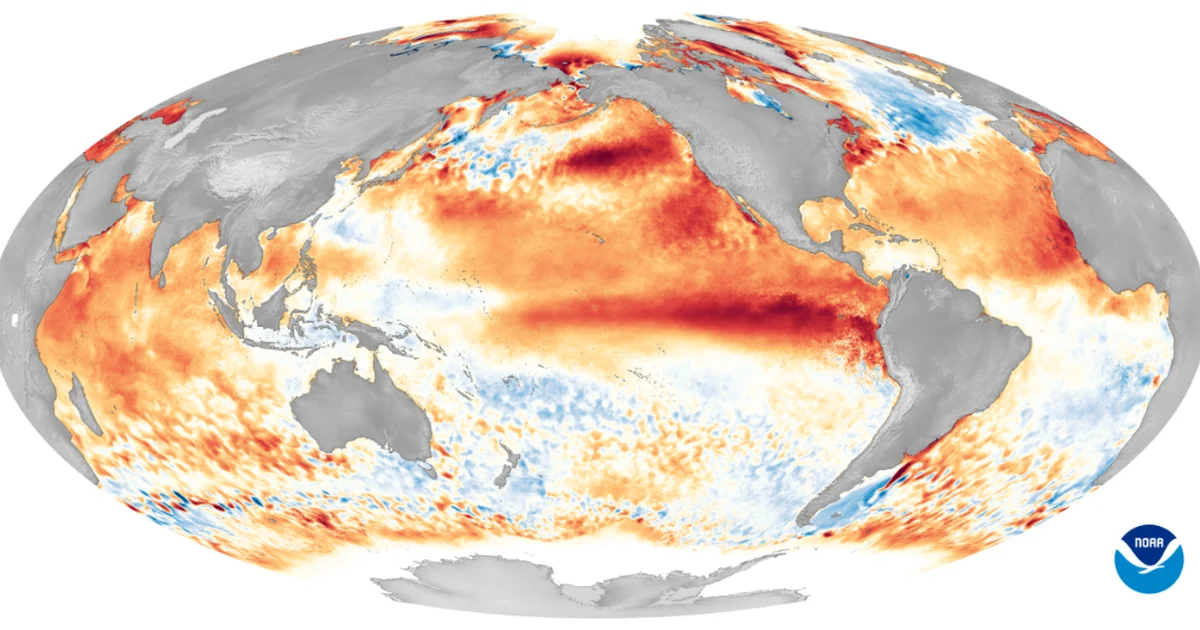
An intense fire season in West Kalimantan, Indonesia, exacerbated by strong El Niño conditions, has severely depleted freshwater sources for local wildlife. Conservation groups report that animals are suffering from dehydration and displacement as forest pools dry up and coastal wetlands face saltwater intrusion. Organizations including Yayasan Planet Indonesia and YIARI are actively rescuing affected animals and establishing emergency water stations to mitigate the crisis, which experts warn also threatens local food security.
Key points
- Wildfires and drought have caused a critical shortage of fresh water for wildlife in West Kalimantan.
- Yayasan Planet Indonesia recorded 16 animal deaths between early August and late September 2026.
- YIARI has rescued 43 orangutans from fire-affected areas since August 2026.
- Saltwater intrusion is affecting raw-water sources in the provincial capital, Pontianak.
- Conservationists warn that the crisis is linked to climate change and inadequate peatland management.
What happened
Intense wildfires and prolonged dry conditions in West Kalimantan have caused a significant loss of freshwater habitats. As forest pools dry up and village ponds turn brackish, wildlife are increasingly moving toward human settlements and the coast in search of water. The Indonesian Meteorology, Climatology and Geophysics Agency (BMKG) reports that the country is experiencing a strong El Niño, with conditions expected to persist into early 2027.
Context
Data from the Nusantara Atlas FireWatch platform indicates that 895,657 hectares burned nationwide between January and August 2026. West Kalimantan accounted for approximately 79,391 hectares of this total. The lack of rainfall has allowed saltwater to push further inland, affecting raw-water sources in Pontianak and forcing the city to import freshwater from Kubu Raya. Conservationists note that the degradation of coastal peatlands and the drainage of peat for plantations exacerbate the fire risks during dry seasons.
What's next
Conservation groups are calling for sustained patrols and improved preparedness, including better resource allocation for firefighting and long-term improvements in peatland management. Experts emphasize that without addressing climate change and land-use policies, communities and wildlife will remain vulnerable to similar crises during future dry seasons.
Why it matters
The crisis highlights the intersection of climate-driven extreme weather and land-use practices, demonstrating how the loss of freshwater ecosystems impacts both biodiversity and human food security in coastal regions.
What we know
- Yayasan Planet Indonesia recorded 16 dead animals in Kubu Raya between early August and late September 2026.
- YIARI has rescued 43 orangutans from Ketapang and North Kayong since August 2026.
- Saltwater intrusion has affected raw-water sources in Pontianak, requiring the city to import freshwater.
- Nusantara Atlas data shows 79,391 hectares burned in West Kalimantan between January and August 2026.