How China Shifted Its Strategy to Define and Adopt the Term Global South
President Xi Jinping's heavy usage of the term Global South at international summits reflects a notable evolution in China's diplomatic language. Initially viewing the phrase as a Western concept intended to marginalize Beijing, China subsequently shifted its approach to define the term on its own terms as the family of emerging markets and developing countries.
NewsRadar AI DeskPublished Oct 12, 2026, 12:35 AM UTCUpdated Oct 12, 2026, 12:34 AM UTC · 0 updates
1 source 4 min read 0 views
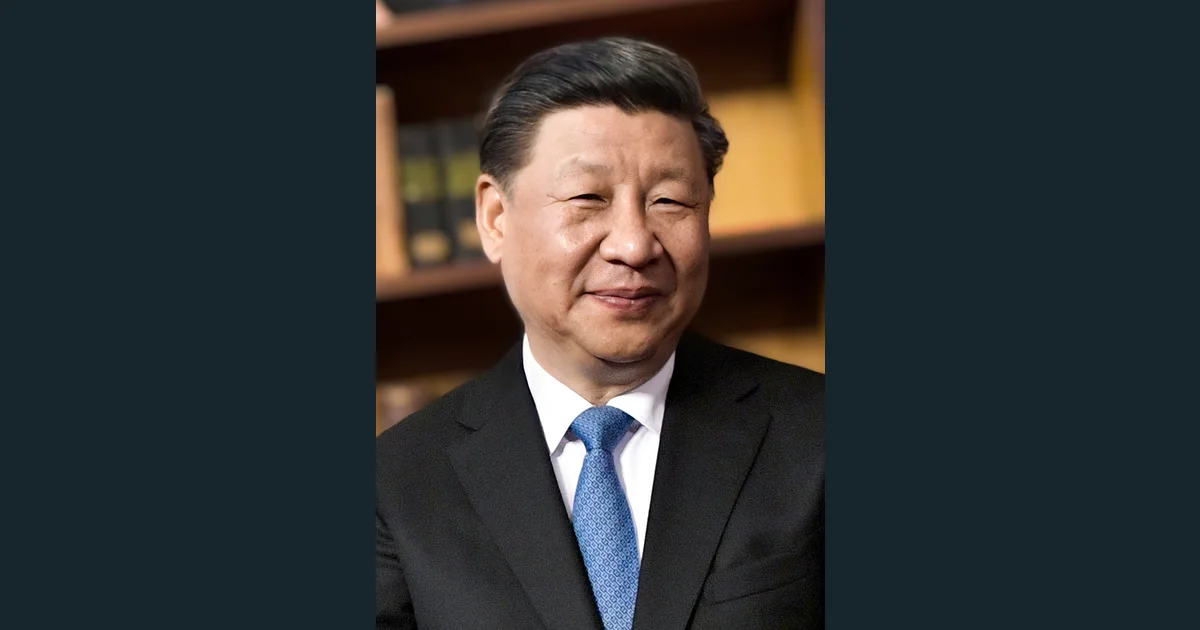
Related archive image: Xi Jinping portrait 2019 (cropped 2).jpg. Not a photograph of this news event. Resized with padding to preserve the full portrait. Credit: Press Service of the President of the Russian Federation / Roman Kubanskiy (Wikimedia Commons).
A Philadelphia police officer was killed and a second officer was wounded during a shooting in West Philadelphia on Saturday morning. The officers were responding to a report of a man with a gun when the incident occurred. The surviving officer was transported to Penn Presbyterian Medical Center for surgery and is reported to be in stable condition. A suspect, identified by the Philadelphia Inquirer as 35-year-old Eric Lewis, is currently in custody.
President Xi Jinping heavily used the term Global South in speeches at the Shanghai Cooperation Organisation summit in Bishkek and the BRICS summit in Delhi.
China initially viewed the Global South as a Western-originated concept designed to divide developing nations.
Following policy shifts, officials such as Foreign Minister Wang Yi and Foreign Ministry Spokesperson Mao Ning began adopting the term.
China ultimately defined the Global South as the family of emerging markets and developing countries, gradually dropping quotation marks from official usage.
What Happened
Ahead of a U.S.-China summit, President Xi Jinping attended the Shanghai Cooperation Organisation summit in Bishkek, Kyrgyzstan, and the BRICS summit in Delhi, alongside a visit to the Middle East. During speeches at both gatherings, Xi frequently used the term Global South, reflecting China's positioning of these events as representatives of the Global South.
This marked an evolution from Beijing's earlier stance. China had previously been wary of the phrase, viewing it as a Western-originated concept intended to drive a wedge between China and the developing world.
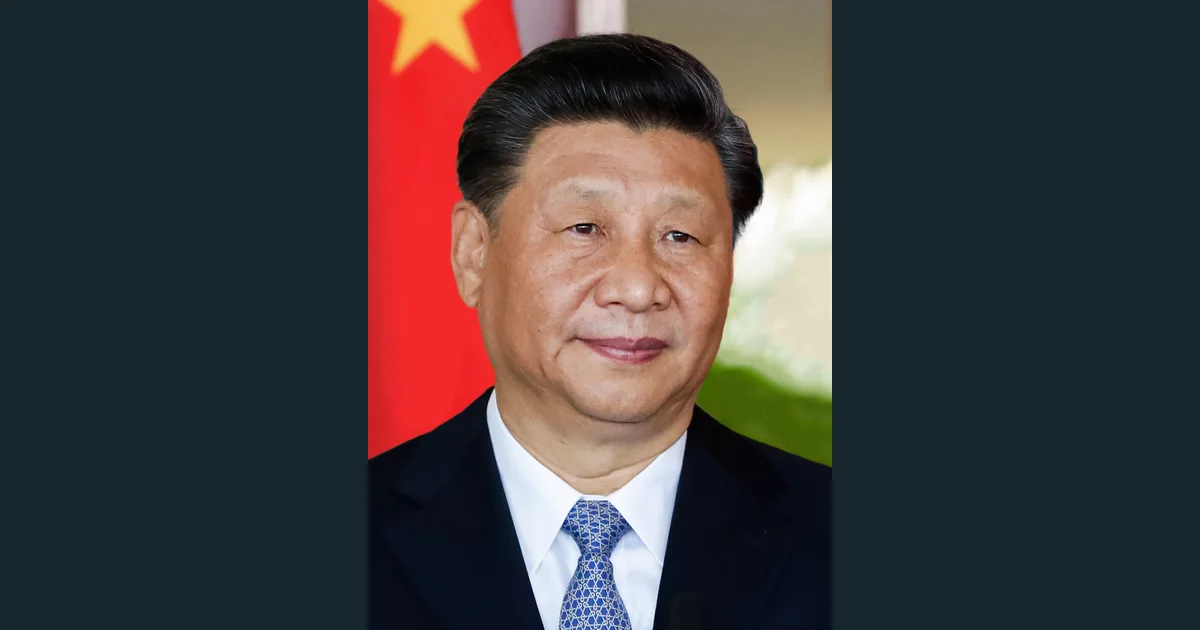
Context for Xi Jinping. Related archive image: Xi Jinping 2019 (49060546152) 2.jpg. Not a photograph of this news event. Resized with padding to preserve the full portrait. Credit: Palácio do Planalto. Image source · Image licence
Who Said What
Following the enactment of China's Foreign Relations Law, Foreign Minister Wang Yi began using the term Global South at international conferences, initially enclosing it in quotation marks. At a meeting in Johannesburg, Foreign Ministry Spokesperson Mao Ning provided an official definition, stating that the Global South represents the family of emerging markets and developing countries.
Wang Yi outlined independence, development, and justice as the defining qualities of the Global South, asserting that China is a natural member and will remain part of the developing world.
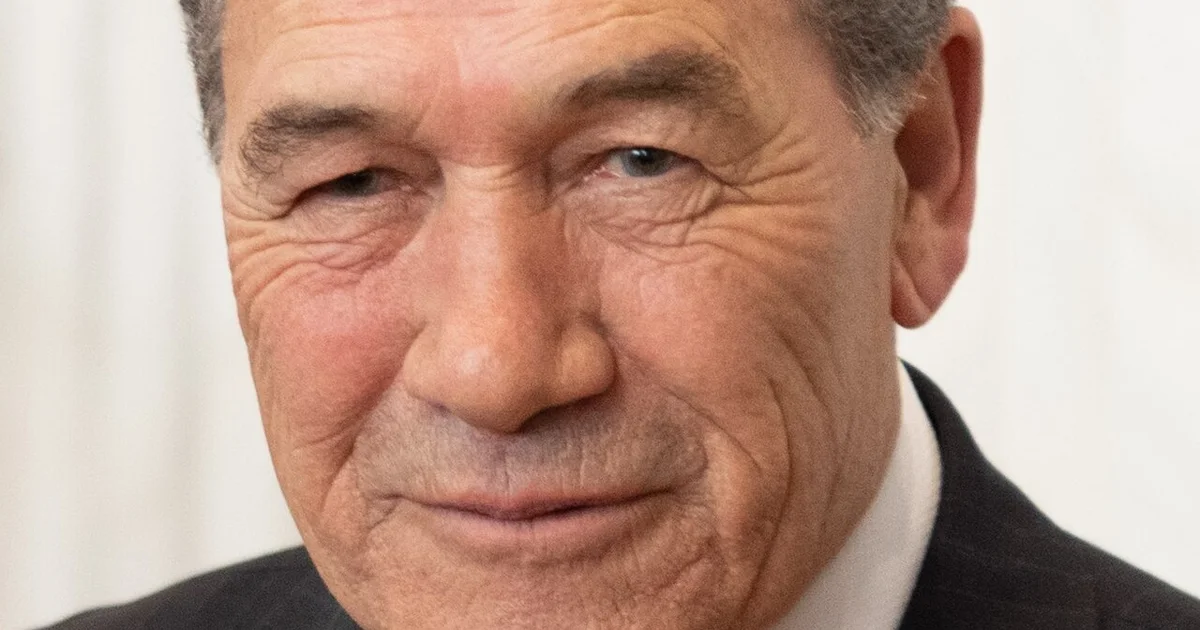
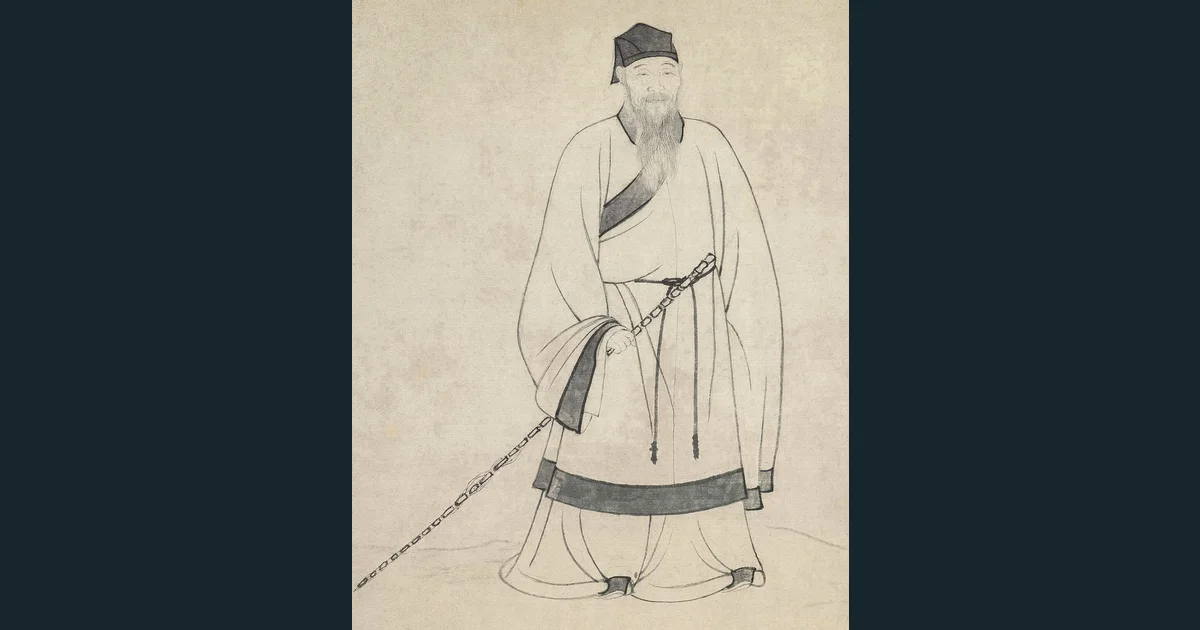
Context for Wang Yi. Related archive image: Wang Yi 1363 (cropped).jpg. Not a photograph of this news event. Resized with padding to preserve the full portrait. Credit: Wang Yi(王繹) and Ni zan(倪瓚). Image source · Image licence
Context
In academic usage, the Global South originally implied that South issues exist within developed countries as well, making the North-South divide non-spatial. International usage shifted following the war in Ukraine, when Western countries began delineating advanced democracies from an axis including China and Russia, categorizing remaining nations as the Global South.
Another turning point for Beijing appeared to be India's hosting of the online Voice of Global South Summit, to which China was not invited.
What Happens Next
While China has offered no official explanation for its policy shift, analysts interpret it as a deliberate move to define the term on its own terms and influence global discourse, an effort tied to what Beijing terms discourse power.
Chinese documents and publications eventually dropped quotation marks around the term. Although occasional inconsistencies remained, Xi Jinping's use of the Global South at subsequent SCO and BRICS meetings carried no quotation marks, signaling its integration into official messaging.
THE BIGGER PICTURE
Why it matters
The contest over the term Global South highlights differing worldviews between developed nations and China. By redefining the term to mean emerging markets and developing countries, China seeks to influence international discourse and anchor its diplomatic identity as a leader of the developing world.
What we know
President Xi Jinping used the term Global South in speeches at the SCO summit in Bishkek and the BRICS summit in Delhi.
Foreign Ministry Spokesperson Mao Ning defined the Global South as the family of emerging markets and developing countries.
China's official usage of the term transitioned from using quotation marks to omitting them entirely in official documents.
What remains unclear
China has offered no official explanation for the specific policy shift regarding its adoption and definition of the Global South.
How the story developed
Report on China's Global South Terminology Published
An analysis examining China's strategic shift in adopting the Global South terminology was published by The Diplomat.
Ahead of the 2026 general election, New Zealand Foreign Minister Winston Peters defended his government's foreign policy approach, describing international conditions as the worst since 1945. Speaking to the Institute of International Affairs, Peters argued that a National-led coalition strategy of quiet diplomacy and realism has served national interests. However, analysis points to ongoing debate over whether New Zealand should continue its current approach or realign with other small and middle powers dependent on international rules.
School bus operators in the Western Cape have temporarily suspended strike action following a one-day protest that disrupted transport for approximately 22,000 learners. The operators, represented by the SA National Small Bus Operators Council, are demanding a review of existing contracts with the Western Cape Education Department (WCED) to account for an 80% increase in diesel prices since January. A meeting between the council and the department is set for Friday to discuss potential financial relief and the long-term viability of transport services. The outcome of these discussions is critical for 71,000 learners who rely on the service, particularly as final examinations for matric students approach.
Thousands of protesters, including trade union members and students, marched in Brussels to oppose government spending cuts, wage indexation changes, and education reforms. While the main trade-union march remained peaceful, violence erupted near railway stations, with some individuals throwing objects and fireworks at police. Officers responded with water cannons and tear gas, resulting in over 100 detentions by Friday evening.
· 1 source 3 min read 0 views
China's Strategic Shift in Adopting and Defining the Global South