New Zealand Foreign Policy Faces a Critical Choice as Winston Peters Defends Realism
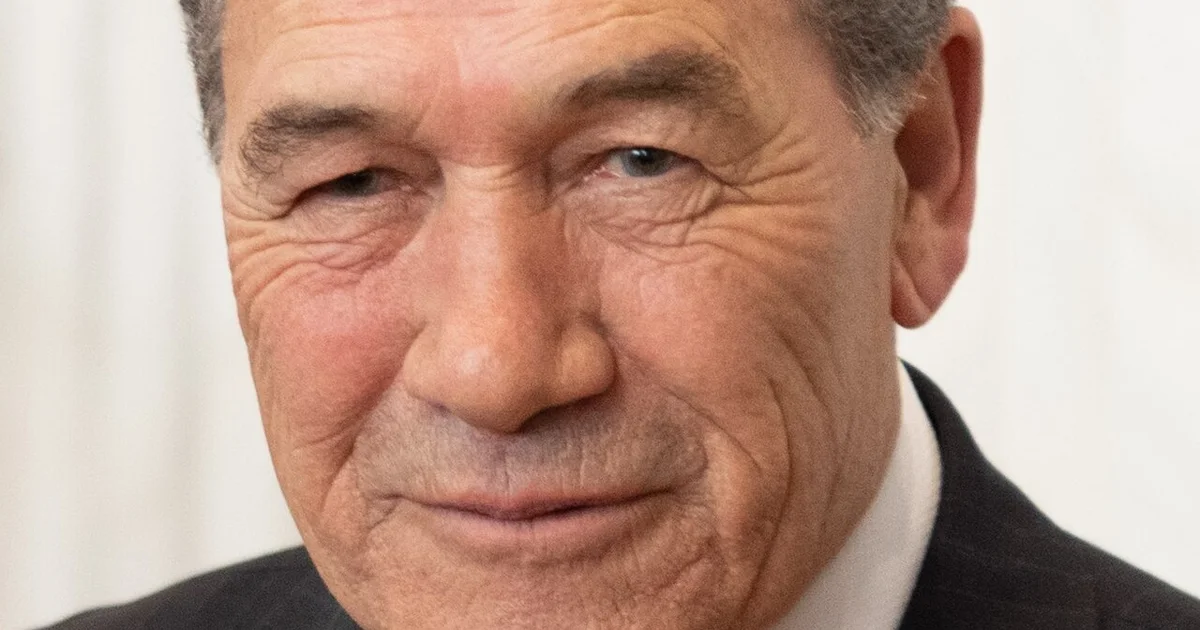
Ahead of the 2026 general election, New Zealand Foreign Minister Winston Peters defended his government's foreign policy approach, describing international conditions as the worst since 1945. Speaking to the Institute of International Affairs, Peters argued that a National-led coalition strategy of quiet diplomacy and realism has served national interests. However, analysis points to ongoing debate over whether New Zealand should continue its current approach or realign with other small and middle powers dependent on international rules.
Key points
- Foreign Minister Winston Peters stated New Zealand has faced the worst international conditions since 1945.
- The National-led coalition opted for quiet diplomacy and realism amid a shifting global order.
- The 2026 general election approaches as the next government faces choices regarding its foreign policy alignment.
What Happened
New Zealand Foreign Minister Winston Peters recently reflected on his government's foreign policy response over the past three years during an address to the Institute of International Affairs. He described the international environment as facing the worst conditions since 1945, citing trade protectionism, a hamstrung United Nations, and geopolitical maneuvering in the Pacific as key challenges.
Who Said What
Winston Peters asserted that the National-led coalition has pursued quiet diplomacy and realism based on accepting the world as it is rather than how nations wish it to be, claiming this approach has expanded the country's agency and protected national interests. Conversely, commentary highlights skepticism regarding this diagnosis, arguing that the government has been selective in assigning responsibility for global instability and has insufficiently addressed challenges posed by major powers like the United States under President Donald Trump.
Context
The discussion occurs as New Zealand prepares for the 2026 general election amid global transitions involving conflicts in Ukraine and the Middle East, growing Chinese influence in the Pacific, and shifting US foreign policy. Observers note that while major powers shift from rules to power, small and middle powers like New Zealand traditionally rely on multilateralism and international rules.
What Happens Next
The next New Zealand government will face a fundamental choice between continuing its current approach toward major powers or realigning its foreign policy to deepen cooperation with other small and middle powers that depend on a functioning rules-based international order.
Why it matters
The debate over New Zealand's foreign policy realism highlights the complex choices small nations face as they navigate shifting global rivalries, international law, and multilateral cooperation ahead of the 2026 general election.
What we know
- Winston Peters stated to the Institute of International Affairs that New Zealand faced the worst international conditions since 1945.
- Peters reported that the National-led coalition chose quiet diplomacy and realism.