U.S. CFTC Moves to Define Event Contracts as Swaps Amid Ongoing Legal Battles With States
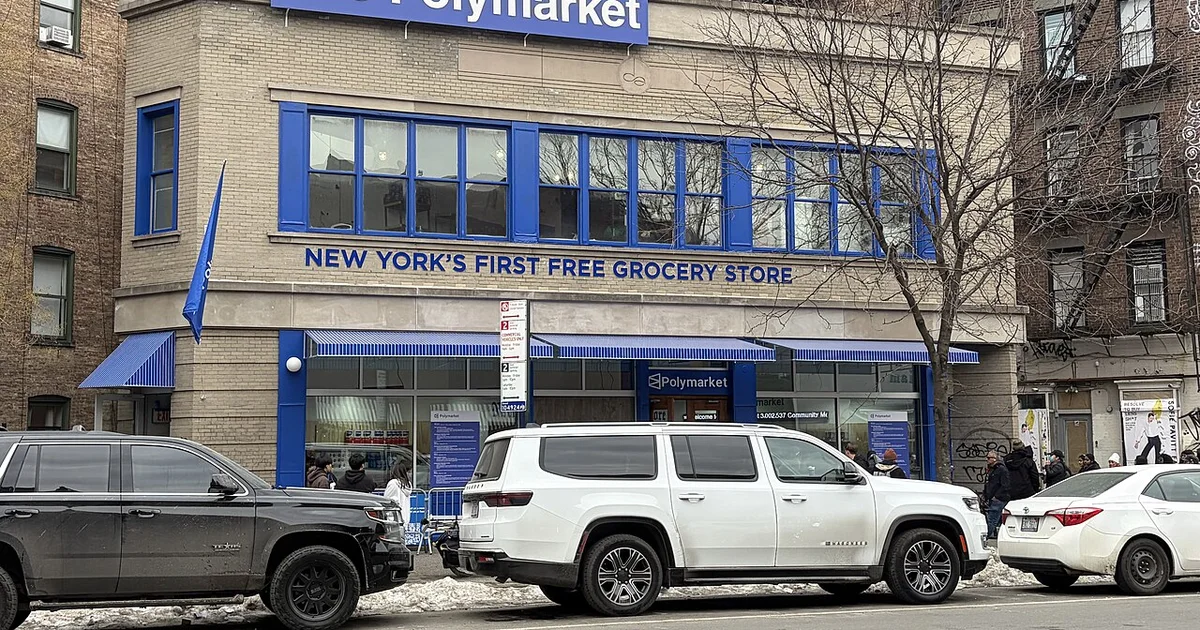
The U.S. Commodity Futures Trading Commission has advanced a formal effort to secure exclusive authority over prediction markets by issuing an interim final rule and proposing changes to classify event contracts as swaps. The moves arrive as the agency faces lawsuits from multiple states regarding sports betting oversight on platforms like Kalshi and Polymarket, with the broader dispute currently before the U.S. Supreme Court.
Key points
- The CFTC issued an interim final rule defining sports wagering that does not fall under swaps and proposed a related rule to fold event contracts into federal swaps regulation.
- Companies like Kalshi support establishing the CFTC as their sole regulatory watchdog.
- Several states are in lawsuits with the regulator, arguing they have authority over sports betting on prediction platforms.
- Mike Selig is currently serving as the lone commissioner on the CFTC, enabling him to make unilateral policy decisions.
What Happened
The U.S. Commodity Futures Trading Commission enacted a new definition on Friday through an interim final rule while proposing additional changes aimed at securing the legal footing of event contracts as swaps under federal authority. According to the agency, casino-style gambling is excluded from the swap definition, while event contracts covering sports, politics, culture, and weather are placed within the CFTC's jurisdiction.
Who Said What
Jaret Seiberg, a policy analyst at TD Cowen, wrote in a note to clients that the interim final rule is designed to strengthen the agency's position in court against states arguing that the CFTC's swap definition would make state and tribal casino wagers federally illegal. Meanwhile, multiple states have submitted views to the U.S. Supreme Court and accused prediction platforms of operating illegal gambling.
Context
The regulatory actions follow a swift review process submitted for White House approval less than two weeks prior. The CFTC is embroiled in lawsuits with several states over sports betting oversight on prediction platforms such as Kalshi and Polymarket. Federal appellate court decisions on the matter have gone both ways, leaving the U.S. Supreme Court asked to resolve the jurisdictional conflict. Chairman Mike Selig currently operates as the sole commissioner on the five-member agency, granting him unilateral decision-making authority as President Donald Trump has left other seats vacant.
What Happens Next
The interim final rule takes effect immediately as policy while remaining open for public input during implementation. The related rule proposal to fold event contracts into existing U.S. swaps regulation has entered a 30-day comment period.
Why it matters
The CFTC's regulatory push directly impacts whether federal oversight or state-level regulators will control fast-growing prediction markets and event-contract platforms, setting up a high-stakes legal battle before the U.S. Supreme Court.