Three candidates vie to succeed Husein Kavazovic as Grand Mufti of Bosnia and Herzegovina
Three candidates are competing to become the next Grand Mufti, or reis-ul-ulema, of Bosnia and Herzegovina as current leader Husein Kavazovic steps down following two seven-year terms. The election for the head of the country's Islamic community draws attention across Europe due to the unique institutional organization of Bosnian Islam and its potential model for integration and democratic self-organization.
Key points
- Three candidates are competing for the position of Grand Mufti: Salem Dedovic, Nedzad Grabus, and Mensur Malkic.
- Current Grand Mufti Husein Kavazovic is ineligible to run after completing two seven-year terms.
- The Islamic Community of Bosnia and Herzegovina operates independently from the state with its own parliament and constitutional court.
- Observers note that the election's importance extends across Europe, offering a potential model for institutionalized Islam in a democratic society.
What happened
Three candidates are competing to become the next reis-ul-ulema, or Grand Mufti, of Bosnia and Herzegovina. The current Grand Mufti, Husein Kavazovic, has served two seven-year terms and is no longer permitted to run.
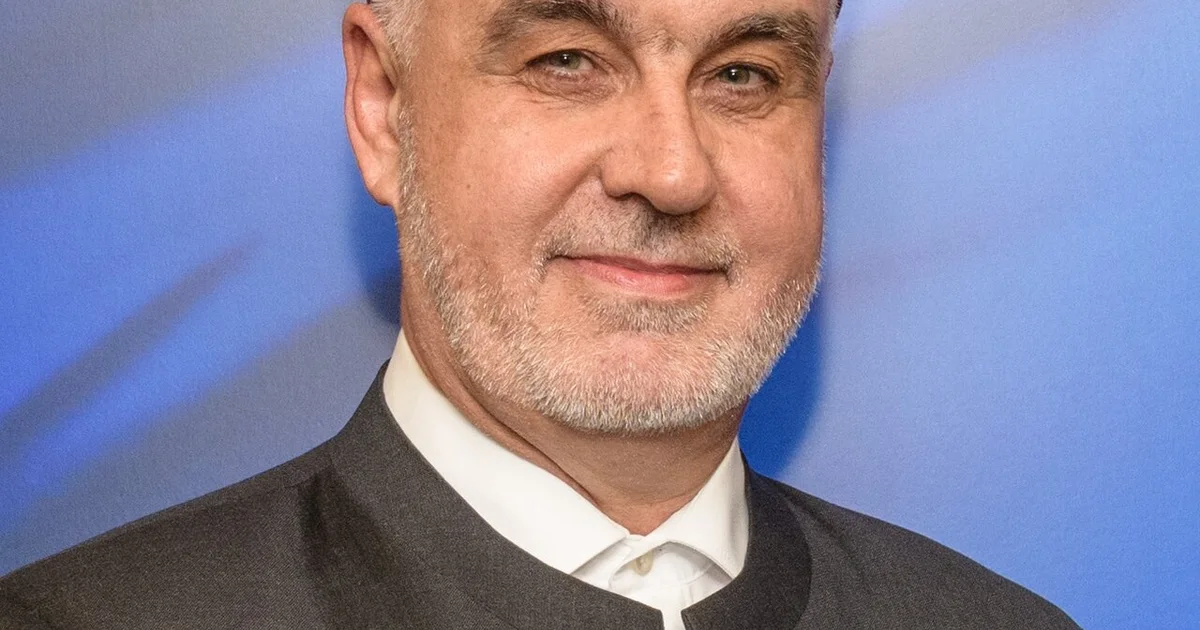
The three contenders for the position are Salem Dedovic, the Mufti of Mostar; Nedzad Grabus, the Mufti of Sarajevo; and Mensur Malkic, head of the Directorate for Religious Affairs and the Grand Mufti's envoy.
Context
The Islamic Community of Bosnia and Herzegovina is independent from the state and financed through donations, membership fees, and zakat. It features its own parliament, known as the Sabor, and a constitutional court. Established during Austro-Hungarian rule in the late nineteenth century, the community has adapted to multiple political regimes over the past one hundred fifty years.
Scholars and community leaders suggest that the independent, democratic organization of Bosnian Islam could serve as a model for Muslims elsewhere in Europe, particularly as communities navigate secularization, globalization, and rising anti-Muslim sentiment.
What's next
The newly elected Grand Mufti will assume leadership during a challenging period marked by fragile statehood in Bosnia and Herzegovina, international political influences, and increasing levels of Islamophobia across Europe. Observers expect the incoming leader to actively engage in broader social debates regarding Islam in Europe.
Why it matters
The election of the Grand Mufti of Bosnia and Herzegovina carries significance beyond the country's borders because the Islamic Community represents a historically rooted model of European Islam that successfully integrates religious identity with democratic, pluralistic values.
What we know
- Husein Kavazovic has served two seven-year terms as Grand Mufti of Bosnia and Herzegovina.
- Salem Dedovic, Nedzad Grabus, and Mensur Malkic are the three candidates running for the succession.
- The Islamic Community of Bosnia and Herzegovina is independent of the state and relies on donations, membership fees, and zakat for funding.