Research Links 19th-Century Manchester Elite to Transatlantic Slavery
The Global Threads public history project has published research detailing how prominent 19th-century Manchester figures, including those involved in the Peterloo massacre, derived power and wealth from transatlantic slavery. The study examines the business interests of Hugh Hornby Birley and Sir George Philips, demonstrating that their fortunes were tied to plantation economies in the Caribbean. The research highlights how these elite figures utilized colonial-style coercion, drawing parallels between the treatment of enslaved Africans and the struggles of disenfranchised cotton workers in Manchester.
Key points
- Global Threads research connects 19th-century Manchester business elites to the transatlantic slave trade.
- Hugh Hornby Birley, who led the charge at the Peterloo massacre, had family business ties to an enslaver who trafficked over 27,000 Africans.
- Sir George Philips, a founder of the Manchester Guardian, owned the Success plantation in Jamaica.
- Abolitionist Robert Wedderburn argued that Manchester workers and enslaved Africans were exploited by the same elite systems.
- The study suggests slavery influenced the political and economic environment of 19th-century Manchester.
What happened
A public history project titled Global Threads has released findings documenting the financial and social links between Manchester's 19th-century business elite and the transatlantic slave trade. The research focuses on the connections between the city's industrial leaders and the plantation economy in the Caribbean, arguing that these systems of exploitation were deeply intertwined.
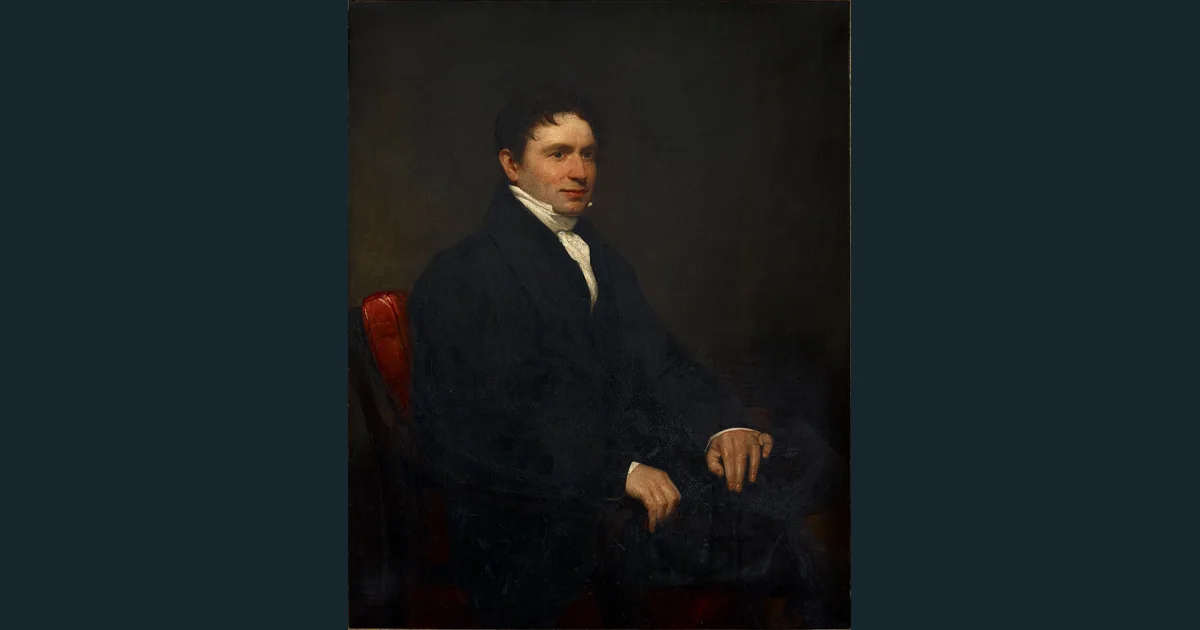
The study specifically highlights the backgrounds of Hugh Hornby Birley, the commander of the yeomanry during the 1819 Peterloo massacre, and Sir George Philips, a liberal politician and funder of the Manchester Guardian. Both men were members of the Portico Library, a hub for the city's business elite.
Context
The research draws on the perspective of Robert Wedderburn, a Black abolitionist who lived during the era of the Peterloo massacre. Wedderburn, who was born in Jamaica to an enslaved mother and a plantation owner, argued that the oligarchy denying rights to Manchester workers was the same group imposing violence and coercion on enslaved Africans.
According to the study, Birley's family business benefited from the estate of Daniel Backhouse, an enslaver involved in the trafficking of more than 27,000 Africans. Additionally, Sir George Philips was identified as the owner of the Success plantation in Jamaica, which relied on enslaved labor. The project notes that these figures helped shape Manchester's institutions, including the Liverpool and Manchester Railway, which was designed to facilitate the transport of slave-produced cotton.
Why it matters
This research provides a documented link between the industrial development of 19th-century Manchester and the transatlantic slave trade, challenging historical narratives that separate the struggles of the British working class from the broader colonial economy.
What we know
- The Global Threads project is a public history initiative examining the history of the Portico Library and its members.