Nobel Laureate Navi Pillay Denounces New US Sanctions on International Criminal Court
Following her selection as the 2026 Nobel Peace Prize laureate, former ICC judge Navi Pillay has publicly criticized the United States for imposing new, sweeping sanctions on the International Criminal Court. The US administration, led by President Donald Trump, claims the court threatens American sovereignty and has moved to inhibit its financial operations. The ICC and international leaders have condemned the move as an assault on the rule of law, while the US has implemented a six-month grace period for certain transactions to allow for potential negotiations.
NewsRadar AI DeskPublished Oct 11, 2026, 4:51 PM UTCUpdated Oct 11, 2026, 4:51 PM UTC · 0 updates
1 source 4 min read 0 views
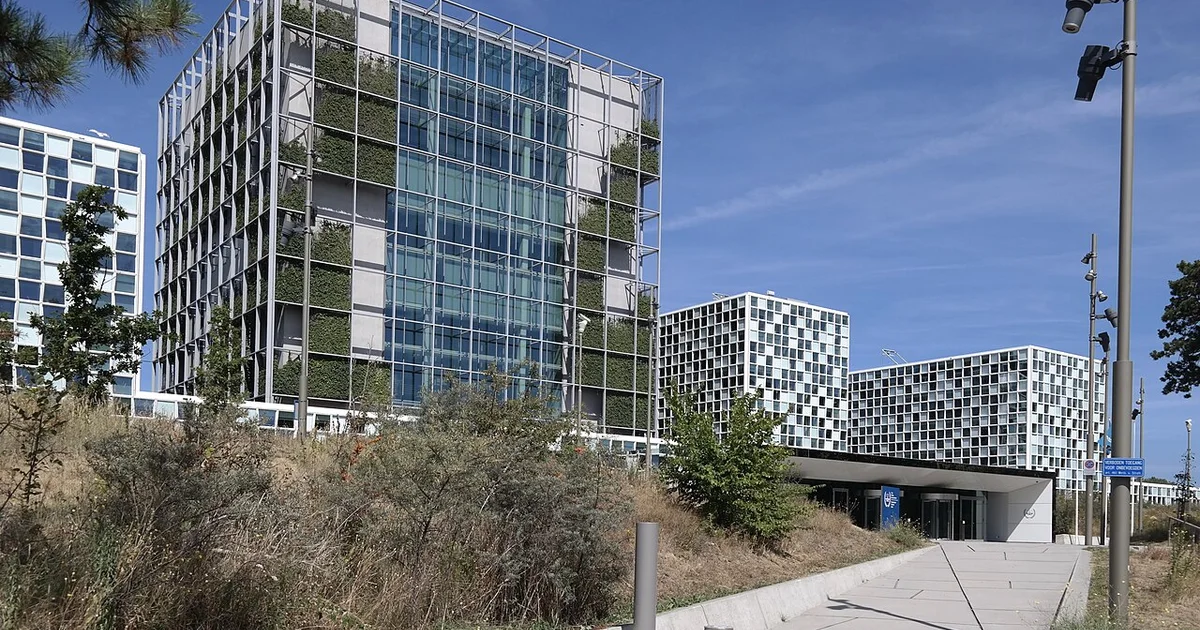
Related archive image: International Criminal Court 2022.jpg. Not a photograph of this news event. Cropped to fit.
King Khalid International Airport in Riyadh was evacuated following a loud blast heard on Saturday, with reports of injuries amid an escalation of Houthi rebel attacks. Saudi authorities have not officially commented on the blast, but western embassies have issued warnings and multiple airlines have suspended or diverted flights.
Navi Pillay, the 2026 Nobel Peace Prize winner, labeled US sanctions on the ICC as unheard of and unacceptable.
The US government unveiled new sanctions targeting the ICC as an institution to restrict its financial operations.
US Secretary of State Marco Rubio stated the sanctions aim to defend US sovereignty.
The ICC, UN Secretary General Antonio Guterres, and several nations have criticized the US decision.
A six-month grace period has been provided by the US for certain financial transactions with the court.
What happened
Navi Pillay, a former ICC judge and the 2026 Nobel Peace Prize laureate, has condemned the United States for imposing new sanctions on the International Criminal Court. Speaking from Oslo, Pillay described the sanctions as an unprecedented attack on the judicial independence of the court.
The US administration announced the measures shortly after the Nobel committee named Pillay the prize winner. President Donald Trump expressed strong disapproval of the committee's choice, while the State Department moved to sanction the court as an institution, building upon previous measures that targeted individual judges and officials.
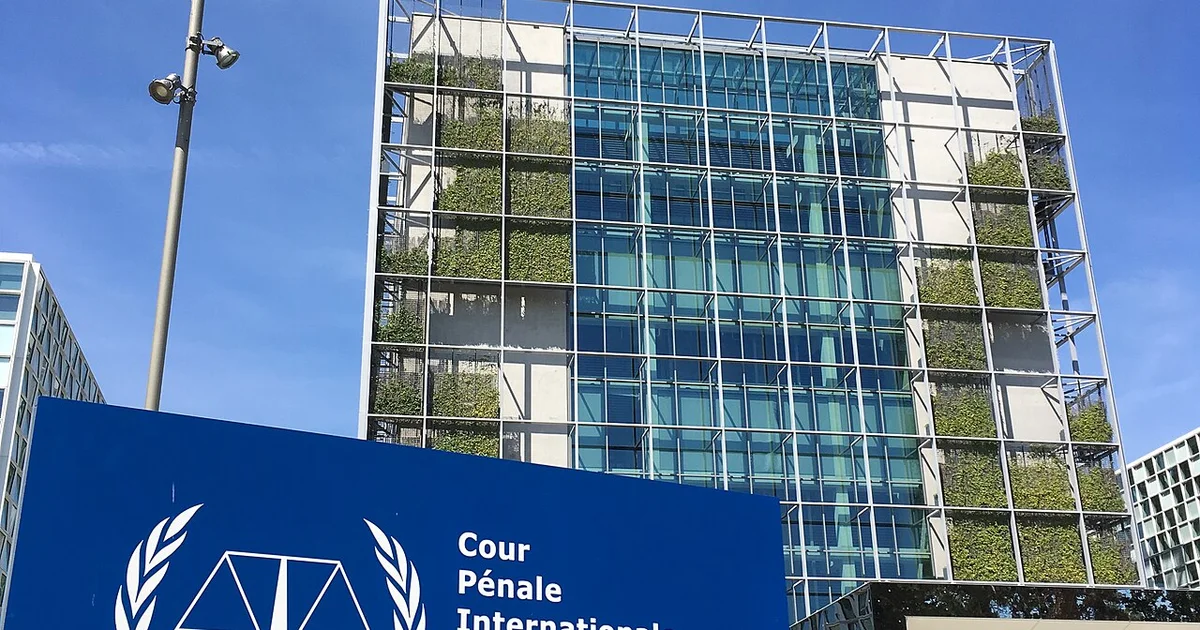
Context for International Criminal Court. Related archive image: International Criminal Court 2018.jpg. Not a photograph of this news event. Cropped to fit. Credit: justflix. Image source · Image licence
Who said what
Navi Pillay stated that sanctions against judges for their judicial orders are "unheard of" and "unacceptable." She further noted the anxiety surrounding the future of international courts.
US Secretary of State Marco Rubio defended the policy, asserting the sanctions are intended to "defend US sovereignty" and accused the court of attempting to prosecute American citizens.
UN Secretary General Antonio Guterres characterized the US decision as "a serious blow to our collective pursuit of international criminal justice." Meanwhile, a coalition of countries including the UK, Germany, France, and Japan expressed their regret and disagreement with the US action.
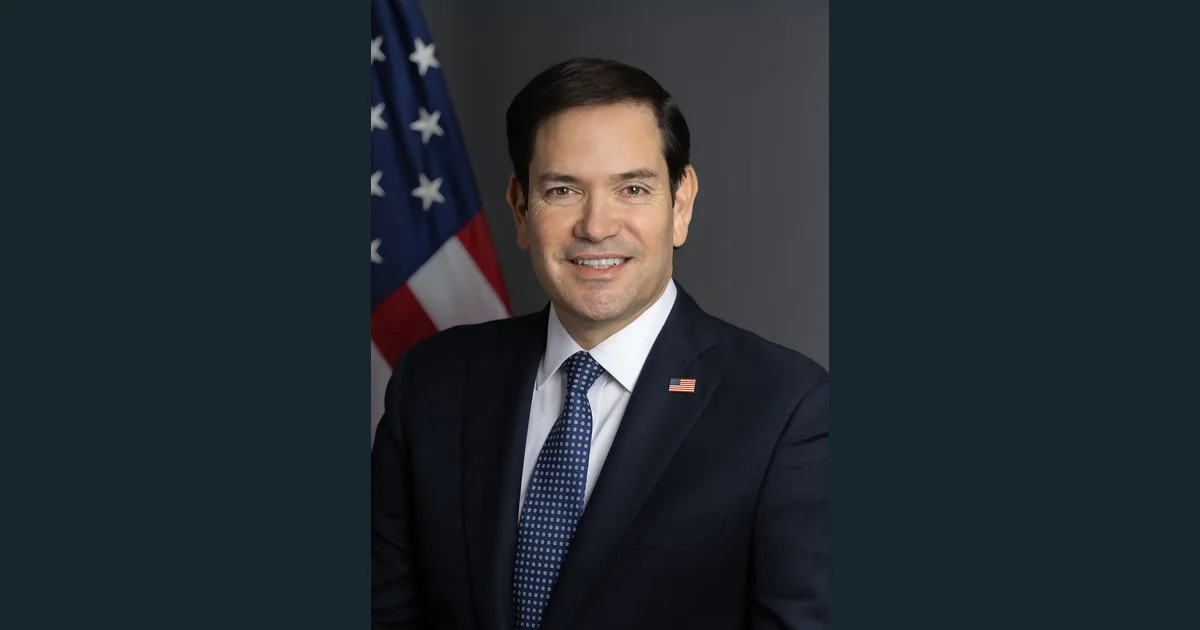
Context for Marco Rubio. Related archive image: Official portrait of Secretary Marco Rubio.jpg. Not a photograph of this news event. Resized with padding to preserve the full portrait. Credit: U.S. Department of State. Image source · Image licence
Context
The US administration has long expressed hostility toward the ICC, citing concerns over investigations into US military actions in Afghanistan and arrest warrants issued for Israeli officials. The current sanctions are designed to inhibit the court's ability to operate financially.
Despite the aggressive stance, the US has included a six-month grace period for some sanctions, which Washington officials suggest provides an opportunity for member states to negotiate a solution regarding US concerns.
What happens next
The six-month grace period allows member states to continue funding the ICC's operations temporarily. It remains unclear if any negotiations will take place between the US and the international community to address the concerns raised by the Trump administration regarding the court's jurisdiction and institutional focus.
THE BIGGER PICTURE
Why it matters
The imposition of sanctions on the ICC by the United States represents a significant escalation in the tension between the world's leading superpower and the primary international body for prosecuting war crimes and crimes against humanity, potentially undermining the global legal order.
What we know
Navi Pillay was awarded the 2026 Nobel Peace Prize.
The United States government has imposed new sanctions on the International Criminal Court.
The US has provided a six-month grace period for certain financial transactions with the ICC.
US Secretary of State Marco Rubio stated the sanctions are intended to defend US sovereignty.
The ICC and UN Secretary General Antonio Guterres have publicly criticized the US sanctions.
What remains unclear
The outcome of potential negotiations during the six-month grace period remains unknown.
The long-term impact of the sanctions on the ICC's financial viability is not yet established.
How the story developed
US imposes sanctions on ICC
The US government unveiled new sanctions against the International Criminal Court, following the announcement of Navi Pillay as the 2026 Nobel Peace Prize winner.
According to Deutsche Welle, the administration of US President Donald Trump has imposed sanctions on the International Criminal Court. The announcement came hours after former ICC judge Navi Pillay was awarded the 2026 Nobel Peace Prize. US Secretary of State Marco Rubio stated the move is part of a broader campaign to dismantle the court, citing jurisdictional concerns regarding US citizens and allies.
A mass shooting at a residence in Erie, Pennsylvania, resulted in the deaths of nine individuals, including the suspected gunman who police believe died by suicide. The victims included seven relatives and a family friend, among them a pregnant woman and two children. Authorities were alerted to the scene on Friday evening following reports of gunfire. While the investigation is ongoing, police have stated it is premature to determine a motive, though they noted mental health may have been a factor.
Okinawa Governor Koja Genta has lodged a formal written protest with Japanese Prime Minister Takaichi Sanae and Chief Cabinet Secretary Kihara Minou following the arrest of a U.S. Marine on suspicion of murdering an Okinawan woman named Anna Yagi. The incident revives long-standing tensions over the U.S. military presence in Okinawa, coming shortly after Koja took office following an election focused heavily on base relocations and regional security concerns.
· 1 source 4 min read 0 views
Navi Pillay Criticizes US Sanctions on International Criminal Court