Ken Paxton's Taxpayer-Funded Travel Security Cost Millions with Few Documented Business Trips
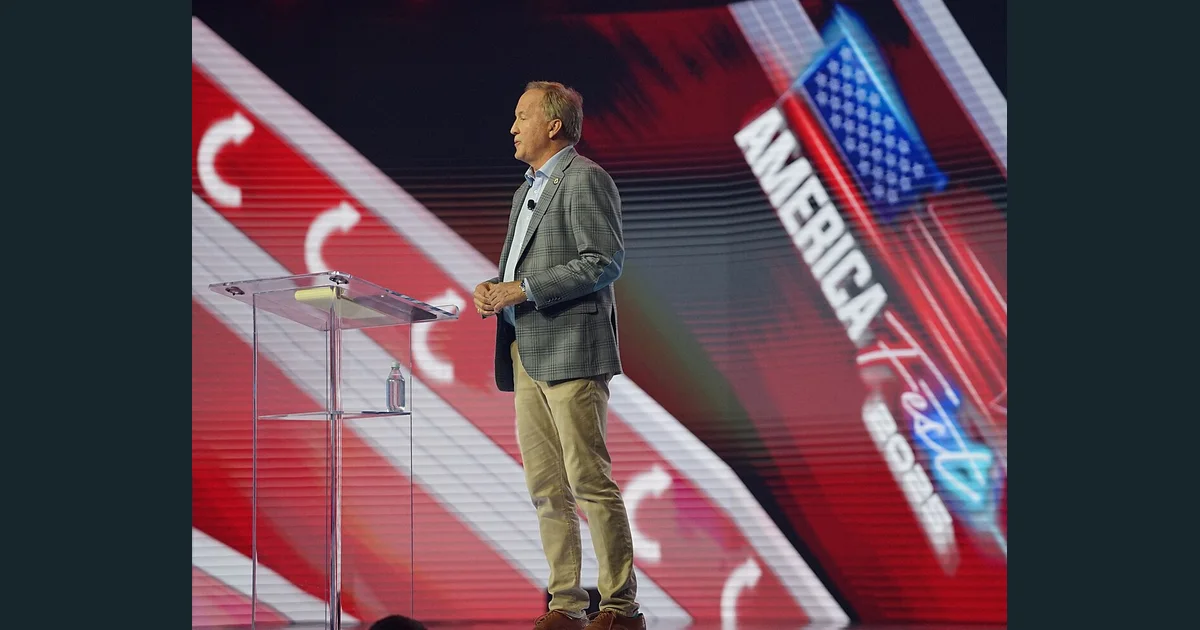
An investigative report by ProPublica and The Texas Tribune has revealed that Texas Attorney General Ken Paxton has taken nearly 1,000 trips with a state-funded security detail since 2015, costing taxpayers 3.3 million dollars. The review found that records could only connect 138 of those trips to state business, meaning just 1 in 6 trips had a listed business purpose. Paxton's office defended the security expenses by pointing to security threats stemming from his work against cartels and violent criminals.

Key points
- Texas Attorney General Ken Paxton took nearly 1,000 trips with a state-funded security detail since 2015, costing $3.3 million.
- ProPublica and The Texas Tribune found that only 138 trips, or roughly 1 in 6, had a documented business purpose.
- Records showed out-of-state travel to destinations where Paxton or his family trust own properties, including Utah, Hawaii, and Florida.
- Paxton's office attributed the travel security to threats resulting from his work fighting cartels and violent criminals.
What Happened
A joint investigation by ProPublica and The Texas Tribune has disclosed that Texas Attorney General Ken Paxton has taken nearly 1,000 out-of-state and international trips accompanied by a state police security detail since assuming office in 2015. The total security costs for these travels reached $3.3 million.
According to the newsrooms' analysis of travel logs, receipts, and daily calendars obtained via the state's Public Information Act, only 138 of those trips—representing about 1 in 6—and $553,000 in security costs could be connected to state business. Records detailing the purpose of visits to 36 states and 19 countries largely do not exist in most cases.
Who Said What
Ken Paxton's office defended the security arrangements in a statement, noting that he has faced numerous security threats as a result of his work fighting cartels and dangerous violent criminals. Neither Paxton nor his office provided additional records when asked to clarify whether undocumented trips were personal.
Ethics experts and former officials criticized the spending. Chris Toth, former executive director of the National Association of Attorneys General, described the situation as ethically and morally problematic, questioning whether a legitimate security function had become a taxpayer-funded subsidy. Richard Briffault, a professor at Columbia Law School, argued that taxpayers should not pay for travel where there is no benefit to the state.