Ukraine Blindsided as U.S. Lifts Sanctions on Russian Diesel Exports Amid Energy Talks
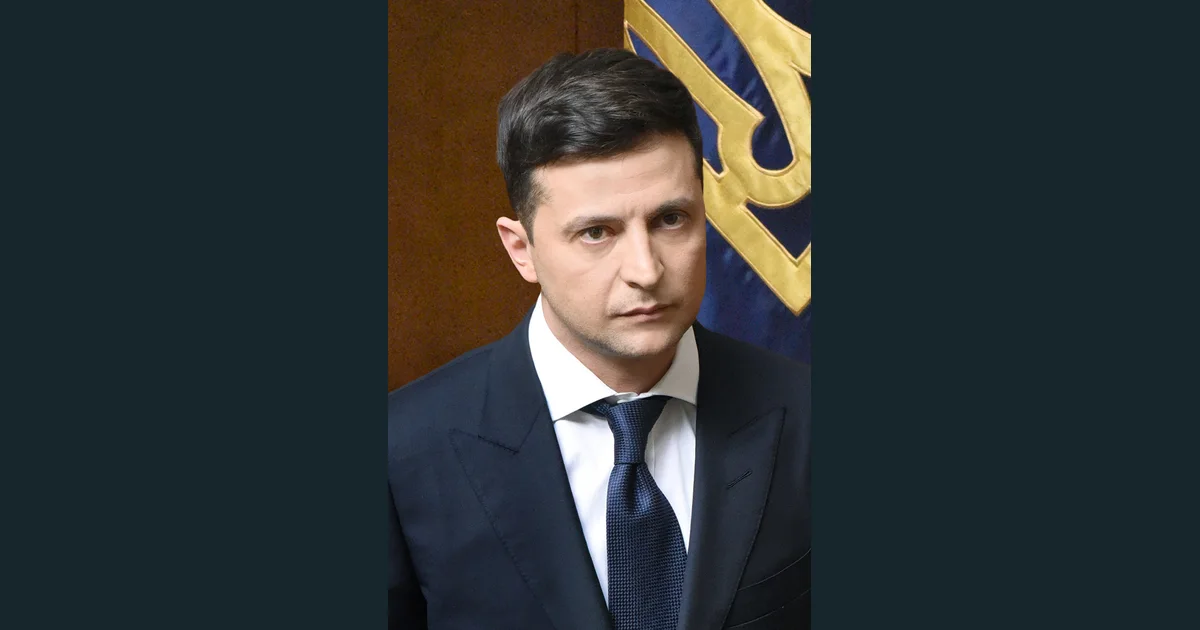
Ukrainian officials reported that they were blindsided during negotiations in Washington on October 9 when the U.S. announced a temporary general license lifting sanctions on Russian diesel exports. The U.S. Treasury Department's Office of Foreign Assets Control issued the waiver, which is set to expire on April 7. Ukrainian President Volodymyr Zelensky criticized the decision as a move that provides Moscow with fresh revenue for its war effort, while Ukrainian negotiators alleged that U.S. envoys pressured Kyiv to halt strikes on Russian energy infrastructure without a reciprocal commitment from Moscow.
Key points
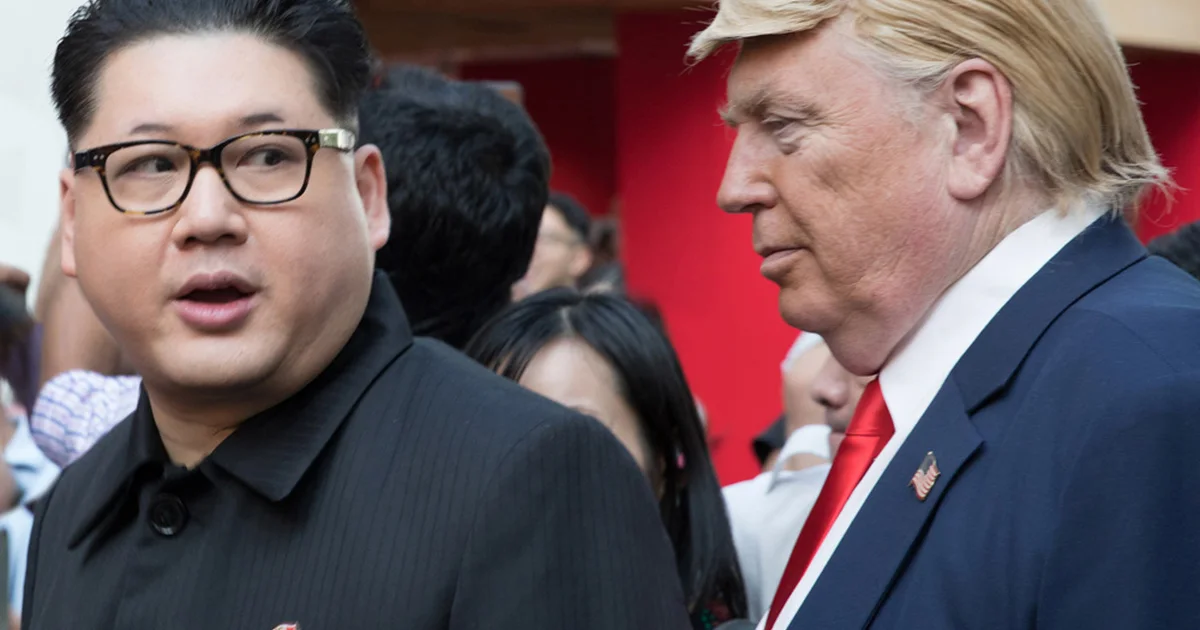
- U.S. President Donald Trump announced that Russia would supply millions of tons of diesel fuel to global markets following a call with Russian President Vladimir Putin.
- The U.S. Treasury Department issued a temporary general license permitting the supply of Russian diesel to the global market until April 7.
- Ukrainian delegates participating in energy ceasefire talks in Washington on October 9 stated they were given no advance notice of the decision.
- Ukrainian officials alleged that U.S. negotiators threatened to cut off intelligence sharing if Kyiv continued its attacks on Russian oil refineries.
What Happened
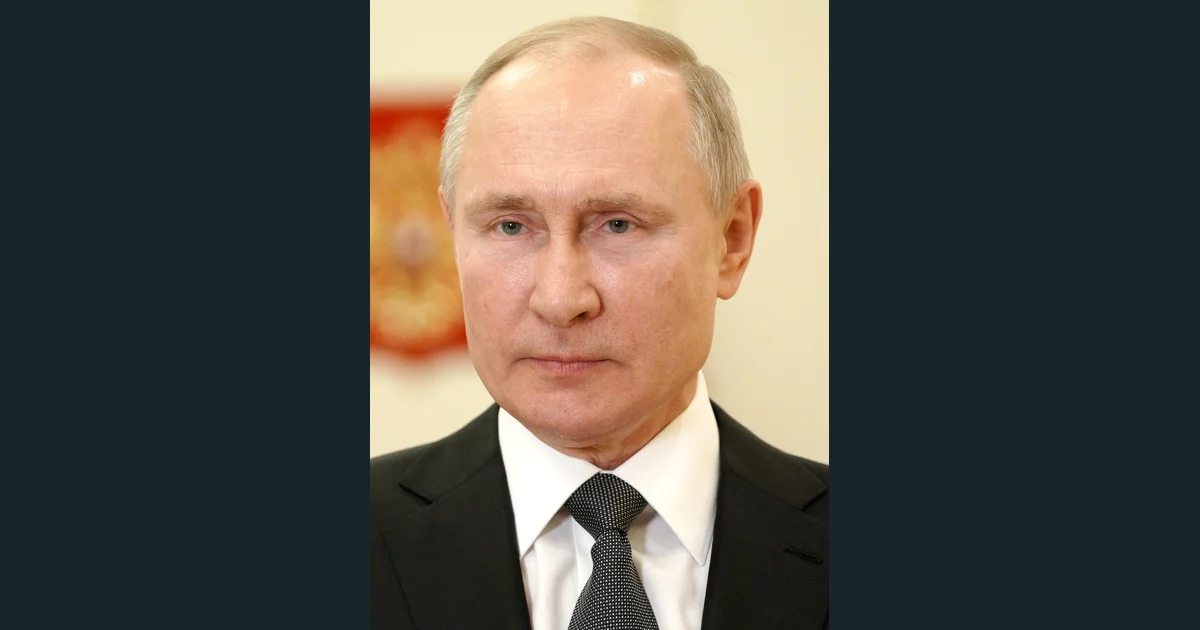
During scheduled energy ceasefire talks in Washington on October 9, a Ukrainian delegation was blindsided when the United States announced a decision to lift sanctions on Russian diesel exports. U.S. President Donald Trump stated that Russia would supply millions of tons of diesel fuel to U.S. and global markets following a phone call with Russian President Vladimir Putin. Prompted by this direction, the U.S. Treasury Department's Office of Foreign Assets Control immediately issued a temporary general license valid until April 7 to allow the supply of Russian diesel to the global market.
Who Said What
Ukrainian officials expressed strong condemnation of the decision. President Volodymyr Zelensky stated in a voice message that allowing Russia to export diesel gives Moscow additional revenue to sustain its war, calling the move a weak decision by strong partners and describing the Ukrainian delegation's presence at the talks as being used as a smokescreen.
According to the Kyiv Independent, multiple Ukrainian officials speaking on condition of anonymity reported that U.S. negotiators framed Kyiv as responsible for the impasse due to its refusal to halt strikes on Russian oil refineries, and allegedly threatened to cut off intelligence sharing that aids Ukrainian targeting.