Amicus Briefs Urge Supreme Court to Take Up Sports Prediction Markets Dispute
A broad coalition of parties, including 39 states, the District of Columbia, 145 tribal nations, the National Football League, former Senator Chris Dodd, and former CFTC Chair Gary Gensler, filed amicus briefs urging the Supreme Court of the United States to take up a case determining whether sports-based prediction market contracts qualify as swaps under federal law or should be regulated as state-level gambling. Meanwhile, the Commodity Futures Trading Commission issued two proposals regarding its interpretation of swaps.
Key points
- Amicus briefs were filed urging the Supreme Court to hear a case on sports prediction markets.
- Filers argue that sports-based prediction market products are not swaps and should be regulated by states.
- A circuit court split exists, with two appellate courts ruling prediction markets touching sports are gambling products, and one ruling it is a CFTC issue.
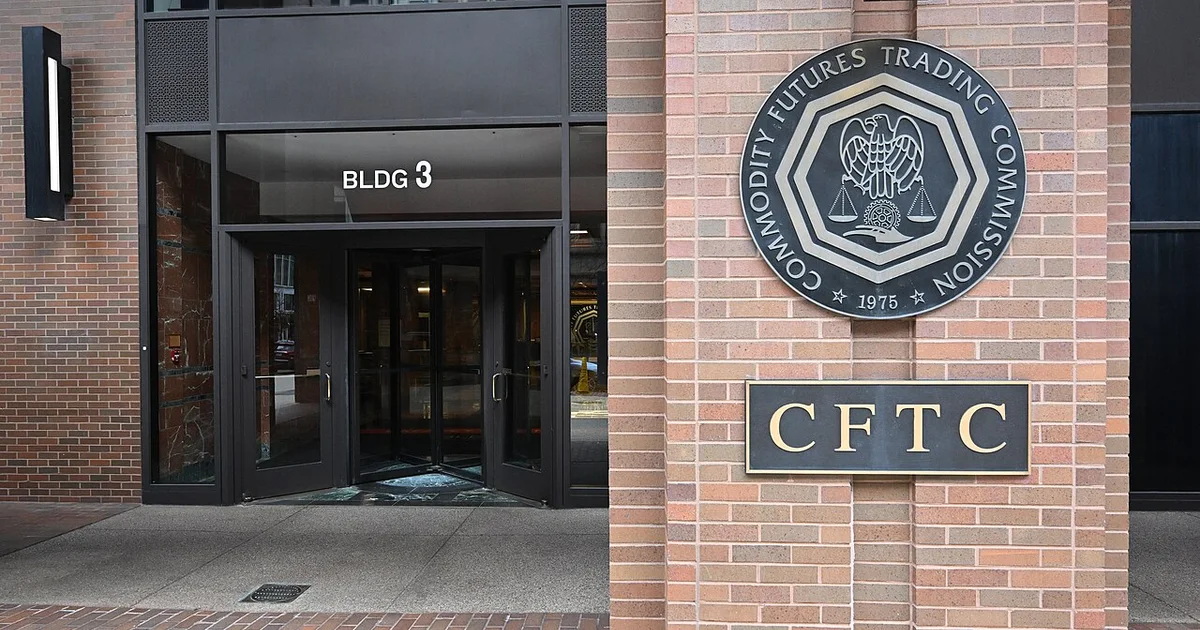
- The CFTC issued an interim final rule and a separate proposal on how event contracts fit into the definition of a swap.
What Happened
Numerous parties filed amicus briefs urging the Supreme Court of the United States to take up a legal case concerning whether sports-based prediction market contracts are swaps or state-regulated gambling products. Simultaneously, the Commodity Futures Trading Commission (CFTC) released two proposals outlining its perspective on the regulatory framework.
The filings come amid a major circuit court split, where two appellate courts have ruled that sports-related prediction markets are gambling products subject to state regulation, while one appellate court ruled it falls under CFTC jurisdiction.
Context
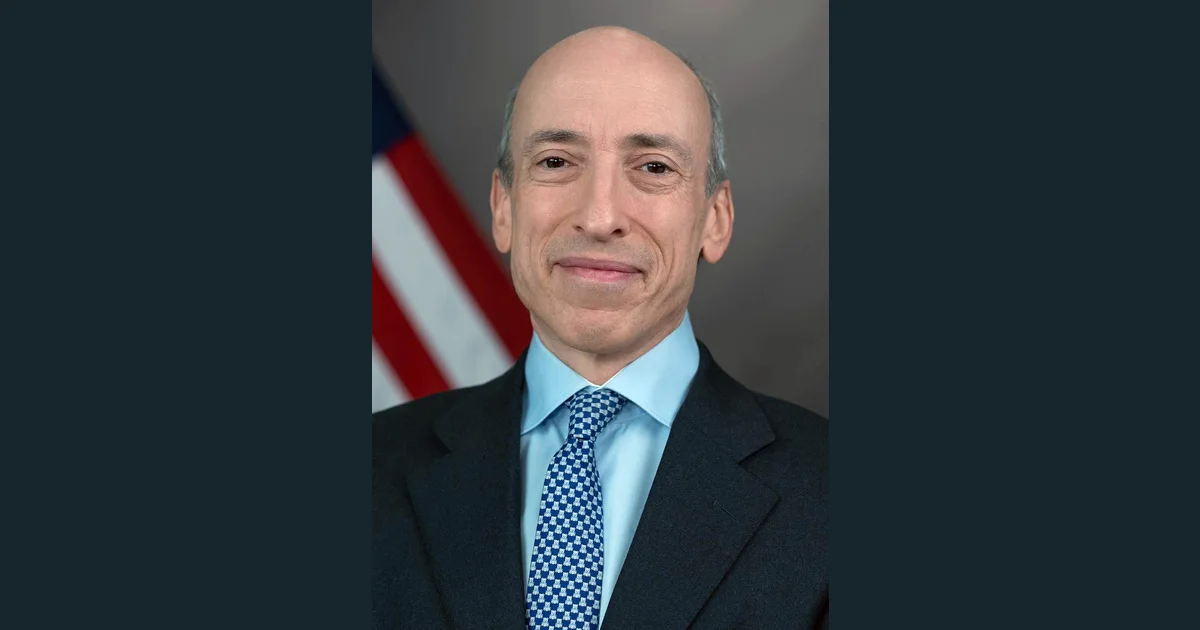
Former Senator Chris Dodd and former CFTC and SEC Chair Gary Gensler both filed briefs arguing that the 2010 Dodd-Frank Wall Street Reform and Consumer Protection Act was not intended to preempt state gambling laws or grant the CFTC authority to usurp state governments.
The National Football League also submitted a brief expressing concern over the CFTC's approach and pointing to a divergence between state regulation of gambling companies and CFTC regulation of designated contract markets. In addition, 39 states, the District of Columbia, and 145 tribal nations joined the filing effort.
On the regulatory front, the CFTC proposed an interim final rule and a separate proposal to clarify its interpretation of swaps, seeking to formally include sports, politics, cultural, and weather-related events as part of event contracts counted as swaps, while maintaining that casino-style gambling falls outside the definition.